Yellow oleander (Cascabela pinifolia)
Care, watering, light and tips for Yellow oleander on Floravia.
Quick facts
- Family: Apocynaceae
- Difficulty: Easy to care for
- Watering: every 7 days
- Light: Partial shade
- Temperature: 10–30 °C
- Toxicity: Toxic to pets
About Yellow oleander
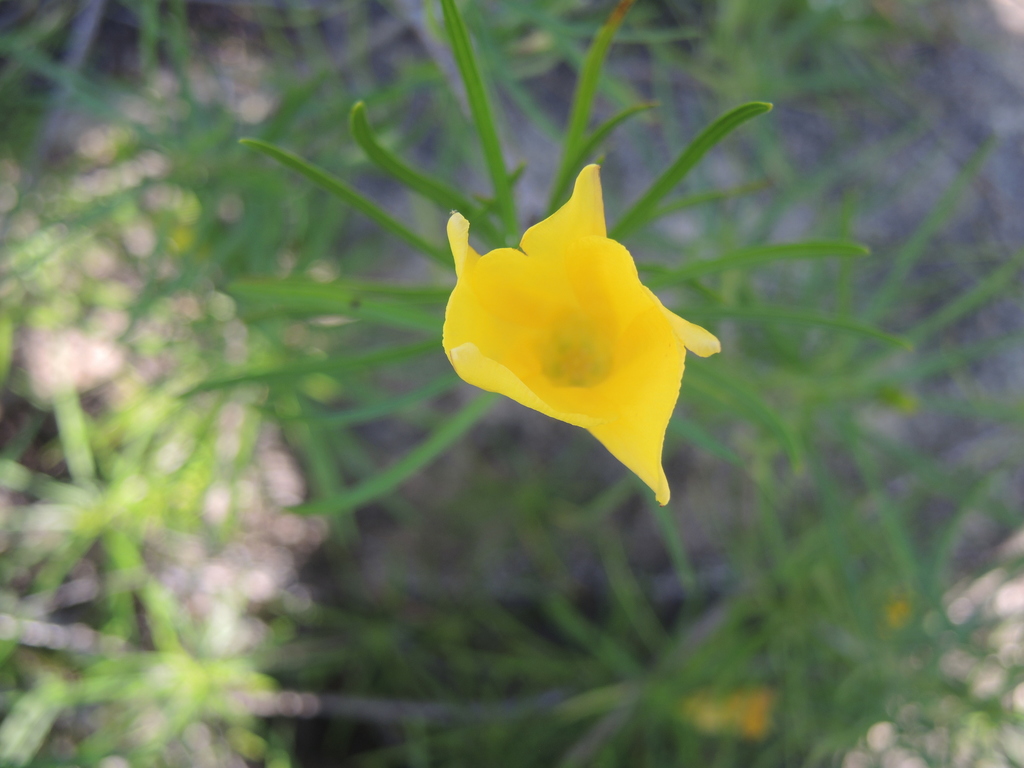
Cascabela pinifolia, commonly known as Yellow Oleander or Lucky Nut, is an evergreen shrub or small tree native to Mexico and Central America. It is notable for its bright, trumpet-shaped yellow flowers that bloom for much of the year, and its narrow, elongated leaves resembling pine needles. This plant is an excellent choice for subtropical or Mediterranean gardens, either as a standalone specimen or in informal hedges, adding a vibrant and exotic touch.
Native range
North Africa and Southwest Europe
Care tips
It prefers full sun exposure for abundant flowering, though it tolerates light partial shade. Watering should be moderate, allowing the substrate to dry out slightly between waterings, and reduced in winter. It thrives in well-drained, fertile, and slightly acidic soils. It is crucial to remember that all parts of this plant are toxic if ingested, so it must be handled with caution, especially around children and pets.
How to save a dying Yellow oleander
- Warning signs
- Yellowing or browning, wilting leaves; leaf drop; soft or dry stems.
- First aid
- Check watering, ensure good drainage and adequate sun exposure (full sun). Prune dead parts.
- What kills it
- Overwatering (root rot) or too much shade (no blooms, weakens).
- Can it be saved?
- Yes, if you act fast. It's quite resilient if conditions are corrected.