Lucky nut (Cascabela thevetioides)
Care, watering, light and tips for Lucky nut on Floravia.
Quick facts
- Family: Apocynaceae
- Difficulty: Demanding
- Watering: every 7 days
- Light: Partial shade
- Temperature: 10–30 °C
- Toxicity: Toxic to pets
About Lucky nut
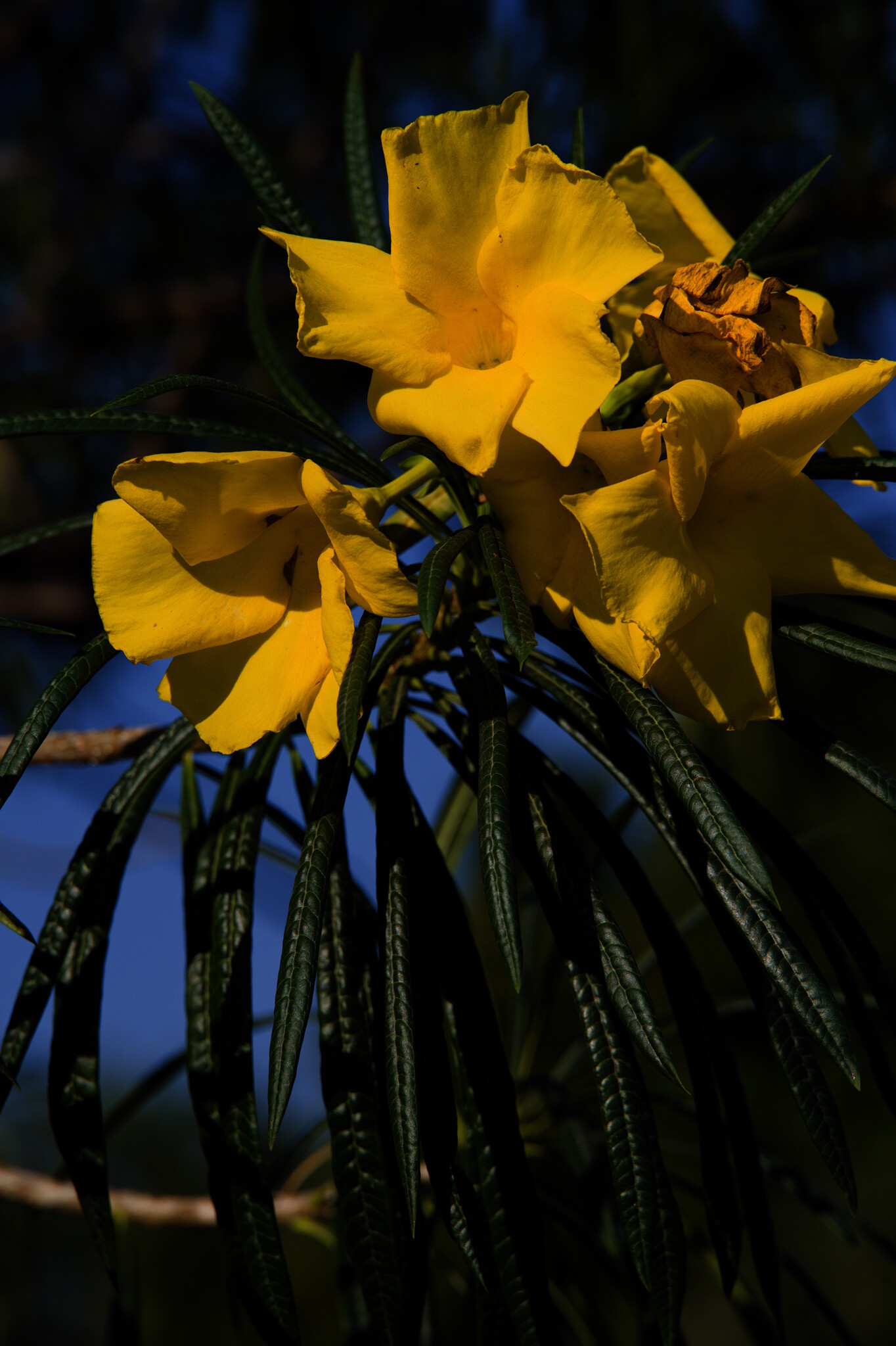
Cascabela thevetioides, commonly known as Lucky Nut or Yellow Oleander, is a small tree or shrub from the Apocynaceae family, native to Mexico and Central America. It is notable for its attractive funnel-shaped yellow flowers and glossy green foliage, giving it a tropical appearance. It is ideal for xeriscape gardens, as a specimen plant, or in hedges, adding an exotic touch and color to arid landscapes.
Native range
Mexico and Central America
Care tips
It requires full sun exposure for optimal flowering, although it tolerates some partial shade. It is a drought-tolerant plant once established, so watering should be moderate, allowing the substrate to dry out completely between waterings. It prefers well-drained soils, even poor or sandy ones; a common mistake is overwatering, which can lead to root rot. Please note that all parts of the plant are toxic if ingested, so it should be handled with caution and kept out of reach of children and pets.
How to save a dying Lucky nut
- Warning signs
- Yellowing or drooping leaves. Soft or dry stems. Lack of flowering.
- First aid
- Check watering (over or under). Move to partial shade if strong direct sun. Inspect for pests.
- What kills it
- Constant waterlogging. Prolonged frost exposure. Excessive pruning at the wrong time.
- Can it be saved?
- Yes, if you act quickly. It's quite resilient. Remove dead parts and adjust conditions.