Date-plum (Diospyros lotus)
Care, watering, light and tips for Date-plum on Floravia.
Quick facts
- Family: Ebenaceae
- Difficulty: Moderate care
- Watering: every 7 days
- Light: Partial shade
- Temperature: 10–30 °C
- Toxicity: Toxic to pets
About Date-plum
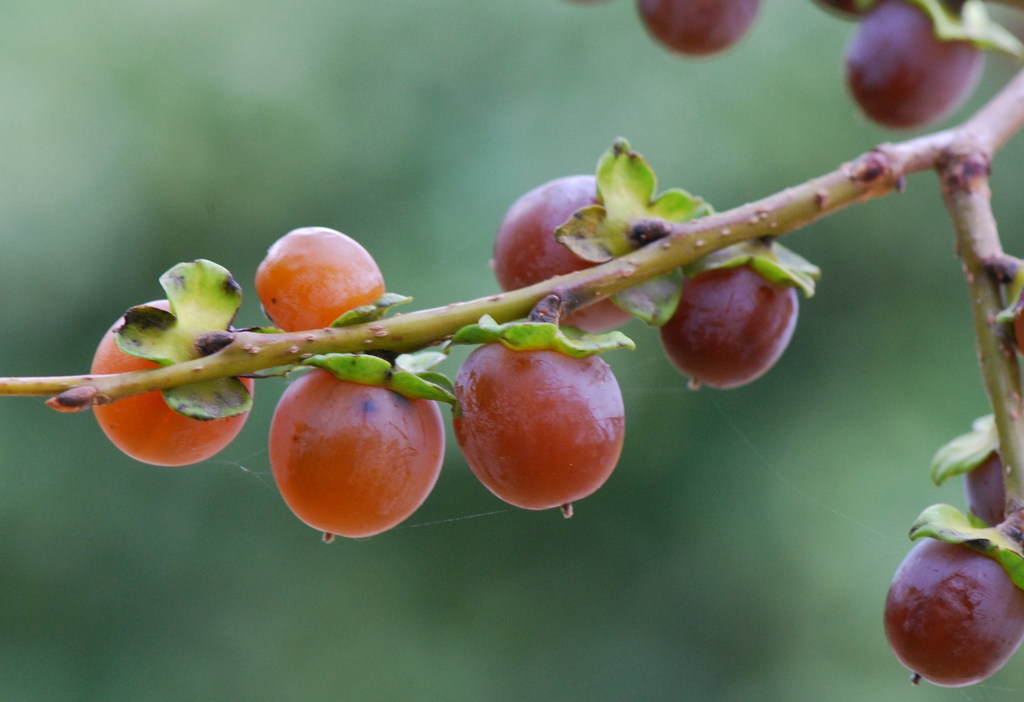
Diospyros lotus, also known as Date-plum or Caucasian persimmon, is a deciduous tree belonging to the Ebenaceae family, prized for its edible fruits and attractive autumn foliage. It grows to moderate heights and is distinguished by its oval, glossy leaves that turn yellow and reddish in autumn, and its small fruits that ripen to a purplish-black color. It is an excellent choice for large gardens, parks, or as an ornamental fruit tree in temperate climates, providing seasonal beauty and an interesting harvest.
Native range
Caucasus region, Southeast Europe, and Southwest Asia.
Care tips
It prefers full sun exposure for optimal fruiting, although it tolerates some partial shade. Watering should be regular during the first few years and in dry periods, ensuring well-drained soil, as it does not tolerate waterlogging. It adapts to a wide range of soils but prefers deep, fertile, and well-drained ones. A common mistake is planting it in very clayey and compacted soils, which can lead to root rot issues.
How to save a dying Date-plum
- Warning signs
- Wilted, yellowing, or premature leaf drop; stunted growth; dry branches.
- First aid
- Check soil moisture. If dry, water deeply. If waterlogged, aerate and drain. Place in partial shade.
- What kills it
- Overwatering (root asphyxia) or prolonged drought. Sensitive to sudden changes.
- Can it be saved?
- Yes, if roots aren't completely rotted or dry. Act quickly and patiently.