Fuller's teasel (Dipsacus sativus)
Care, watering, light and tips for Fuller's teasel on Floravia.
Quick facts
- Family: Caprifoliaceae
- Difficulty: Easy to care for
- Watering: every 7 days
- Light: Partial shade
- Temperature: 10–30 °C
About Fuller's teasel
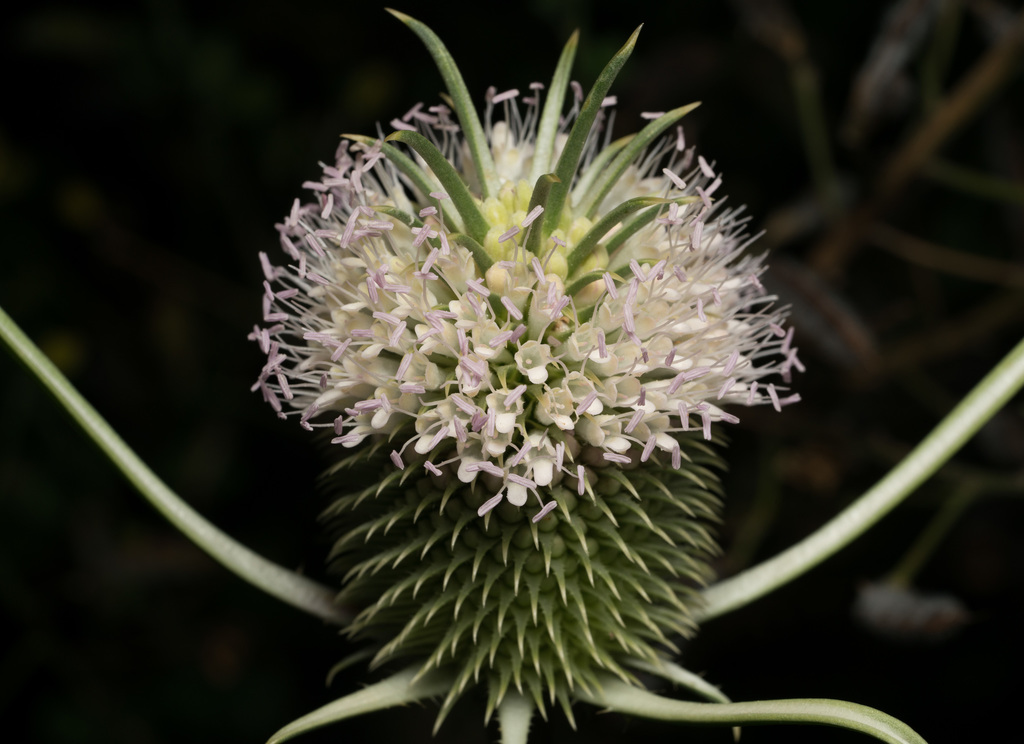
Dipsacus sativus, commonly known as Fuller's Teasel, is a robust biennial herbaceous plant, renowned for its spiky flower heads traditionally used for carding wool. It grows to impressive heights with erect stems and basal rosette leaves, creating an architectural focal point in naturalistic gardens, meadows, or along pathways. Its dried inflorescences are also highly valued in floral arrangements and decoration.
Native range
Europe and North Africa
Care tips
This plant thrives in full sun for optimal growth and abundant flowering. It is highly drought-tolerant once established, so watering should be moderate, allowing the soil to dry out between waterings. It prospers in well-drained soils, even poor or clayey ones, and does not require regular fertilization. A common mistake is attempting to grow it in dense shade, which will result in leggy growth and poor flowering.
How to save a dying Fuller's teasel
- Warning signs
- Wilting or yellow leaves, soft stems, lack of spines. Indicates water stress or excess humidity.
- First aid
- Check drainage. If soil is dry, water thoroughly; if waterlogged, repot into dry soil. Protect from direct sun.
- What kills it
- Constant waterlogging or prolonged extreme drought. Also lack of direct light or poor, acidic soils.
- Can it be saved?
- Yes, if you act quickly. It's hardy. Check roots: if not rotted, there's hope.