Etruscan honeysuckle (Lonicera etrusca)
Care, watering, light and tips for Etruscan honeysuckle on Floravia.
Quick facts
- Family: Caprifoliaceae
- Difficulty: Easy to care for
- Watering: every 7 days
- Light: Partial shade
- Temperature: 10–30 °C
- Toxicity: Toxic to pets
About Etruscan honeysuckle
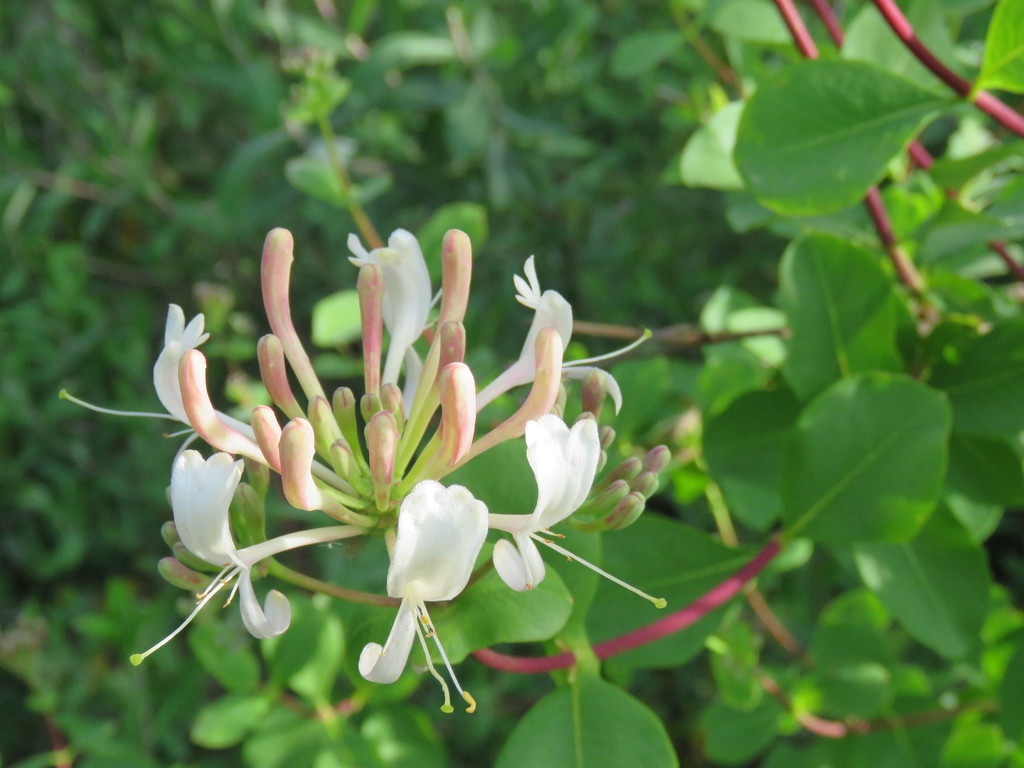
Lonicera etrusca, commonly known as Etruscan Honeysuckle, is a vigorous deciduous or semi-evergreen climber, valued for its fragrant, tubular cream to pale yellow flowers, often flushed with pink or red, blooming in spring and summer. These are followed by attractive red or orange berries, adding autumn interest. It's perfect for covering pergolas, fences, or walls, bringing a wild and aromatic touch to any garden.
Native range
Mediterranean region (Southern Europe, North Africa, and Western Asia)
Care tips
This plant thrives in full sun to partial shade, ensuring the base of the plant is shaded to keep the soil cool. Water regularly during the growing season, keeping the substrate moist but not waterlogged, and reduce watering in winter. It requires well-drained, fertile soil rich in organic matter; mulching at the base is beneficial. Avoid excessive pruning, as it flowers on old wood; only perform maintenance pruning to control its growth and remove damaged branches after flowering.
How to save a dying Etruscan honeysuckle
- Warning signs
- Yellowish or brown, wilted, dull leaves; stunted growth.
- First aid
- Check drainage and soil moisture. If dry, water deeply. If waterlogged, aerate the soil.
- What kills it
- Overwatering causing root rot or prolonged drought in dry periods.
- Can it be saved?
- Yes, if you act quickly. Prune dead branches and improve soil conditions.