Winter honeysuckle (Lonicera fragrantissima)
Care, watering, light and tips for Winter honeysuckle on Floravia.
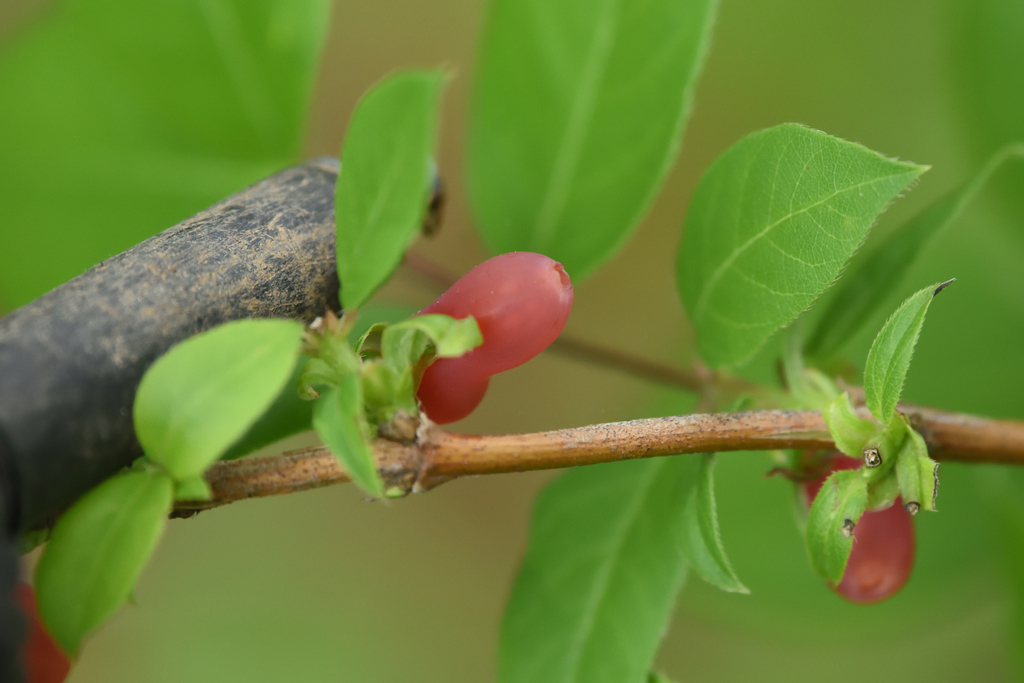
Quick facts
- Family: Caprifoliaceae
- Difficulty: Easy to care for
- Watering: every 7 days
- Light: Partial shade
- Temperature: 10–30 °C
- Toxicity: Toxic to pets
About Winter honeysuckle
Lonicera fragrantissima, also known as Winter Honeysuckle or Fragrant Honeysuckle, is a deciduous or semi-evergreen shrub cherished for its small, creamy-white, highly fragrant flowers that emerge in late winter before the leaves. Its open, somewhat sprawling habit makes it ideal for informal hedges, woodland edges, or as a background plant in gardens, where its perfume can be enjoyed even in the coldest months. It's a delightful addition to any garden seeking seasonal interest and a sweet, citrusy scent in winter.
Native range
This shrub is native to China.
Care tips
This honeysuckle prefers full sun to partial shade, thriving with at least 4-6 hours of direct sunlight daily. Watering should be regular during establishment, then moderate, allowing the soil to dry out slightly between waterings; it's quite drought-tolerant once established. It prefers well-drained, fertile soils with a neutral to slightly alkaline pH. A common mistake to avoid is excessive and untidy pruning, as it flowers on old wood; it's best to prune for shape or to remove dead branches after flowering, rather than severe annual pruning.
How to save a dying Winter honeysuckle
- Warning signs
- Yellow or brown leaves falling prematurely, no flowering, stunted growth, dry woody stems.
- First aid
- Check drainage and soil moisture. Prune dead or weak branches. Consider relocation if it lacks sun or is in a very windy spot.
- What kills it
- Constant waterlogging causing root rot or complete lack of water in dry summers. Does not tolerate heavy, compacted soils.
- Can it be saved?
- Yes, if roots aren't completely rotted and the main trunk is still green. Act quickly to adjust watering and drainage.