Japanese holly (Ilex crenata)
Care, watering, light and tips for Japanese holly on Floravia.
Quick facts
- Family: Aquifoliaceae
- Difficulty: Moderate care
- Watering: every 3 days
- Light: Partial shade
- Temperature: 10–30 °C
- Toxicity: Toxic to pets
About Japanese holly
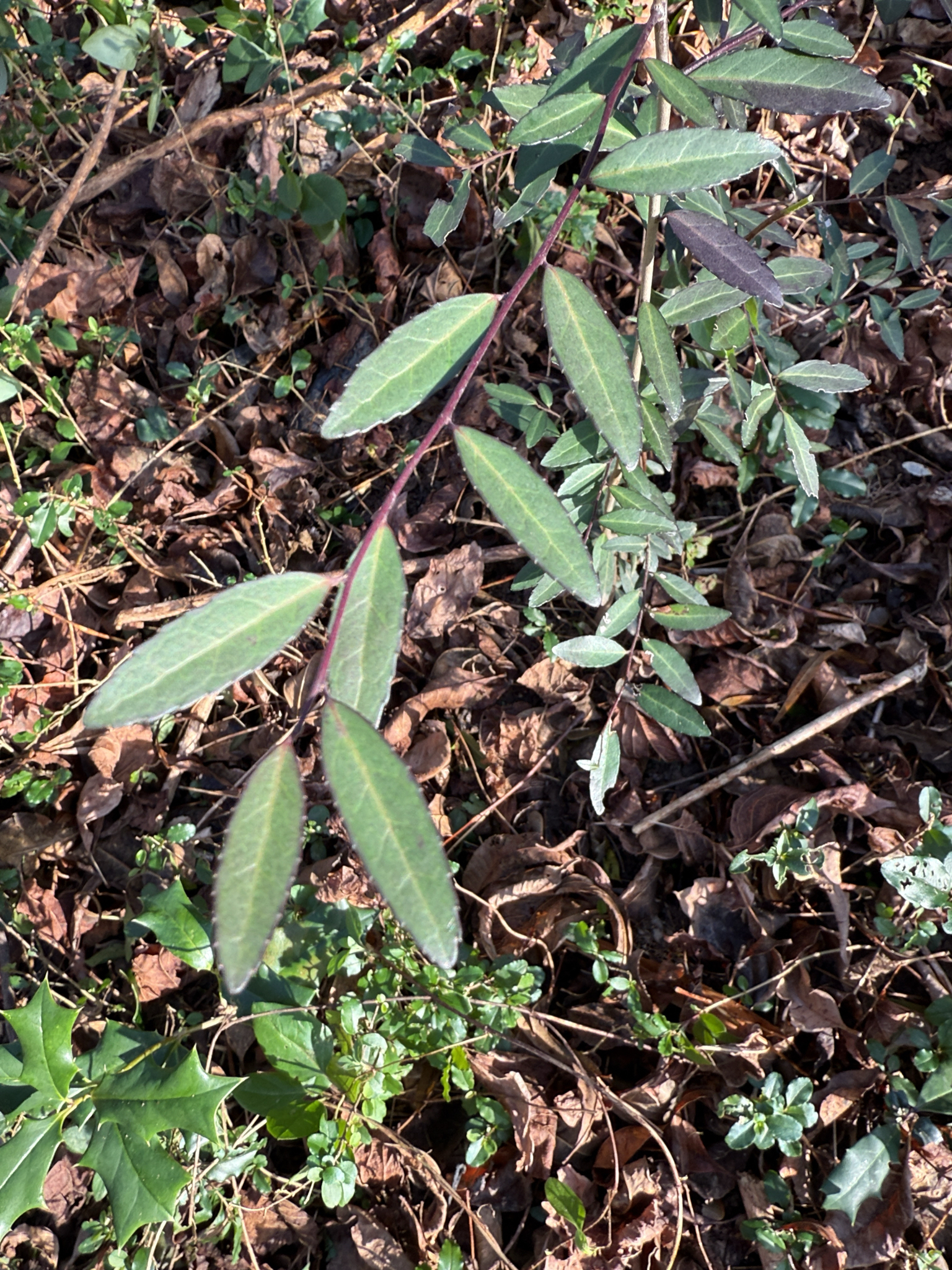
Ilex crenata, commonly known as Japanese Holly, is a dense evergreen shrub with small, oval leaves resembling boxwood. Its compact habit and slow growth make it ideal for low hedges, borders, or as a specimen plant in formal gardens and rockeries. It serves as an excellent boxwood alternative in colder climates or where the Cydalima perspectalis pest is an issue.
Native range
Japan, Korea, eastern China, Taiwan, and Sakhalin (Russia)
Care tips
It thrives in full sun to partial shade and well-drained, slightly acidic to neutral soil. Keep the substrate moist but avoid waterlogging, especially in pots. It tolerates pruning well, allowing for various shaping and maintaining its density. A common mistake is planting it in heavy, clayey soils, which can lead to root rot.
How to save a dying Japanese holly
- Warning signs
- Yellowing or browning leaves falling, dry twigs, stunted growth. May indicate water stress or deficiencies.
- First aid
- Check soil moisture. If dry, water thoroughly. If waterlogged, improve drainage. Check soil pH (ideal 5.0-6.0).
- What kills it
- Alkaline soil (iron chlorosis), constant waterlogging, or prolonged drought. It's sensitive to sudden moisture changes.
- Can it be saved?
- Yes, if you act promptly. Correct pH and watering. Patience and constant monitoring are key to its recovery.