Sea holly (Eryngium maritimum)
Care, watering, light and tips for Sea holly on Floravia.
Quick facts
- Family: Apiaceae
- Difficulty: Easy to care for
- Watering: every 7 days
- Light: Partial shade
- Temperature: 10–30 °C
About Sea holly
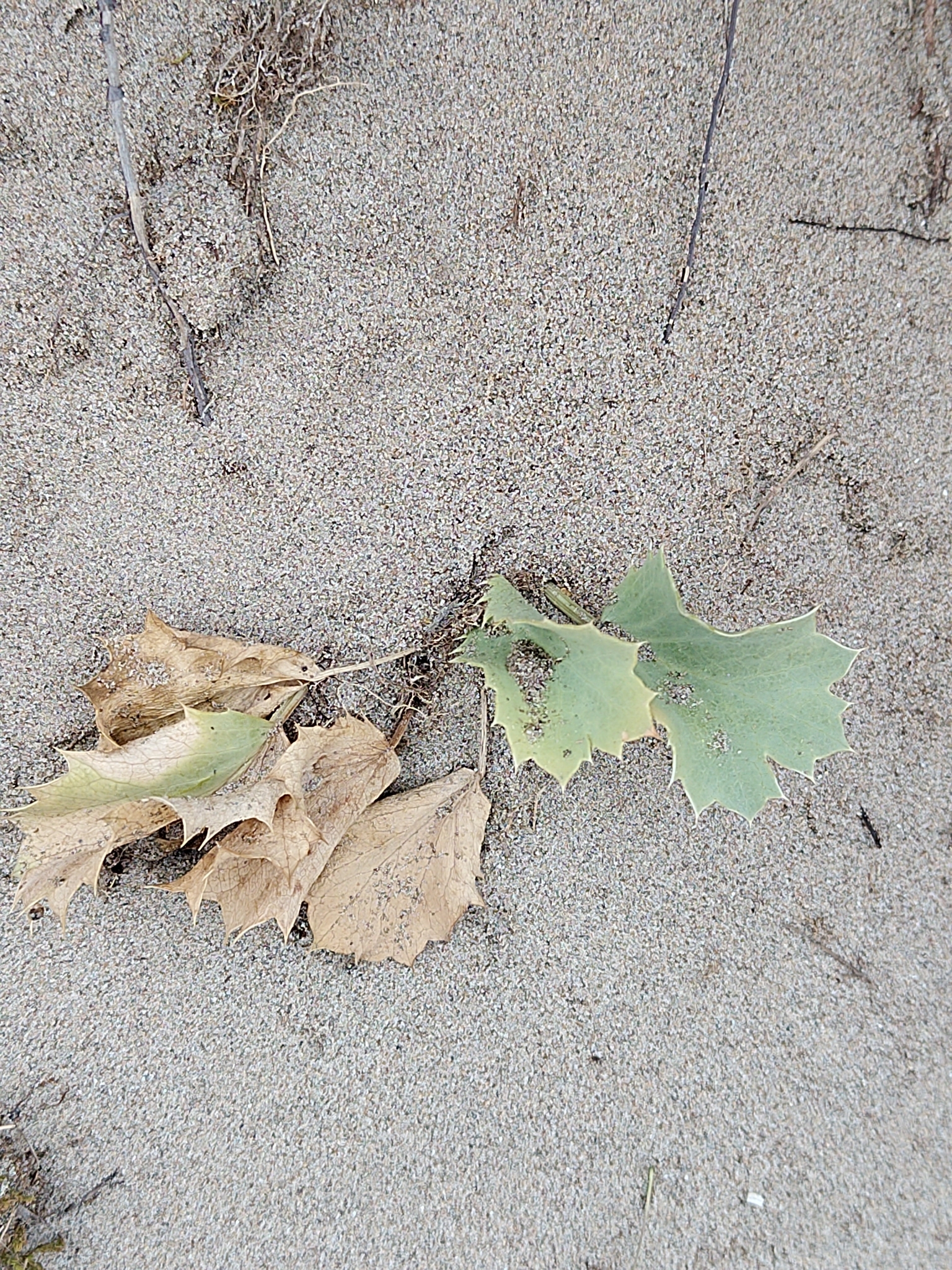
The 'Eryngium maritimum', commonly known as sea holly or strandtorn, is a fascinating perennial coastal plant belonging to the Apiaceae family. It stands out for its leathery, spiny, blue-green leaves, often with silvery hues, and its distinctive metallic blue cone-shaped inflorescences. It is ideal for gravel gardens, rockeries, or coastal areas, providing unique texture and color that evoke seaside landscapes.
Native range
Sandy coasts of Europe and North Africa
Care tips
It requires full sun and very well-drained soils, preferably sandy or stony, tolerating salinity. Watering should be minimal once established, as it is extremely drought-tolerant and excessive moisture can be detrimental. Avoid transplanting once established, as it has a deep taproot and does not tolerate disturbance well. The common mistake to avoid is overwatering and heavy, poorly drained soils, which can lead to root rot.
How to save a dying Sea holly
- Warning signs
- Soft, yellowing or whitish leaves, drooping stems. May indicate excess moisture.
- First aid
- Remove damaged leaves and stems. Check substrate; if wet, stop watering and improve drainage. Move to a sunny, airy spot.
- What kills it
- Overwatering or poor drainage. It doesn't tolerate shade or constant root moisture.
- Can it be saved?
- Yes, if you act quickly. It's tough but sensitive to waterlogging. Prune damage, provide sun and dryness.