Sweet cicely (Myrrhis odorata)
Care, watering, light and tips for Sweet cicely on Floravia.
Quick facts
- Family: Apiaceae
- Difficulty: Easy to care for
- Watering: every 5 days
- Light: Partial shade
- Temperature: 10–30 °C
About Sweet cicely
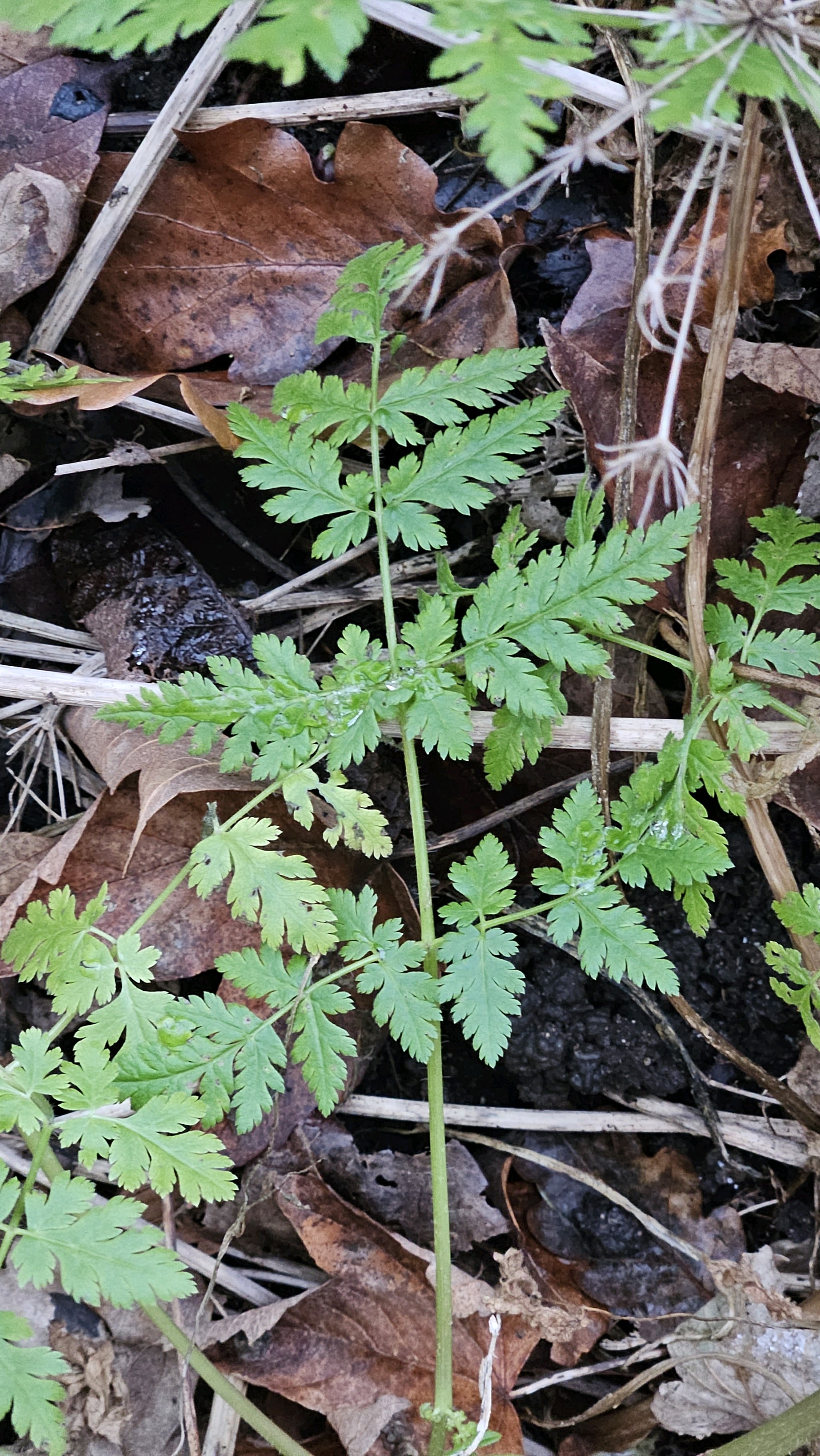
Myrrhis odorata, commonly known as Sweet Cicely or Garden Myrrh, is a perennial herbaceous plant from the Apiaceae family, valued for its anise-like fragrance and delicate white flowers. It grows up to 1 meter tall, featuring finely divided leaves and dense foliage. It is ideal for herb gardens, border plantings, or as an ornamental plant in large pots, where its aroma can be fully enjoyed.
Native range
Central and Southern Europe
Care tips
It prefers partial shade or filtered sunlight, though it can tolerate full sun in cooler climates. It requires consistently moist but well-drained soil, rich in organic matter; regular watering is essential to maintain humidity, especially during summer. Avoid waterlogging, as it can lead to root rot. A common mistake is not controlling its tendency to self-seed, which can lead to excessive spreading if spent flowers are not removed before they form seeds.
How to save a dying Sweet cicely
- Warning signs
- Yellowish or wilted leaves, soft or blackened stems from the base, stunted growth.
- First aid
- Check drainage and soil moisture. If waterlogged, carefully remove and let roots dry. If very dry, water deeply.
- What kills it
- Constant root waterlogging is its worst enemy, causing rot. Intense direct sun also harms it.
- Can it be saved?
- Yes, if rot is not too advanced and watering or exposure issues are corrected quickly.