Hemlock (Conium maculatum)
Care, watering, light and tips for Hemlock on Floravia.
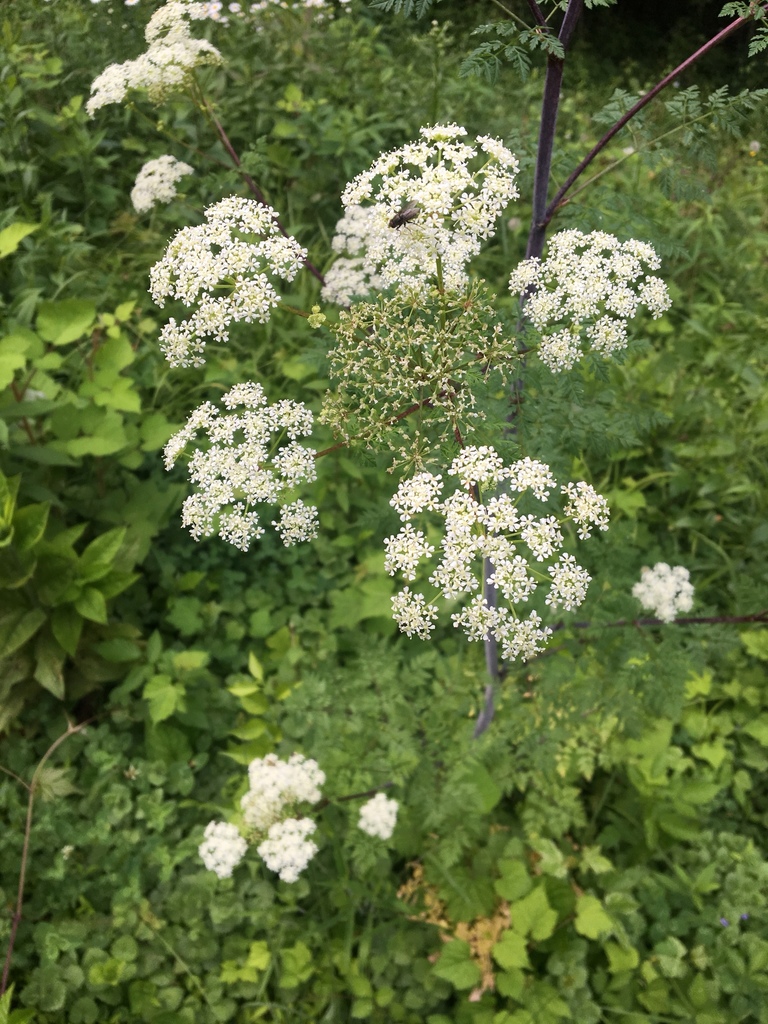
Quick facts
- Family: Apiaceae
- Difficulty: Moderate care
- Watering: every 7 days
- Light: Partial shade
- Temperature: 10–30 °C
- Toxicity: Toxic to pets
About Hemlock
Conium maculatum, commonly known as hemlock, is a biennial herbaceous plant from the Apiaceae family, renowned for its toxicity. It features hollow, branched stems with purple spots, and finely divided leaves reminiscent of parsley or fern, culminating in umbrella-shaped inflorescences of small white flowers. Although its appearance is delicate and it can be confused with other harmless apiaceae, it is a dangerous plant and not recommended for gardens or landscaping.
Native range
Europe and North Africa
Care tips
Due to its extreme toxicity, cultivation of Conium maculatum is not recommended. If encountered, it is advisable not to handle it without gloves and appropriate protective equipment. It thrives in a wide range of soils, preferring moist, shady or semi-shady locations, and is adaptable to different light levels. The most common and serious mistake to avoid is ingestion or direct skin contact, as all parts of the plant are poisonous and can be fatal.
How to save a dying Hemlock
- Warning signs
- Wilting leaves, soft stems, general discoloration. Rancid odor if handled.
- First aid
- Do not touch without gloves. Carefully remove plant and surroundings, dispose in sealed bag.
- What kills it
- Not an ornamental plant. Its toxicity is extreme, even to touch or inhale.
- Can it be saved?
- Not a plant to cultivate. Its rescue is safe elimination due to its lethal toxicity.