Parsnip (Pastinaca sativa)
Care, watering, light and tips for Parsnip on Floravia.
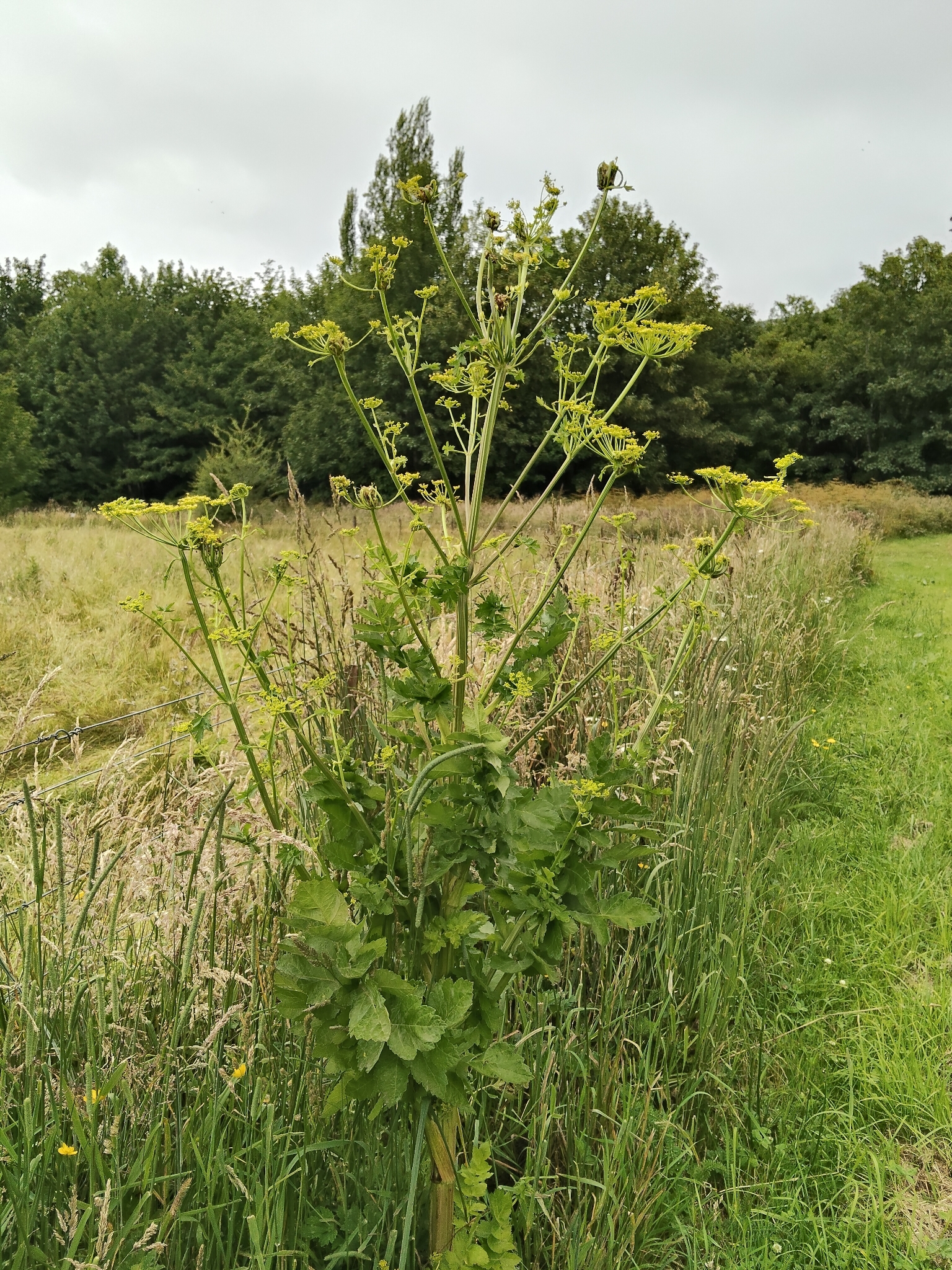
Quick facts
- Family: Apiaceae
- Difficulty: Easy to care for
- Watering: every 7 days
- Light: Partial shade
- Temperature: 10–30 °C
About Parsnip
Pastinaca sativa, commonly known as parsnip, is a biennial plant in the Apiaceae family, primarily cultivated for its edible taproot, which resembles a white carrot. It develops feathery green foliage with yellow flowers in umbels during its second year. It's ideal for home vegetable gardens and kitchen gardens, adding a rustic and functional touch.
Native range
Europe and temperate Asia
Care tips
Parsnips require full sun for optimal root development. The soil should be deep, loose, and well-drained, preferably with a pH between 6.0 and 7.0, and benefits from regular, consistent watering, especially during root formation. Avoid planting in compacted or stony soils, as this can lead to forked or deformed roots. Direct sowing into the ground is crucial, as transplanting can damage the taproot and affect development.
How to save a dying Parsnip
- Warning signs
- Yellowing or wilting leaves, stunted growth, soft or black-spotted root.
- First aid
- Check drainage, reduce watering if waterlogged, or increase if soil is dry. Avoid direct sun.
- What kills it
- Overwatering causing root rot, or very compact soils hindering its development.
- Can it be saved?
- Yes, if the root is not too damaged. Act quickly to adjust watering and improve soil.