Potamogeton salicifolius
Care, watering, light and tips for Potamogeton salicifolius on Floravia.
Quick facts
- Family: Potamogetonaceae
- Difficulty: Demanding
- Watering: every 7 days
- Light: Partial shade
- Temperature: 10–30 °C
About Potamogeton salicifolius
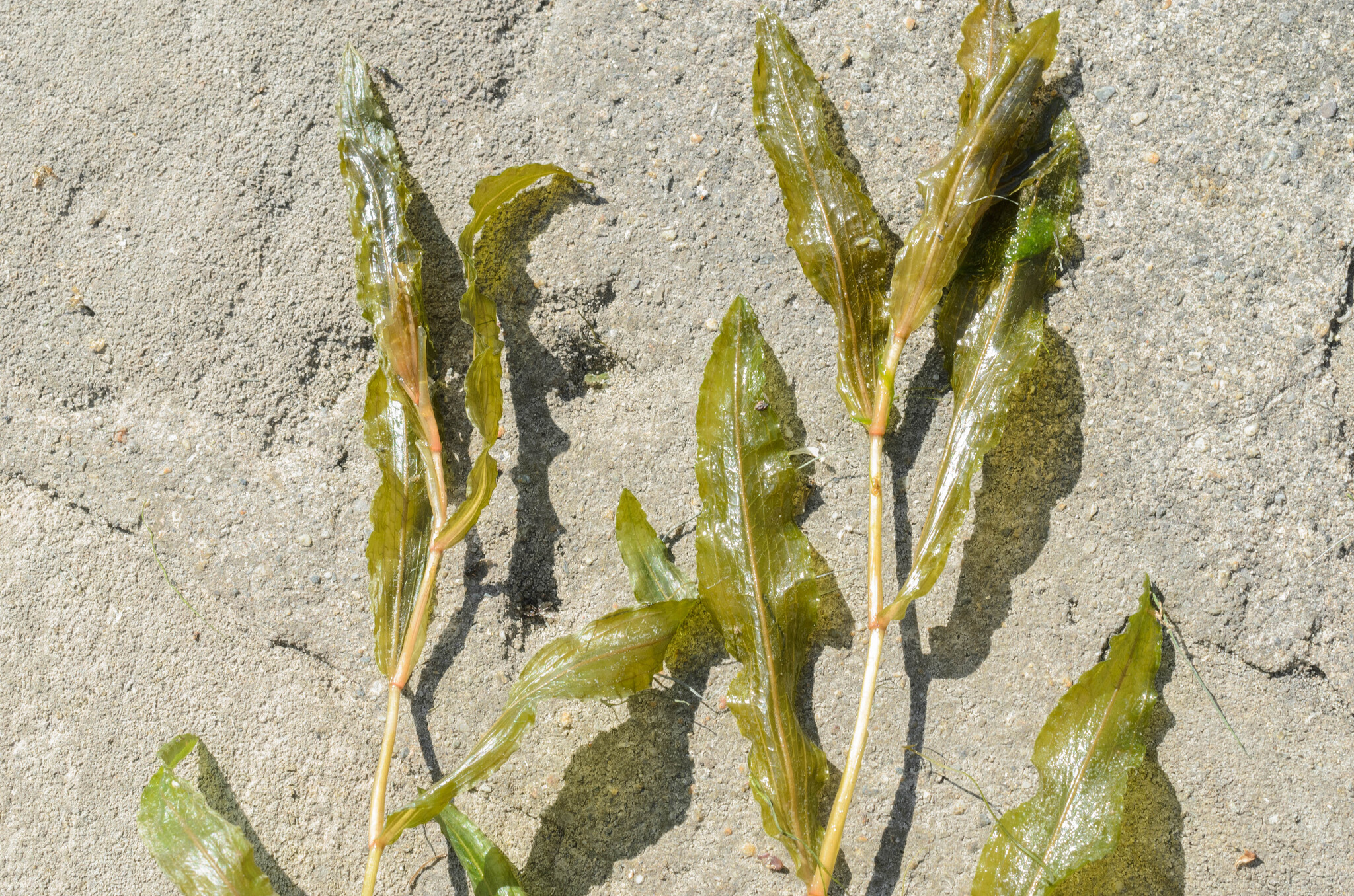
Potamogeton salicifolius, also known as Willow-leaved Pondweed, is a submerged or floating aquatic plant characterized by its elongated, narrow leaves, reminiscent of willow leaves. It forms dense underwater masses that provide shelter and food for aquatic fauna, making it ideal for natural ponds, lakes, or large cold-water aquariums. Its presence indicates good water quality and adds a touch of naturalness to the aquatic ecosystem.
Native range
Europe and temperate Asia
Care tips
It requires full to partial sunlight for optimal growth, preferably in clear, non-stagnant waters. Watering is not applicable as it is an aquatic plant; however, ensure the water level remains consistent. It naturally anchors itself in muddy or sandy substrates at the bottom of the water body. A common mistake is introducing it into nutrient-rich waters, which can lead to uncontrolled algae growth that smothers it.
How to save a dying Potamogeton salicifolius
- Warning signs
- Pale, translucent, or disintegrating leaves. Soft, blackened stems. No new growth.
- First aid
- Remove decaying matter. Ensure clean, oxygenated water. Check substrate and nutrients.
- What kills it
- Accumulation of decaying organic matter. Lack of light or nutrients. Stagnant water.
- Can it be saved?
- Yes, if you act quickly. It needs stable aquatic conditions and good water quality.