Dumb cane (Dieffenbachia aglaonematifolia)
Care, watering, light and tips for Dumb cane on Floravia.
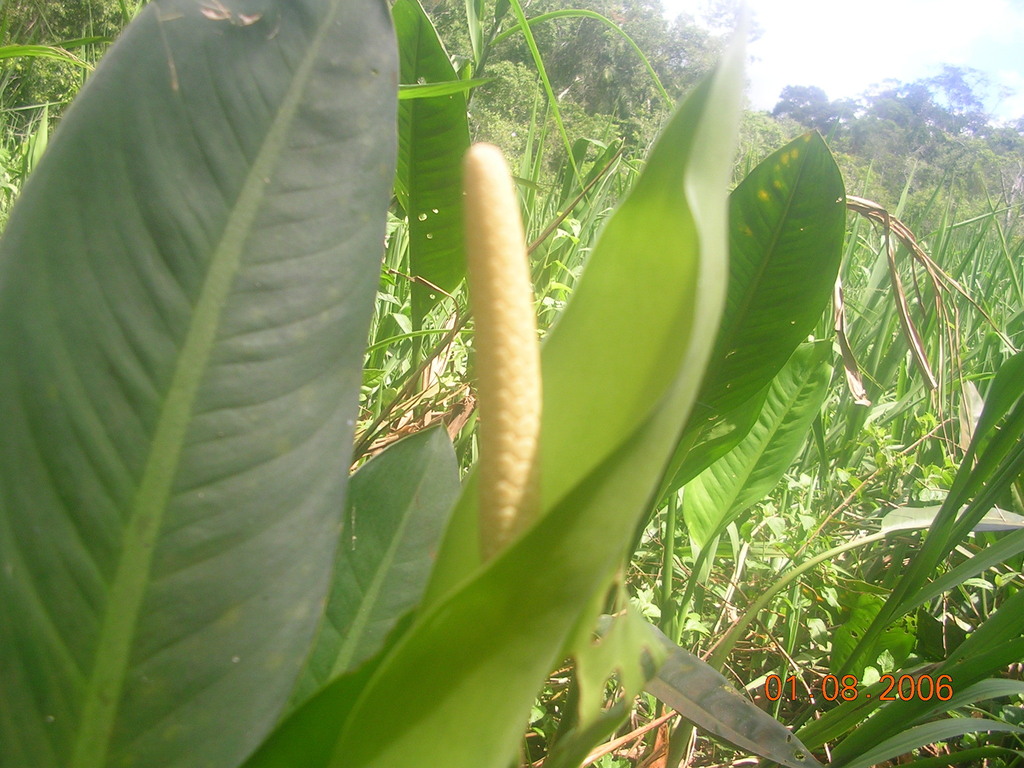
Quick facts
- Family: Araceae
- Difficulty: Moderate care
- Watering: every 7 days
- Light: Indirect light
- Temperature: 15–30 °C
- Toxicity: Toxic to pets
About Dumb cane
Dieffenbachia aglaonematifolia, commonly known as aninga, is a tropical indoor plant prized for its lush foliage. Its large, oval leaves display a variegated pattern of green and cream hues, adding an exotic touch to any space. It is ideal for decorating living rooms or offices, bringing freshness and elegance.
Native range
Central and South America, from Mexico to Colombia and Brazil.
Care tips
It prefers bright indirect light; direct sunlight can scorch its leaves. Keep the substrate consistently moist, but avoid waterlogging, which can lead to root rot. Use a well-draining substrate rich in organic matter. A common mistake is insufficient ambient humidity, which can cause dry leaf tips; consider misting its leaves or using a humidifier.
How to save a dying Dumb cane
- Warning signs
- Yellow or soft leaves (overwatering), brown and dry edges (underwatering/dry air), soft or rotten stem (root rot).
- First aid
- Check soil. If wet, stop watering and improve drainage. If dry, water thoroughly. Move away from cold drafts or direct sun.
- What kills it
- Overwatering is the main killer. Also, exposure to low temperatures or cold drafts, which weaken it quickly.
- Can it be saved?
- Yes! If the stem isn't completely rotted, you can try propagating healthy sections. Act quickly.