Greater duckweed (Spirodela polyrhiza)
Care, watering, light and tips for Greater duckweed on Floravia.
Quick facts
- Family: Araceae
- Difficulty: Easy to care for
- Watering: every 7 days
- Light: Indirect light
- Temperature: 15–30 °C
- Toxicity: Toxic to pets
About Greater duckweed
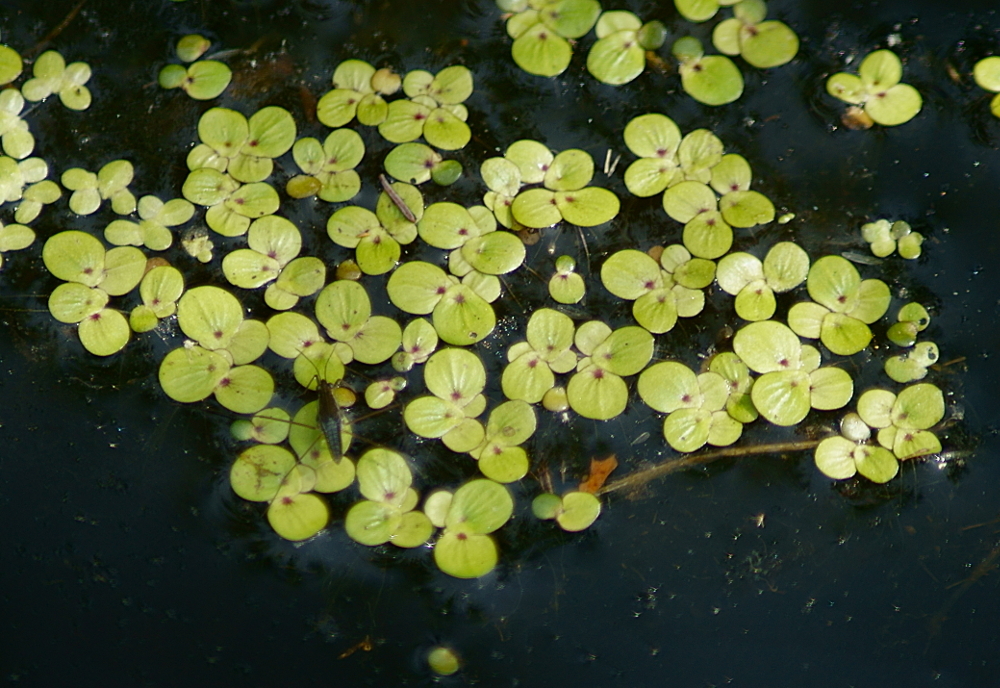
<i>Spirodela polyrhiza</i>, commonly known as giant duckweed, is a free-floating aquatic plant that forms dense green mats on the water's surface. Its fronds are small, round, and bright green, with visible roots dangling in the water. It is ideal for ponds, freshwater aquariums, and stagnant bodies of water, where it aids in oxygenation and provides shelter for aquatic fauna.
Native range
Cosmopolitan, found in nearly all temperate and tropical regions worldwide.
Care tips
This species thrives in full sun to partial shade, although excessive light can lead to explosive growth. It requires no substrate as it floats freely, and benefits from nutrient-rich water, though it tolerates a wide range of conditions. Be sure to control its proliferation, as it can quickly cover the entire water surface, competing with other plants for light and oxygen. Avoid introducing it into natural ecosystems where it may become invasive.
How to save a dying Greater duckweed
- Warning signs
- Pale or yellowing fronds, disintegration of thalli, sinking.
- First aid
- Remove organic debris, check water nutrients, ensure adequate indirect light.
- What kills it
- Chemically contaminated water, excessive organic matter, lack of essential nutrients.
- Can it be saved?
- Yes, if acted upon quickly by correcting water quality and nutrients.