Rootless duckweed (Wolffia arrhiza)
Care, watering, light and tips for Rootless duckweed on Floravia.
Quick facts
- Family: Araceae
- Difficulty: Easy to care for
- Watering: every 1 days
- Light: Indirect light
- Temperature: 15–30 °C
About Rootless duckweed
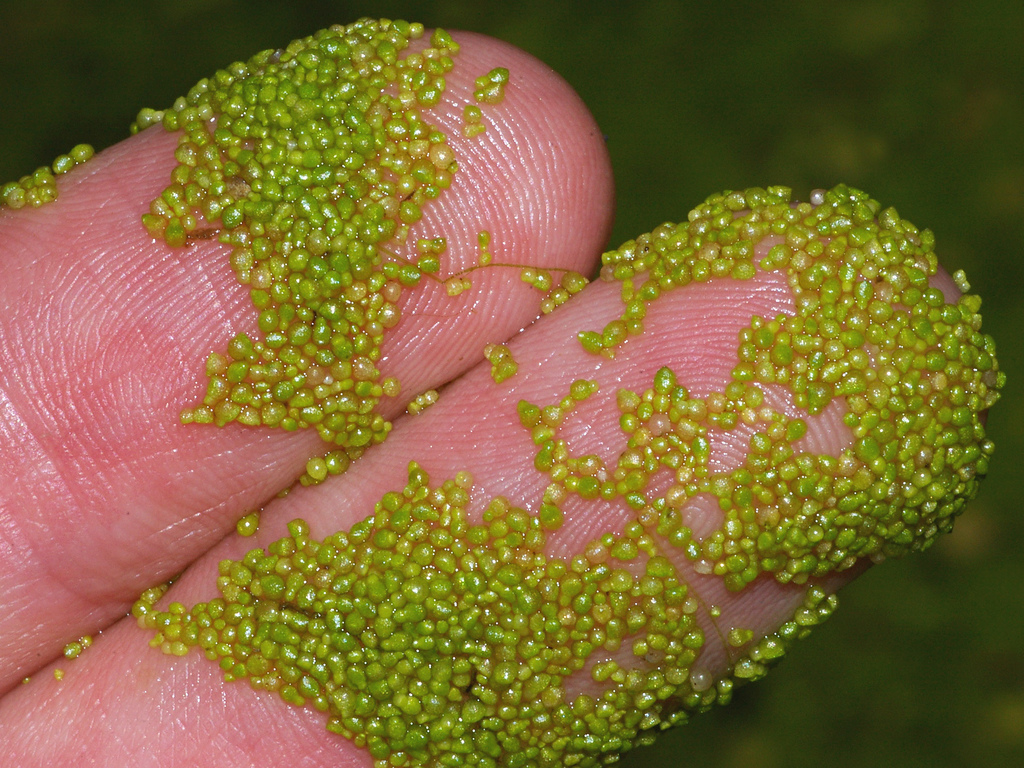
Wolffia arrhiza, also known as rootless duckweed, is the world's smallest flowering plant, floating freely on the water surface. It consists of a tiny, light green, spheroidal thallus that lacks differentiated roots, stems, and leaves, forming dense mats. It is ideal for ponds, freshwater aquariums, or any stagnant water body where a floating plant cover and habitat for small organisms are desired.
Native range
Africa, Asia, Europe
Care tips
This plant thrives in bright light to full sunlight, though it can tolerate partial shade. It requires stagnant or very slow-moving fresh water, with a pH between 6.0 and 8.0 and an ideal temperature between 20-30°C. It does not require substrate as it floats freely, and its main care is to control its rapid proliferation to prevent it from completely covering the water surface. Avoid introducing it into natural water bodies where it could become an invasive species.
How to save a dying Rootless duckweed
- Warning signs
- Discoloration (white, translucent), sinking, drastic and rapid population reduction.
- First aid
- Check water quality (pH 6-8, nutrients), ensure bright indirect light and stable temperature (20-30°C).
- What kills it
- Contaminated water (pesticides, metals), sudden temperature changes, lack of nutrients or excessive direct light.
- Can it be saved?
- Yes, if you act quickly to correct the aquatic environment, light, and temperature parameters.