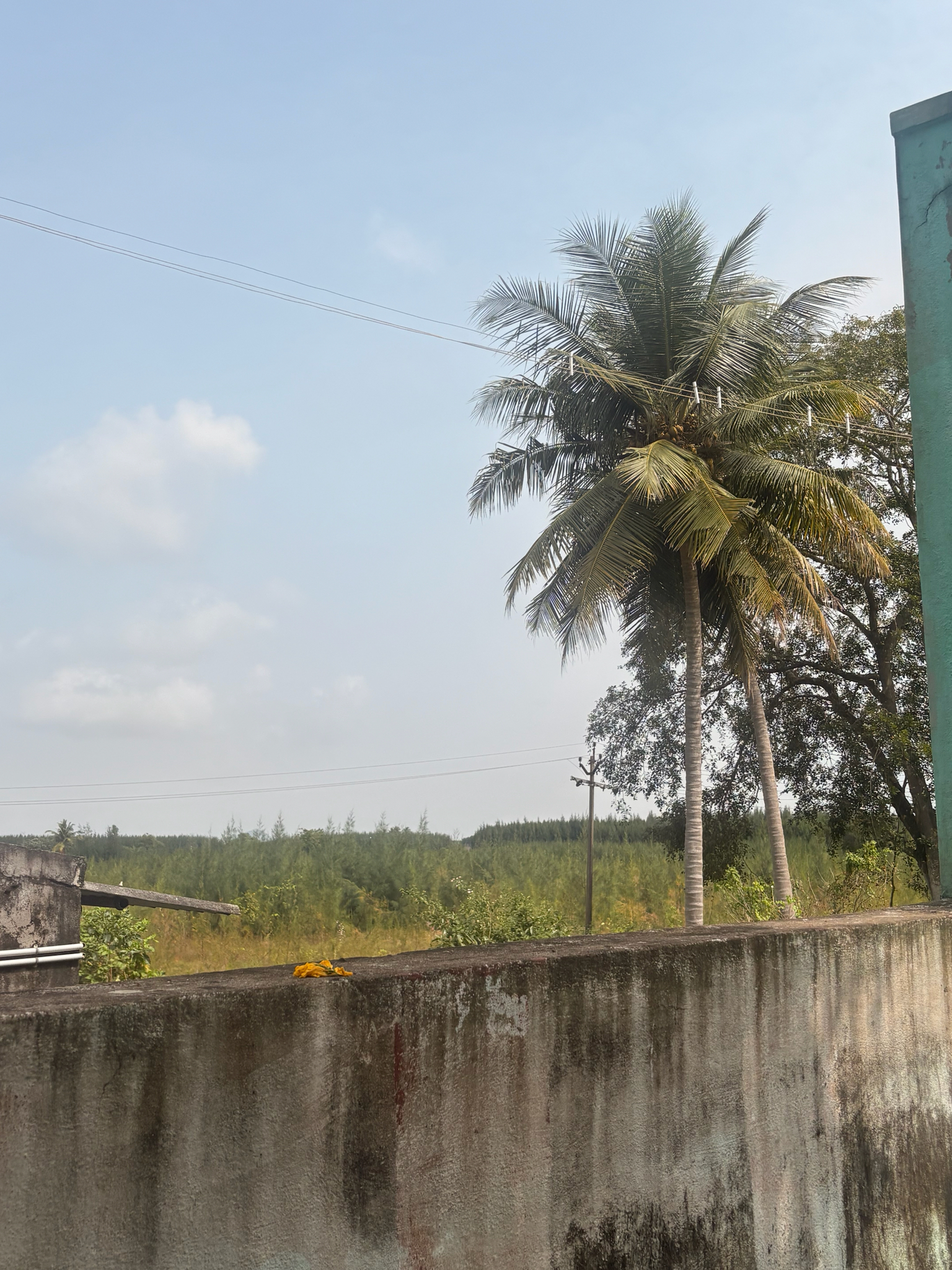
Coconut tree (Cocos nucifera)
Care, watering, light and tips for Coconut tree on Floravia.
Quick facts
- Family: Arecaceae
- Difficulty: Demanding
- Watering: every 2 days
- Light: Full sun
- Temperature: 15–40 °C
About Coconut tree
Cocos nucifera, or the Coconut Palm, is a tropical icon that evokes images of pristine beaches. With its slender trunk and arching pinnate leaves, it's perfect for adding an exotic touch to large gardens in warm climates or as an indoor plant in its juvenile stages, where its size is manageable and its beauty undeniable.
Native range
Tropical regions of Asia, particularly Southeast Asia and the Western Pacific
Care tips
It requires full, direct sun for most of the day for optimal growth. Watering should be abundant and frequent in hot, dry climates, ensuring the substrate remains moist but well-drained. It prefers sandy, nutrient-rich soils with excellent drainage. A common mistake is insufficient ambient humidity, which can lead to brown leaf tips, especially indoors.
How to save a dying Coconut tree
- Warning signs
- Lower leaves yellowing, dry tips, slow or no growth. Trunk may feel soft at the base.
- First aid
- Check drainage and substrate moisture. Ensure direct, warm sunlight. Fertilize with potassium if deficient.
- What kills it
- Lack of direct, constant sunlight, cold temperatures (<15°C), over/underwatering, heavy soils.
- Can it be saved?
- Yes, if young leaves still show some green and the trunk isn't completely soft.