Jelly palm (Butia capitata)
Care, watering, light and tips for Jelly palm on Floravia.
Quick facts
- Family: Arecaceae
- Difficulty: Easy to care for
- Watering: every 7 days
- Light: Full sun
- Temperature: 15–40 °C
About Jelly palm
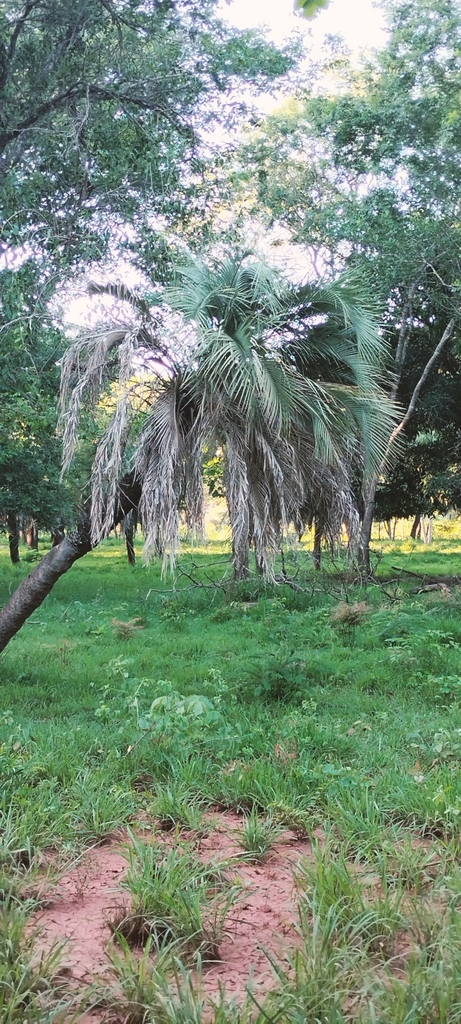
Butia capitata, commonly known as the Jelly Palm or Pindo Palm, is a medium-sized palm native to South America, valued for its sturdy trunk and elegant blue-green pinnate leaves that arch gracefully. It produces edible orange-yellow fruits often used for making jellies and jams. It's an excellent choice for Mediterranean or subtropical gardens, or as a striking specimen plant in large lawns, adding an exotic yet resilient touch.
Native range
Brazil, Uruguay, and Argentina
Care tips
It thrives in full sun exposure for optimal growth and abundant fruiting. Watering should be moderate, allowing the soil to dry out slightly between waterings, and it is drought-tolerant once established. Use a well-draining, sandy, and slightly acidic substrate. A common mistake is overwatering, which can lead to crown rot, especially in heavy soils.
How to save a dying Jelly palm
- Warning signs
- Yellowish/brown leaves from tips, stunted growth, soft trunk base.
- First aid
- Ensure excellent drainage; if potted, consider repotting with looser soil. Water only when substrate is dry.
- What kills it
- Overwatering, especially in heavy soils. Root rot and trunk base rot are fatal.
- Can it be saved?
- Yes, if caught early. Crucial to correct watering and ensure good drainage.