Fishtail palm (Caryota urens)
Care, watering, light and tips for Fishtail palm on Floravia.
Quick facts
- Family: Arecaceae
- Difficulty: Moderate care
- Watering: every 4 days
- Light: Full sun
- Temperature: 15–40 °C
- Toxicity: Toxic to pets
About Fishtail palm
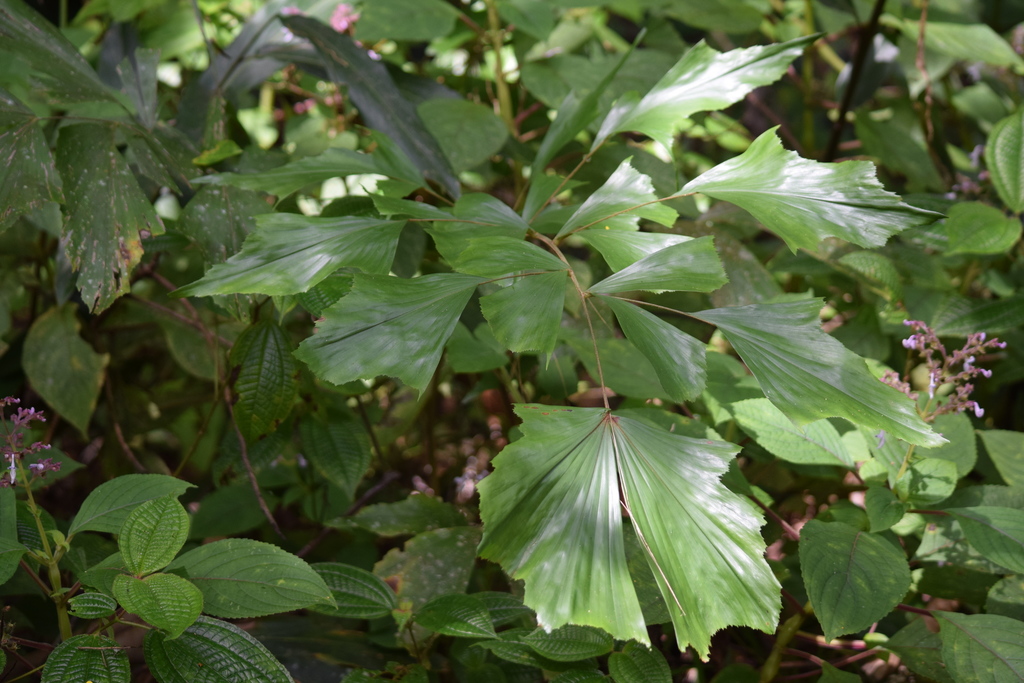
Caryota urens, commonly known as the Fishtail Palm or Wine Palm, is a majestic and fast-growing palm native to the Indian subcontinent and Southeast Asia. It is distinguished by its bipinnate leaves, which resemble a fish's tail, and can reach impressive heights of up to 12-18 meters in its natural habitat. This palm is a spectacular choice for large tropical gardens or as a striking focal point in very spacious interiors with high ceilings, where its unique form can be fully appreciated.
Native range
Tropical forests of Southeast Asia (India, Sri Lanka, Myanmar, Thailand, Malaysia)
Care tips
It requires full sun to partial shade for optimal growth, though it can tolerate some shade. Watering should be abundant and regular, keeping the substrate consistently moist but well-drained, avoiding waterlogging. It prefers rich, fertile, and well-draining soils; a palm mix with organic matter is ideal. A common mistake is insufficient ambient humidity, which can lead to dry leaf tips, so it benefits from regular misting in dry environments.
How to save a dying Fishtail palm
- Warning signs
- Lower leaves yellowing, brown and dry tips, or rot at the trunk base. Caryota urens dislikes waterlogging.
- First aid
- Check drainage and remove damaged leaves. Repot to a well-draining pot if soil is waterlogged. Ensure high humidity.
- What kills it
- Overwatering and poor drainage, leading to root rot. Also very dry air and consistently low temperatures.
- Can it be saved?
- Yes, if rot hasn't affected much of the trunk. Act quickly by correcting watering and improving environment.