Jelly palm (Butia odorata)
Care, watering, light and tips for Jelly palm on Floravia.
Quick facts
- Family: Arecaceae
- Difficulty: Easy to care for
- Watering: every 7 days
- Light: Full sun
- Temperature: 15–40 °C
About Jelly palm
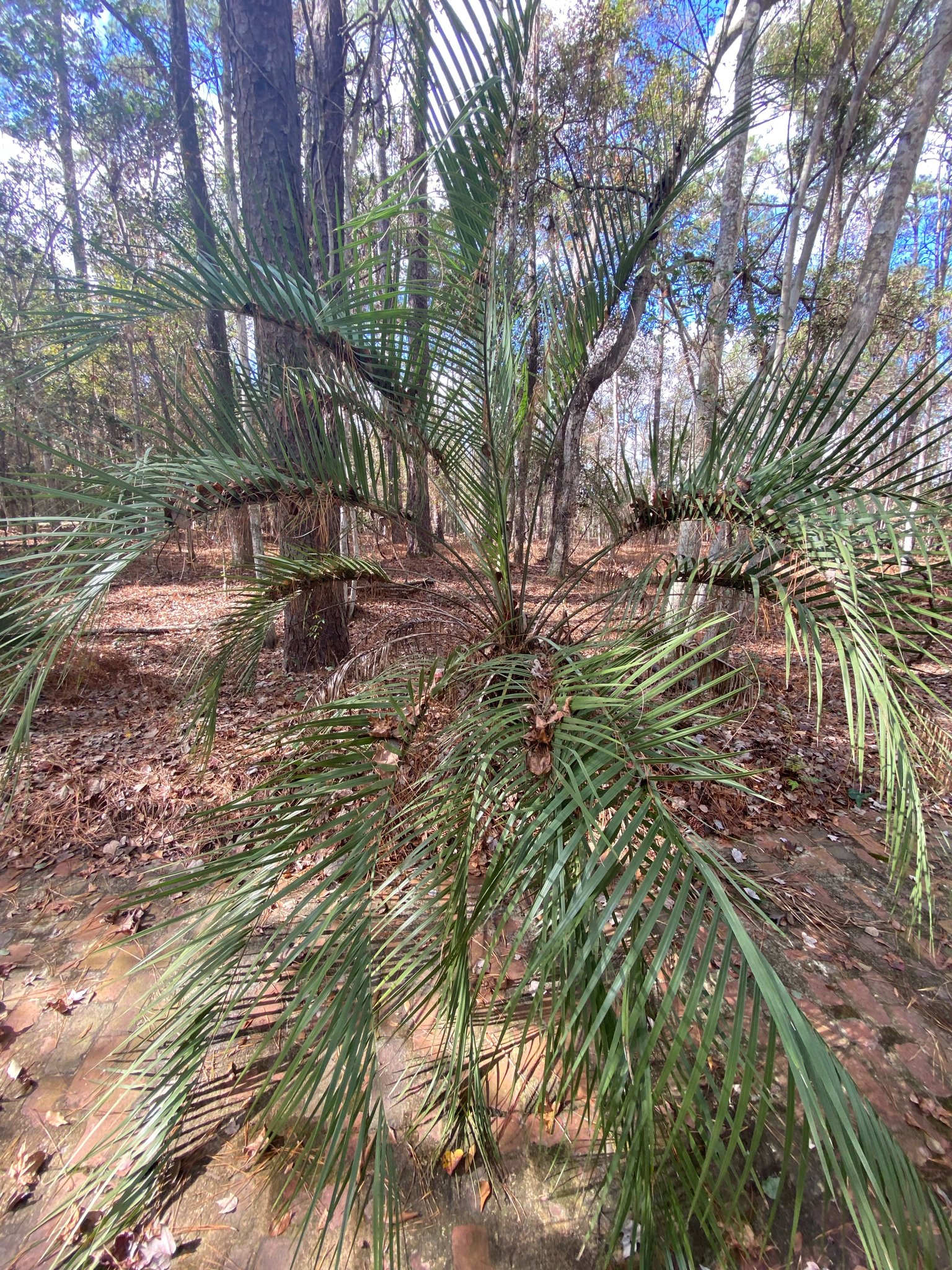
Butia odorata, commonly known as the Butia palm or Jelly Palm, is a medium-sized palm native to South America, valued for its sturdy trunk and arching, blue-green pinnate leaves. It produces edible yellow-orange fruits, known as butiás. It is ideal for coastal gardens or as a specimen plant, adding a tropical and exotic touch to the landscape.
Native range
South America: southern Brazil, Uruguay, and northeastern Argentina.
Care tips
This palm thrives in full sun for optimal growth, though it can tolerate some partial shade. It prefers well-drained, sandy or slightly loamy soils, and is quite drought-tolerant once established, but appreciates regular watering in dry climates. It is resistant to light frosts, but severe freezes can cause damage. Avoid waterlogging, as it can lead to root rot.
How to save a dying Jelly palm
- Warning signs
- Lower leaves yellow/brown, drying from tips, slow growth, soft trunk.
- First aid
- Check drainage, reduce watering if waterlogged. For scale (white spots), clean with alcohol and insecticidal soap.
- What kills it
- Overwatering and poor drainage; roots rot quickly. Doesn't tolerate hard frosts without protection.
- Can it be saved?
- Yes, if addressed promptly. Remove heavily damaged leaves and improve drainage. Recovery is slow.