Wild leek (Allium ampeloprasum)
Care, watering, light and tips for Wild leek on Floravia.
Quick facts
- Family: Amaryllidaceae
- Difficulty: Easy to care for
- Watering: every 3 days
- Light: Partial shade
- Temperature: 10–30 °C
- Toxicity: Toxic to pets
About Wild leek
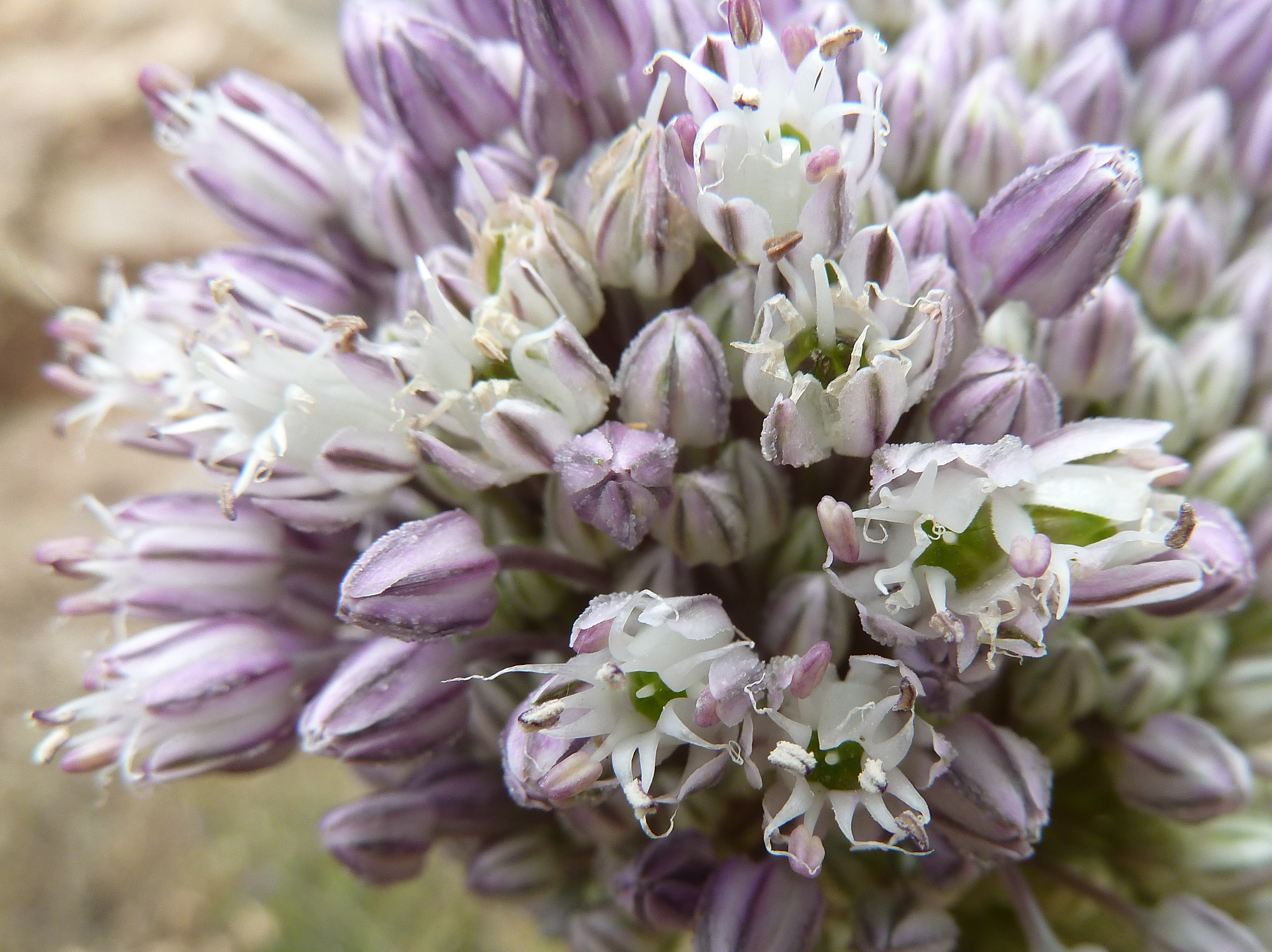
Allium ampeloprasum, commonly known as summer leek or wild leek, is a biennial or perennial herbaceous plant belonging to the Amaryllidaceae family, valued for both its culinary and ornamental uses. It produces stout stems with broad, flattened bluish-green leaves and, in its second year, a spherical inflorescence of white or pink flowers. It is ideal for vegetable gardens, borders, or even large pots, adding interesting texture and an attractive aroma.
Native range
Mediterranean region and Middle East
Care tips
It thrives in full sun exposure for optimal growth and good bulb development. Regular and consistent watering is needed, especially during dry periods, to keep the soil moist but not waterlogged. The ideal substrate should be fertile, well-drained, and rich in organic matter. A common mistake is planting it in heavy, poorly drained soils, which can lead to root rot.
How to save a dying Wild leek
- Warning signs
- Yellowing or wilting leaves from the tip, soft base, or rotten bulbs.
- First aid
- Check drainage. Reduce watering. If rot, remove affected parts and repot in dry, light substrate.
- What kills it
- Overwatering and heavy soil. Bulbs rot easily with constant moisture.
- Can it be saved?
- Yes, if rot hasn't affected the entire bulb. Recovery is slow but possible with good drainage.