Garlic chives (Allium tuberosum)
Care, watering, light and tips for Garlic chives on Floravia.
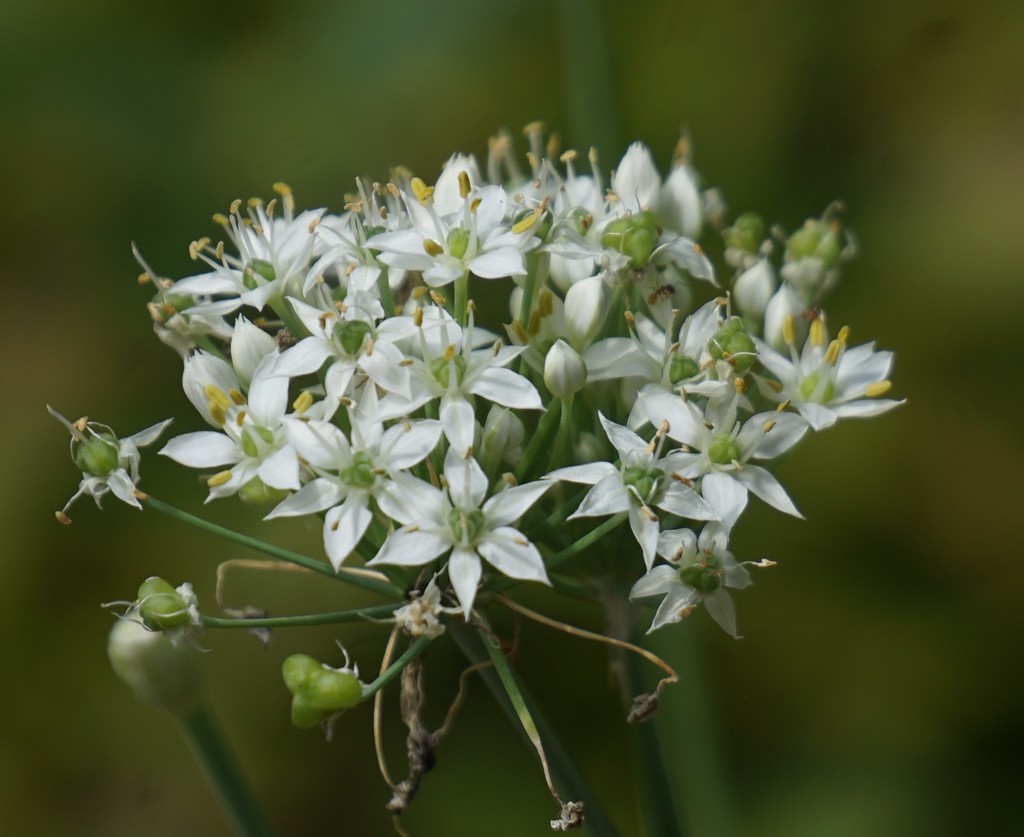
Quick facts
- Family: Amaryllidaceae
- Difficulty: Easy to care for
- Watering: every 7 days
- Light: Partial shade
- Temperature: 10–30 °C
- Toxicity: Toxic to pets
About Garlic chives
Allium tuberosum, commonly known as Chinese Chives or Garlic Chives, is a perennial herbaceous plant from the Amaryllidaceae family, valued for both its culinary and ornamental uses. It features flat, narrow, dark green leaves and produces attractive star-shaped white flowers in dense umbels during summer and autumn. It is ideal for herb gardens, sunny borders, or as a decorative edible plant in pots.
Native range
Eastern Asia (China, Mongolia, Japan, Korea)
Care tips
It prefers full sun to partial shade and well-drained, fertile, slightly alkaline soil. Watering should be regular, keeping the substrate moist but not waterlogged, especially during active growth periods. It is important to divide the clumps every few years to maintain their vigor and prevent them from becoming too dense. A common mistake is planting it in heavy, poorly drained soils, which can lead to root rot.
How to save a dying Garlic chives
- Warning signs
- Yellowish or brown, soft, drooping leaves; soft, dark stem base; stunted growth.
- First aid
- Remove plant, inspect roots (prune if soft/black), repot in dry, well-draining soil. Drastically reduce watering.
- What kills it
- Overwatering, especially in winter or low light. This rots its roots and bulbs, suffocating it.
- Can it be saved?
- Yes, if rot isn't too advanced. It's resilient, but doesn't tolerate waterlogging.