Shallot (Allium ascalonicum)
Care, watering, light and tips for Shallot on Floravia.
Quick facts
- Family: Amaryllidaceae
- Difficulty: Easy to care for
- Watering: every 3 days
- Light: Partial shade
- Temperature: 10–30 °C
- Toxicity: Toxic to pets
About Shallot
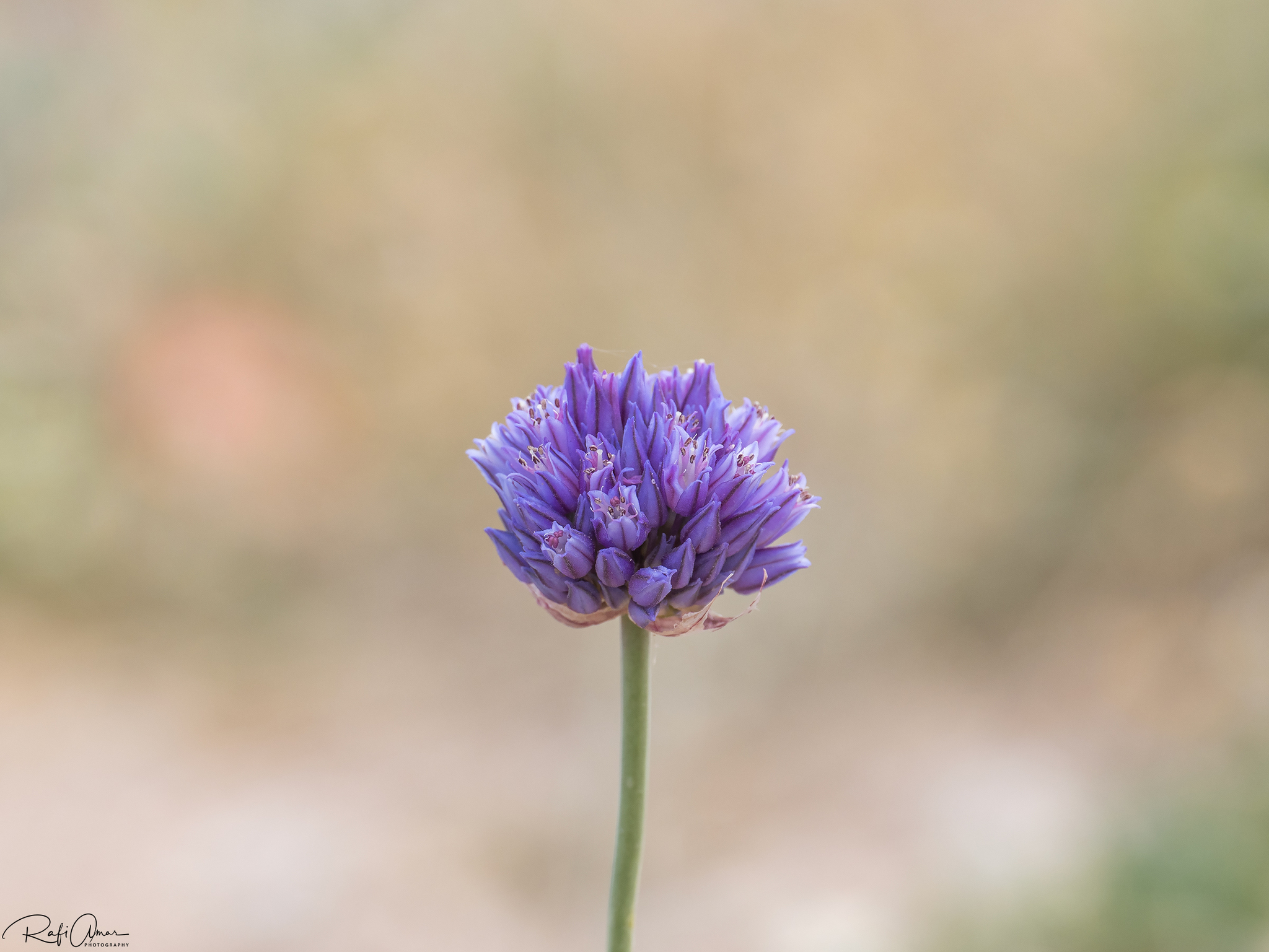
Allium ascalonicum, commonly known as shallot, is a perennial bulbous plant belonging to the Amaryllidaceae family, valued for both its culinary properties and ornamental appeal. It produces erect flower stalks topped with spherical inflorescences of small purple or pink flowers, and cylindrical, hollow leaves. It is ideal for vegetable gardens, garden borders, or even pots, adding a rustic and edible touch.
Native range
Central Asia and the Middle East
Care tips
It prefers full sun exposure for optimal growth and good bulb formation. Watering should be regular during active growth, keeping the substrate moist but well-drained, reducing it once the leaves begin to yellow. Use a substrate rich in organic matter and well-drained, preferably sandy-loam. A common mistake is overwatering in later stages, which can lead to bulb rot.
How to save a dying Shallot
- Warning signs
- Yellowish or whitish leaves, soft or rotting stems at the base. Small or deformed bulbs.
- First aid
- Check drainage and soil moisture. If potted, repot into a well-draining pot. If in ground, improve soil aeration. Remove rotten parts. Ensure 6-8h direct sun.
- What kills it
- Overwatering causing bulb rot. Lack of direct sun and heavy, poorly drained soil suffocates it.
- Can it be saved?
- Yes, if rot hasn't affected the entire bulb. Act quickly to correct drainage and sun exposure.