Common hyacinth (Hyacinthus orientalis)
Care, watering, light and tips for Common hyacinth on Floravia.
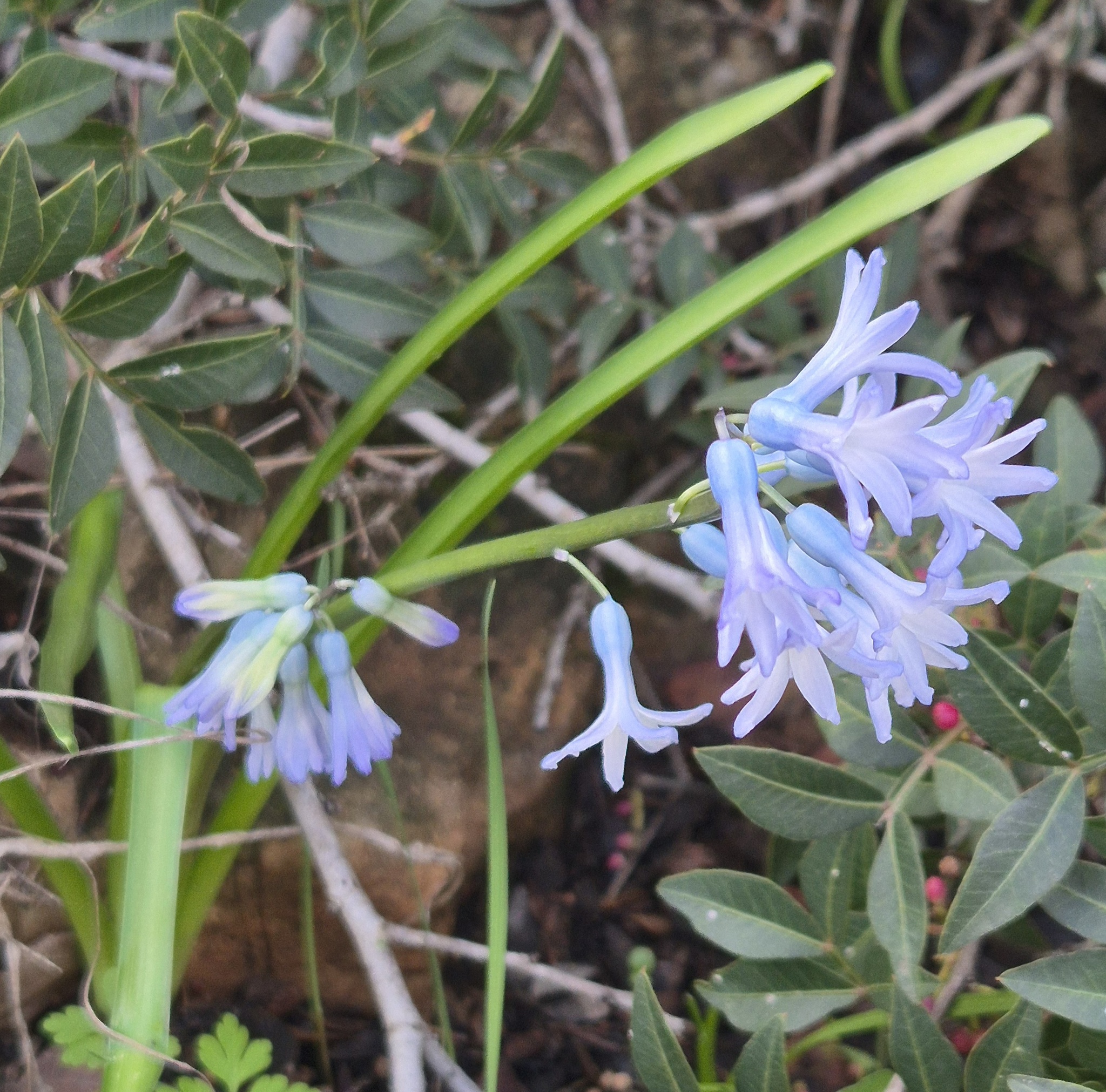
Quick facts
- Family: Asparagaceae
- Difficulty: Easy to care for
- Watering: every 7 days
- Light: Indirect light
- Temperature: 10–35 °C
- Toxicity: Toxic to pets
About Common hyacinth
Hyacinthus orientalis, commonly known as Hyacinth, is a fragrant bulbous plant renowned for its dense spikes of vibrantly colored flowers in shades of blue, pink, white, and purple. Its leaves are lance-shaped and bright green, forming a basal rosette. It is perfect for decorating interiors in pots during winter and spring, or for adding bursts of color and fragrance to rock gardens and borders.
Native range
Asia Minor (Turkey, Syria, Lebanon, and Israel)
Care tips
This plant thrives in bright light, but avoid intense direct sunlight which can scorch the flowers. Watering should be moderate, keeping the substrate moist but never waterlogged; it's crucial to prevent overwatering to avoid bulb rot. Use a well-draining substrate, preferably a bulb mix or universal potting soil with perlite. A common mistake is forcing indoor flowering without an adequate chilling period, leading to weak stems and sparse blooms.
How to save a dying Common hyacinth
- Warning signs
- Yellow, soft leaves; soft/smelly bulb (overwatering). Dry/wilted leaves, weak blooms (underwatering/lack of light).
- First aid
- Remove bulb, inspect for rot. Cut off soft parts. Replant in fresh, well-draining soil. Ensure bright indirect light.
- What kills it
- Overwatering is the main killer, causing rapid bulb rot. Also, insufficient light.
- Can it be saved?
- Yes, if rot hasn't consumed the entire bulb. Act quickly to stop its progression.