Italian bluebell (Hyacinthoides italica)
Care, watering, light and tips for Italian bluebell on Floravia.
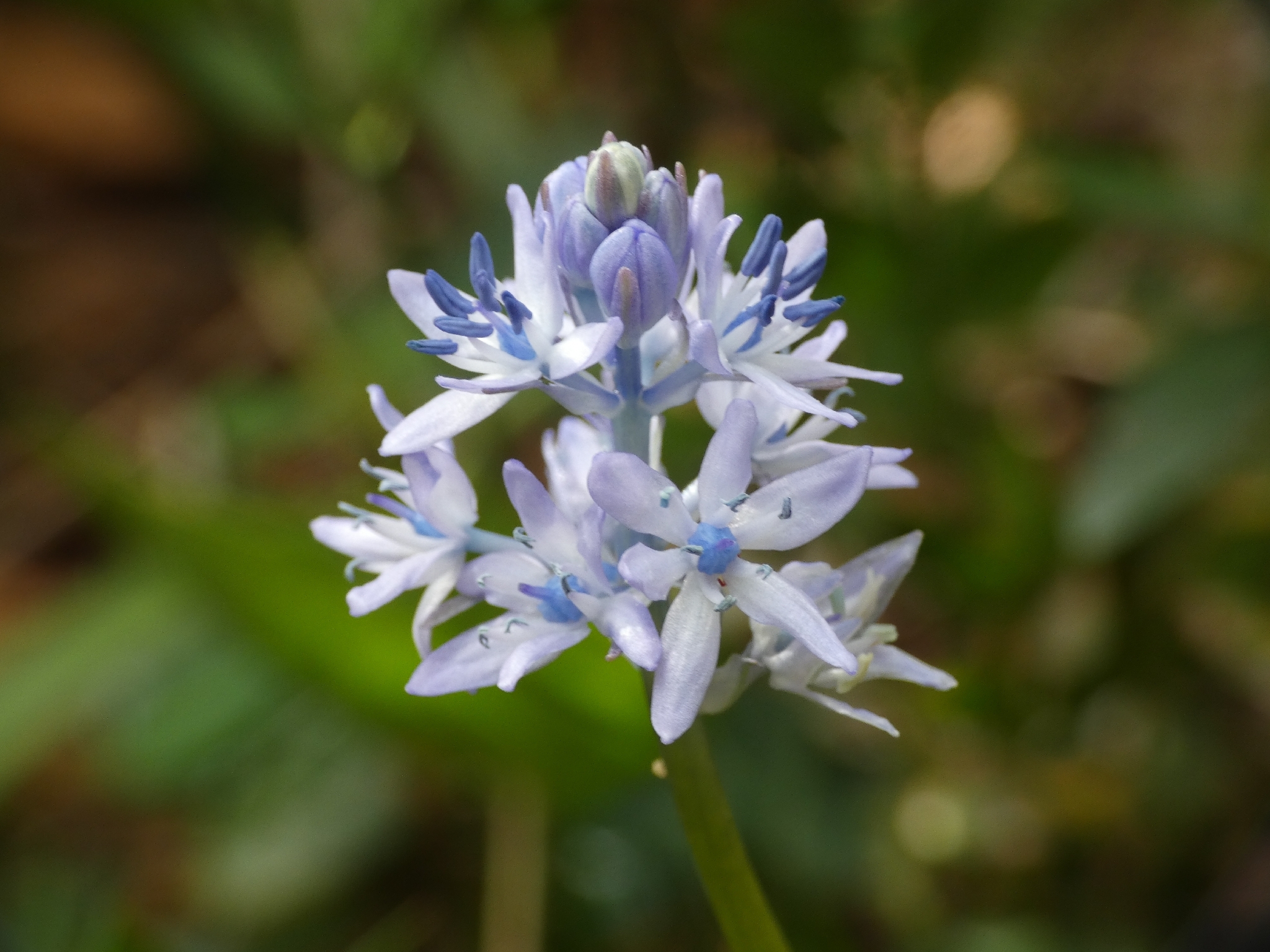
Quick facts
- Family: Asparagaceae
- Difficulty: Easy to care for
- Watering: every 7 days
- Light: Indirect light
- Temperature: 10–35 °C
- Toxicity: Toxic to pets
About Italian bluebell
Hyacinthoides italica, commonly known as Italian bluebell or Italian squill, is a charming perennial bulbous plant that produces spikes of blue or violet flowers in spring. Its delicate bell-shaped blooms and grass-like foliage make it ideal for garden borders, rockeries, or naturalizing under deciduous trees, adding a wild and elegant touch. It's perfect for creating floral carpets in semi-shaded areas.
Native range
Western Mediterranean region, including the Iberian Peninsula, France, and Italy
Care tips
It prefers a location with partial shade or light shade, especially in warmer climates, and well-drained soil rich in organic matter. Keep the substrate moist during the growth and flowering period, reducing watering once the leaves begin to yellow. Avoid waterlogging, as the bulbs are prone to rot, and do not cut the leaves until they have completely dried to allow the bulb to store energy for the next season.
How to save a dying Italian bluebell
- Warning signs
- Yellowish or soft leaves, rot at the base, no flowering or drooping flowers.
- First aid
- Check drainage. If waterlogged, remove plant, dry roots, and repot in dry, well-draining substrate.
- What kills it
- Overwatering is its main killer; the bulb rots easily. Also lack of light.
- Can it be saved?
- Yes, if you act quickly against rot. If the bulb is very soft and mushy, it will be difficult.