Spotted orchid (Dactylorhiza maculata)
Care, watering, light and tips for Spotted orchid on Floravia.
Quick facts
- Family: Orchidaceae
- Difficulty: Demanding
- Watering: every 7 days
- Light: Indirect light
- Temperature: 15–30 °C
About Spotted orchid
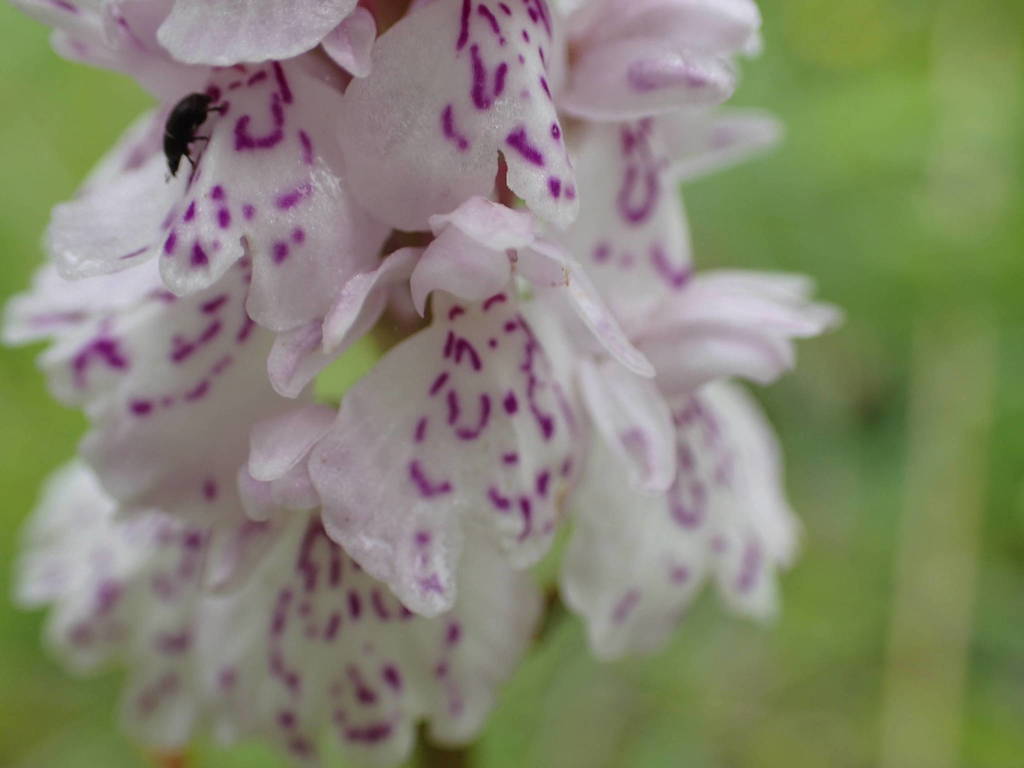
Dactylorhiza maculata, commonly known as the spotted orchid, is a fascinating terrestrial orchid featuring often-spotted leaves and flowers in variable shades from pale pink to deep purple, clustered in dense spikes. Its subtle beauty makes it an excellent choice for moist rock gardens or pond edges, adding a wild and elegant touch. It is ideal for recreating meadow or light woodland environments in temperate climates.
Native range
Europe and northern Asia
Care tips
This orchid prefers a location with partial shade or filtered light, avoiding direct midday sun which can scorch its leaves. Watering should be consistent to keep the substrate moist but never waterlogged, especially during the growth and flowering period, reducing it in winter. It requires a well-drained substrate rich in organic matter, such as a mix of peat, coarse sand, and bark; avoid strong chemical fertilizers, preferring mild organic ones. A common mistake is planting it in heavy, poorly drained soils, which leads to the rotting of its tubers.
How to save a dying Spotted orchid
- Warning signs
- Yellowish or brown, soft leaves, drooping stems, no flowering, rot at the base.
- First aid
- Check substrate for waterlogging; if wet, remove plant, trim damaged roots, repot in dry, light substrate. If dry, water lightly.
- What kills it
- Overwatering causing tuber and root rot; also intense direct sun and heavy substrates.
- Can it be saved?
- Yes, if rot hasn't advanced too far and tubers still have firm tissue. Act quickly.