Broad-leaved helleborine (Epipactis helleborine)
Care, watering, light and tips for Broad-leaved helleborine on Floravia.
Quick facts
- Family: Orchidaceae
- Difficulty: Demanding
- Watering: every 7 days
- Light: Indirect light
- Temperature: 15–30 °C
About Broad-leaved helleborine
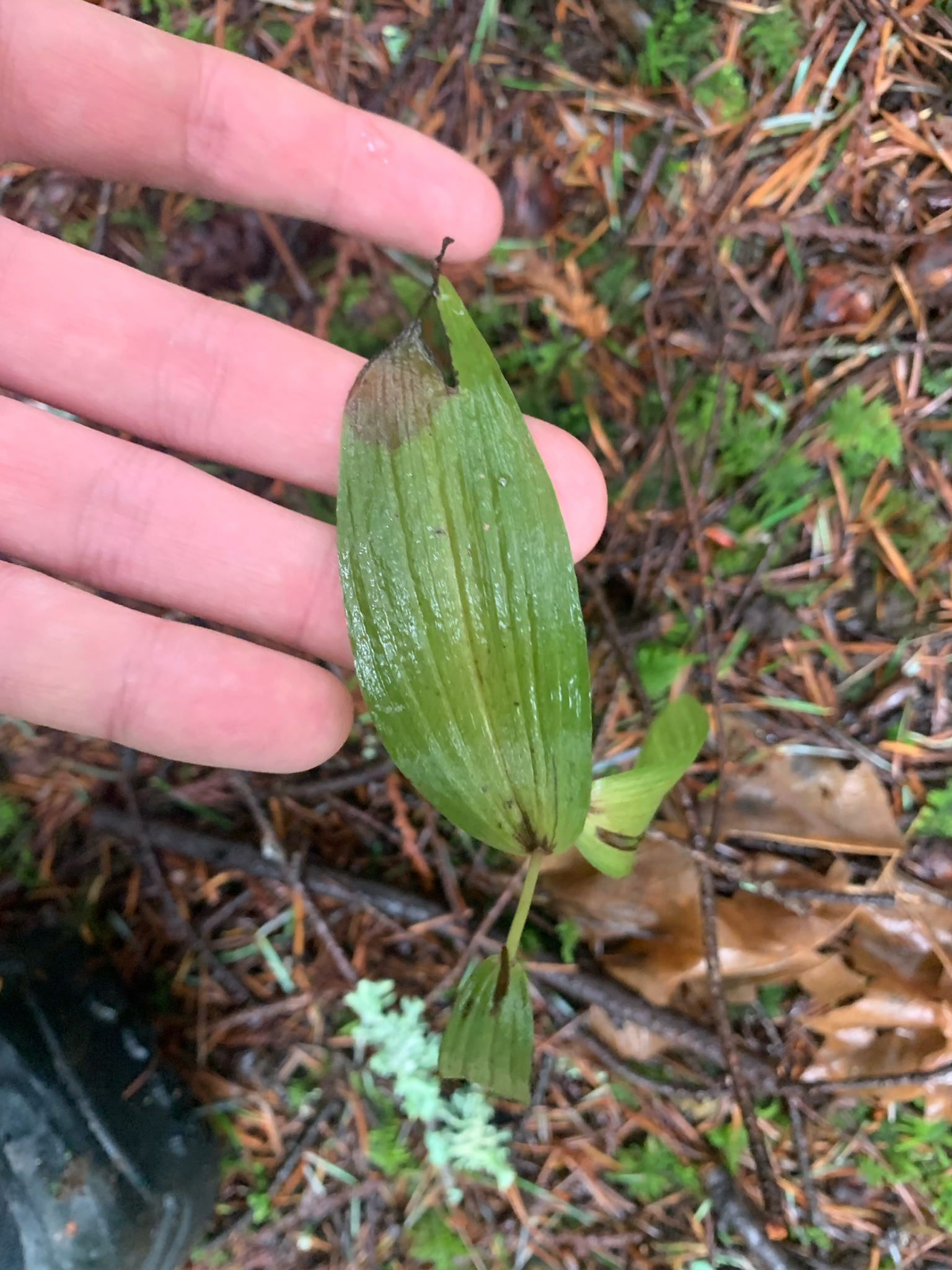
Epipactis helleborine, commonly known as broad-leaved helleborine, is a terrestrial orchid native to Europe and Asia, characterized by its upright stems and subtle green, purple, or pinkish flowers. Its elliptical leaves clasp the stem, giving it a robust yet elegant appearance. This orchid is ideal for woodland gardens or shady, moist areas, where it can naturalize and add a touch of wild beauty.
Native range
Europe, Northwest Africa, West and Central Asia
Care tips
It prefers partial to full shade, avoiding intense direct sunlight which can scorch its leaves. The substrate should be moist but well-draining, rich in organic matter, similar to forest soil; a common mistake is planting it in dry or very compacted soils. Keep the soil consistently moist during the growing season, but reduce watering in winter when the plant is dormant. Avoid over-fertilization, as it is a species that benefits from natural mycorrhizal associations in the soil.
How to save a dying Broad-leaved helleborine
- Warning signs
- Wilted, yellowing, or spotted leaves, lack of flowering, stunted growth. Often due to substrate or watering issues.
- First aid
- Check substrate (should be well-draining, rich in organic matter). If waterlogged, repot. If dry, water moderately.
- What kills it
- Waterlogged substrate is fatal for its tuberous roots. Also, lack of indirect light and extreme dry air.
- Can it be saved?
- Yes, if you act quickly. A substrate change and adjusting watering/location often revive it if roots aren't fully rotted.