Kangaroo paw (Anigozanthos flavidus)
Care, watering, light and tips for Kangaroo paw on Floravia.
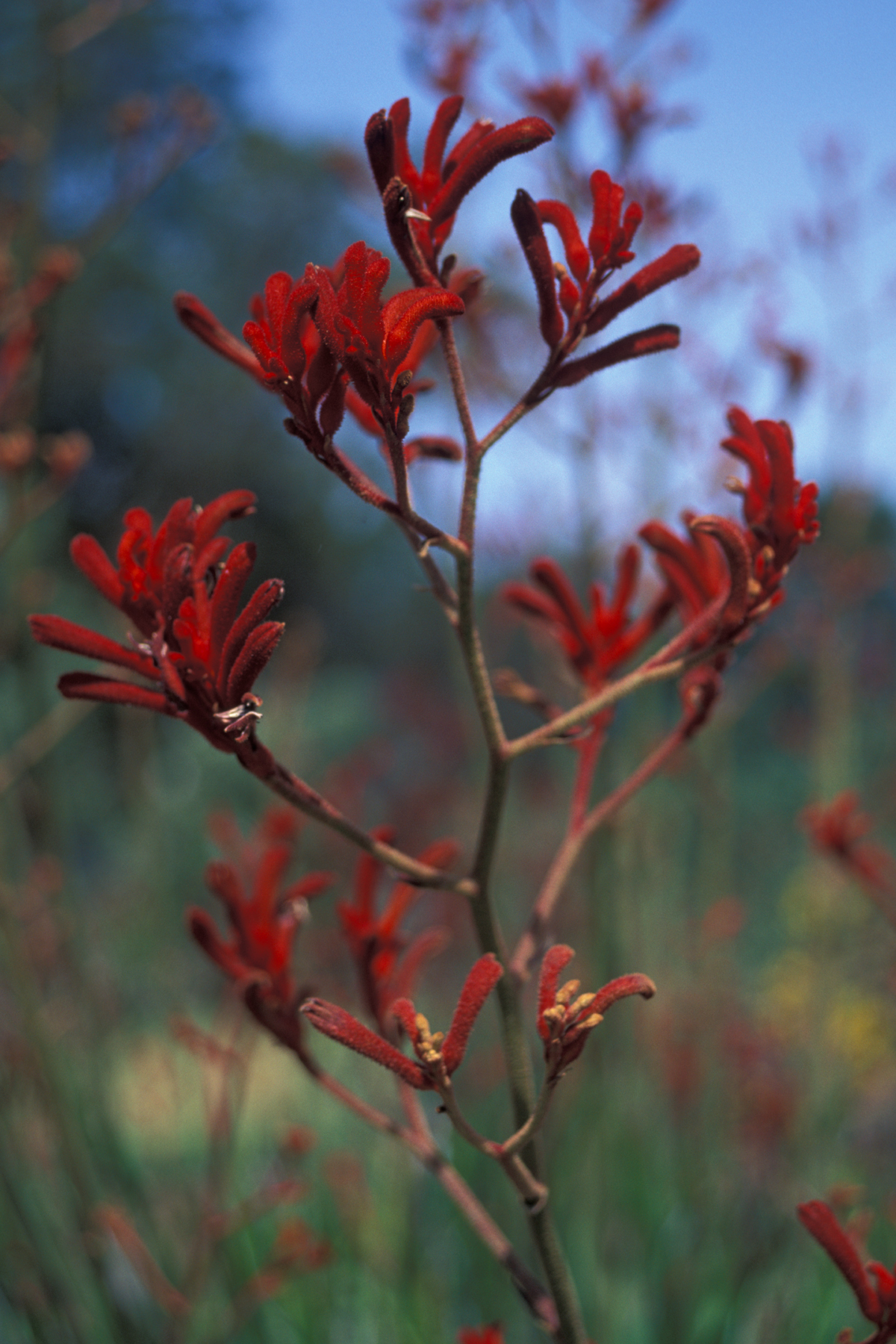
Quick facts
- Family: Haemodoraceae
- Difficulty: Moderate care
- Watering: every 7 days
- Light: Partial shade
- Temperature: 10–30 °C
About Kangaroo paw
Anigozanthos flavidus, commonly known as tall kangaroo paw, is a herbaceous perennial native to Western Australia. It is characterized by its distinctive tubular, kangaroo paw-shaped flowers that emerge on tall, branched stalks, ranging in shades from yellow-green to red. It's an excellent choice for Mediterranean-style gardens, large pots, or as a cut flower due to its durability and unique beauty.
Native range
Southwestern Australia
Care tips
It requires full sun for optimal flowering and well-drained soil, preferably sandy or loamy. Watering should be moderate once established, tolerating drought periods but appreciating regular watering in hot, dry climates. Avoid excessive moisture in the substrate, as it can lead to root rot; a common mistake is overwatering, especially in winter.
How to save a dying Kangaroo paw
- Warning signs
- Soft, yellowing or browning leaves from the base, drooping or rotting stems. Dark leaf spots may indicate fungi.
- First aid
- Check drainage. If waterlogged, carefully remove and examine roots. Prune soft or rotten parts with clean scissors.
- What kills it
- Overwatering is the main killer. Also lack of light or heavy soils that retain too much moisture.
- Can it be saved?
- Yes, if you act quickly. If roots are severely damaged, try to propagate healthy stems in moist sand.