African iris (Dietes grandiflora)
Care, watering, light and tips for African iris on Floravia.
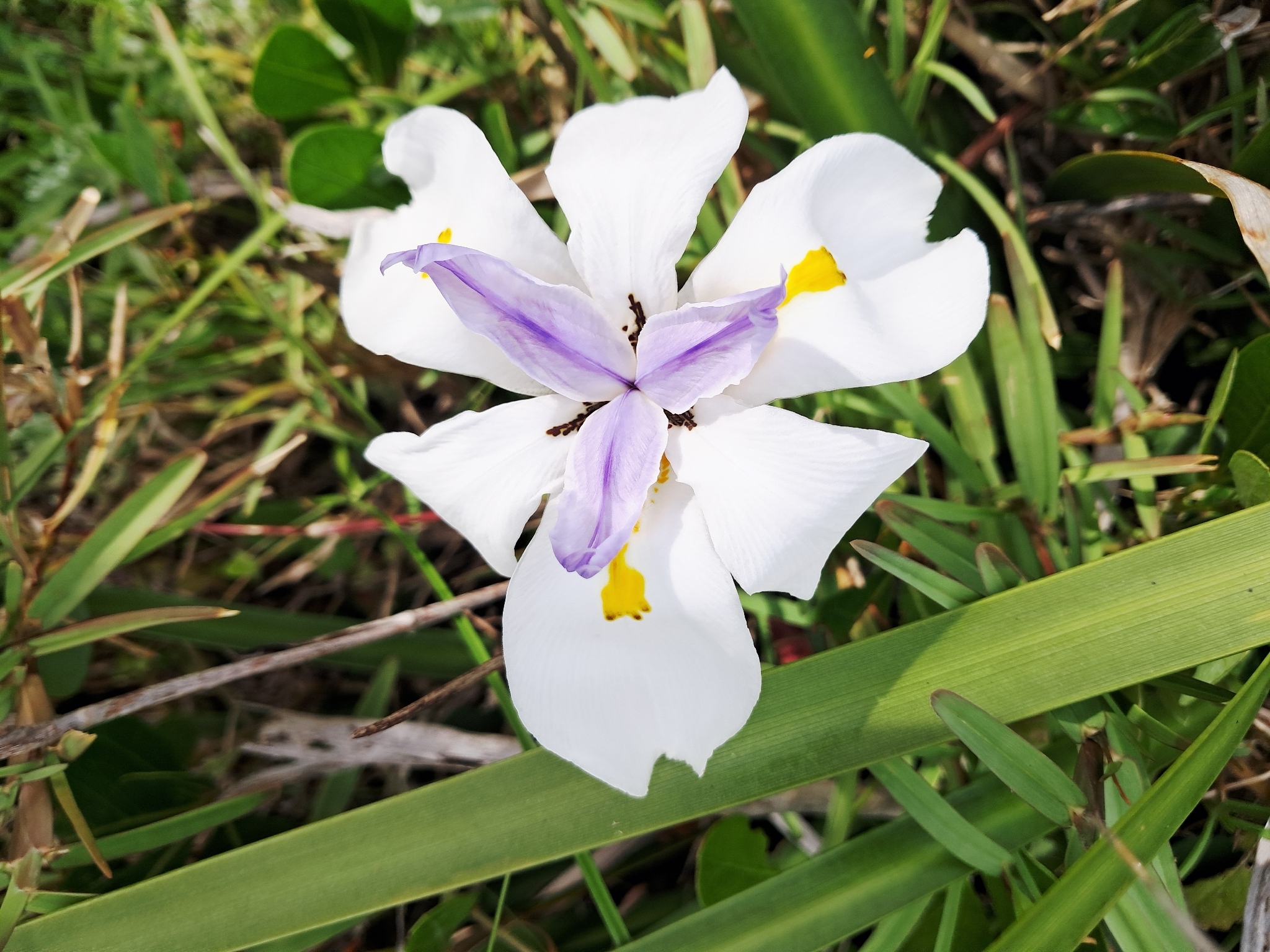
Quick facts
- Family: Iridaceae
- Difficulty: Easy to care for
- Watering: every 7 days
- Light: Partial shade
- Temperature: 10–30 °C
- Toxicity: Toxic to pets
About African iris
Dietes grandiflora, commonly known as the African iris or fairy iris, is a rhizomatous perennial plant that produces elegant white flowers with yellow and purple markings. Its sword-like foliage forms dense clumps, making it an excellent choice for borders, flower beds, or as an accent plant in Mediterranean or xeriscape gardens.
Native range
South Africa
Care tips
This species thrives in full sun to partial shade, preferring at least 6 hours of direct sunlight for optimal blooming. It is drought-tolerant once established but benefits from regular watering during dry periods, allowing the soil to dry out slightly between waterings. Use a well-draining soil mix; the common mistake to avoid is overwatering, which can lead to root rot.
How to save a dying African iris
- Warning signs
- Yellowish or brown, soft leaves, with rot at the base. Prolonged lack of flowering.
- First aid
- Remove dead leaves, check drainage, reduce watering, place in partial shade if sun is intense. Consider repotting if substrate is compacted.
- What kills it
- Overwatering and waterlogged substrate. Also scorching direct sun in very hot climates or total lack of light.
- Can it be saved?
- Yes! It's resilient. Remove damaged parts, correct watering and sun exposure. It will recover with patience.