Fragrant crocus (Crocus suaveolens)
Care, watering, light and tips for Fragrant crocus on Floravia.
Quick facts
- Family: Iridaceae
- Difficulty: Easy to care for
- Watering: every 7 days
- Light: Partial shade
- Temperature: 10–30 °C
- Toxicity: Toxic to pets
About Fragrant crocus
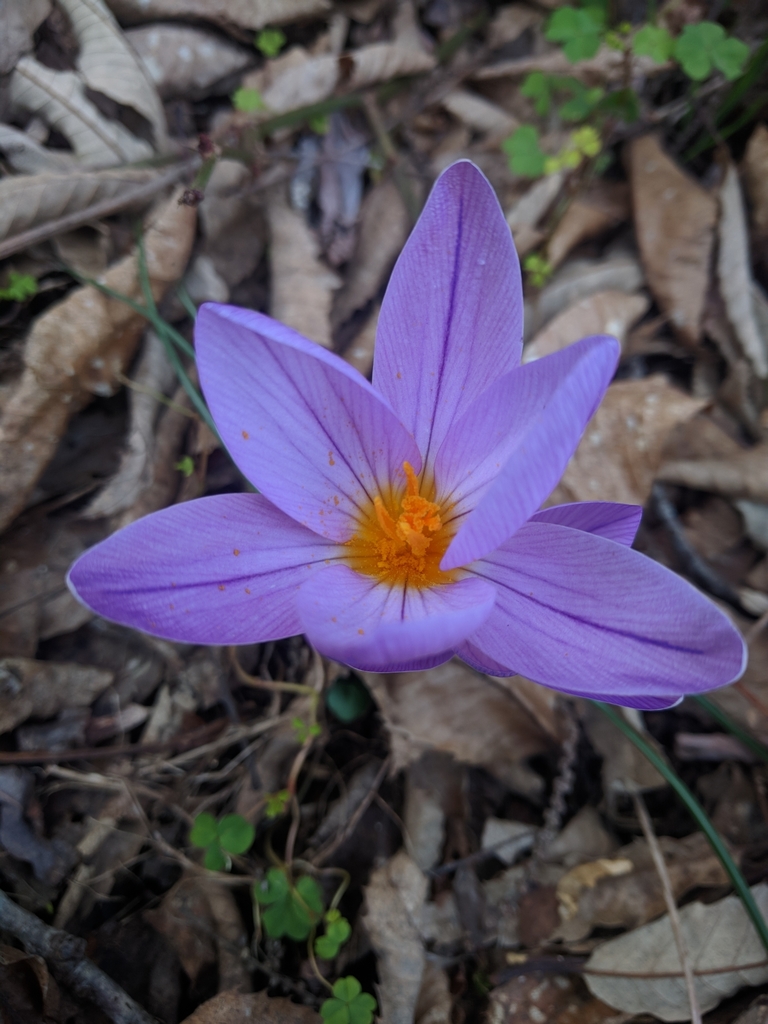
Crocus suaveolens, also known as Fragrant Crocus, is a charming bulbous plant from the Iridaceae family, valued for its delicate lilac or purple flowers that emerge in late winter or early spring. Its blooms, often with darker veins and orange stigmas, release a sweet and pleasant fragrance, making them ideal for rock gardens, path edges, or pots where their scent can be enjoyed up close. It is one of the first signs that spring is on its way, bringing color and perfume to still-dormant landscapes.
Native range
Balkan Peninsula and Turkey
Care tips
Crocus suaveolens thrives in a location with full sun or light partial shade and well-drained soil. Water moderately during its active growth period, significantly reducing once the leaves begin to yellow and the plant enters dormancy. It prefers sandy or loamy soils with good drainage, as waterlogging is the most common mistake to avoid, causing bulb rot. Allow the leaves to die back naturally after flowering for the bulb to store energy for the next season.
How to save a dying Fragrant crocus
- Warning signs
- Yellowish or soft leaves, absent or weak flowering, soft or moldy bulb. May indicate overwatering or fungal diseases.
- First aid
- Remove bulb, inspect and remove damaged parts. Replant in well-draining substrate, reduce watering. Ensure good ventilation.
- What kills it
- Overwatering is fatal. The bulb easily rots in waterlogged soil. Lack of adequate light also weakens it.
- Can it be saved?
- Yes, if the bulb still has firm, healthy parts. Act quickly at the first sign of rot to maximize its chances.