Crocus (Crocus hybridus)
Care, watering, light and tips for Crocus on Floravia.
Quick facts
- Family: Iridaceae
- Difficulty: Easy to care for
- Watering: every 7 days
- Light: Partial shade
- Temperature: 10–30 °C
- Toxicity: Toxic to pets
About Crocus
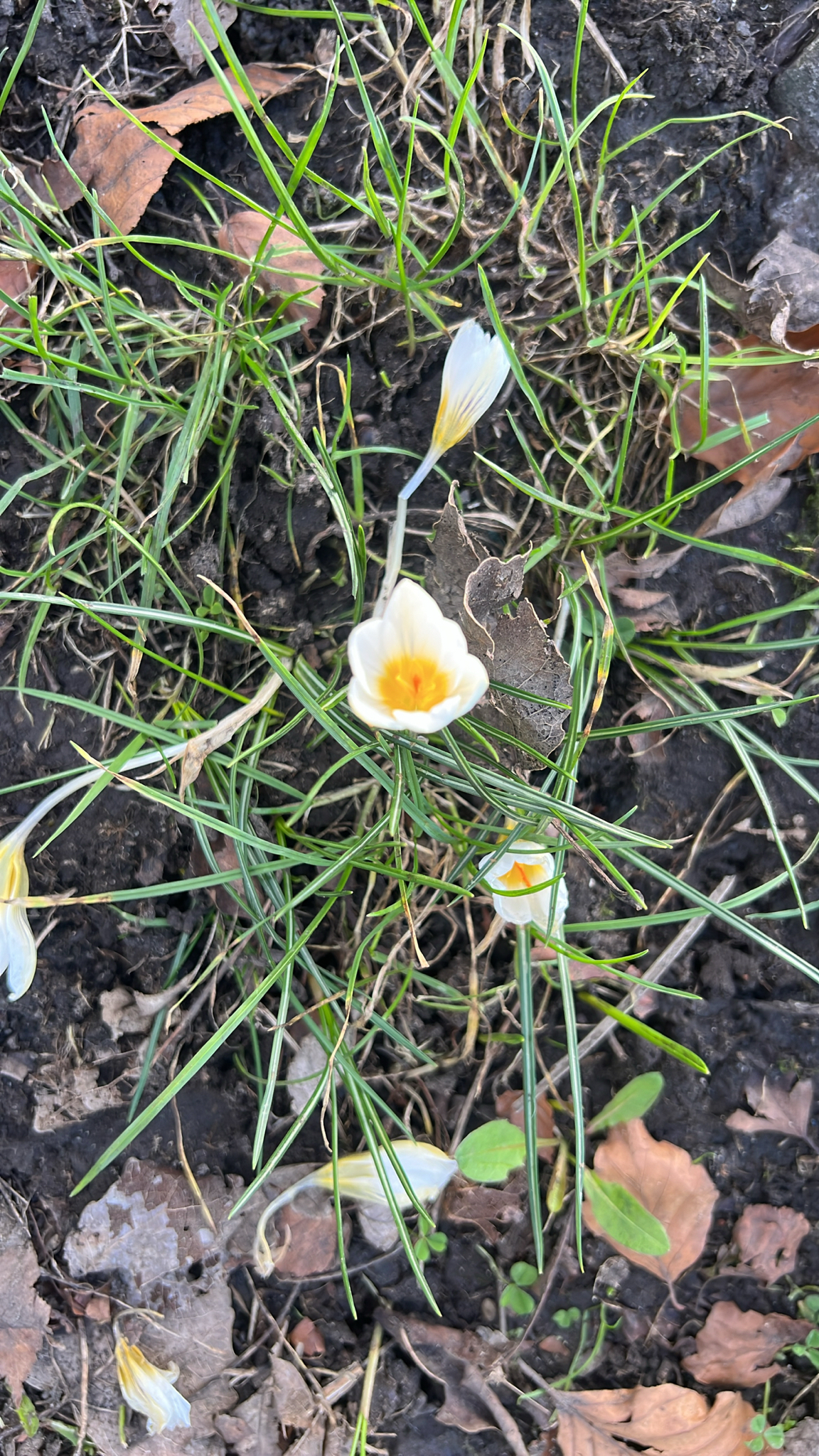
Crocus hybridus, commonly known as hybrid crocus, is an early-blooming bulbous plant that emerges in spring, often even before the snow fully melts. Its cup-shaped flowers, varying in colors from pure white and bright yellow to deep purple and bicolored combinations, provide a much-needed burst of color to the winter and spring landscape. It is ideal for rock gardens, path edges, under deciduous trees, and for naturalizing in lawns, creating a carpet-like floral effect.
Native range
Hybrid of horticultural origin, with no natural native distribution
Care tips
Plant bulbs in autumn in a location with full sun to partial shade, ensuring they receive at least 6 hours of direct sunlight during their blooming period. They prefer well-drained, sandy or loamy soil; avoid heavy, clay soils that can cause bulb rot. Water moderately during the growing period if the soil is dry, but reduce watering once the leaves begin to yellow. A common mistake is to cut the foliage after flowering; leave it intact until it withers completely so the bulb can store energy for the next season.
How to save a dying Crocus
- Warning signs
- Yellowish or soft leaves, rot at the stem base or bulbs, no flowering.
- First aid
- Remove bulb, clean roots, cut off rotten parts. Replant in fresh, well-draining soil, in a cool, bright spot.
- What kills it
- Overwatering, especially in summer dormancy. Poor drainage quickly rots the bulbs.
- Can it be saved?
- Yes, if rot hasn't affected the entire bulb. Quick action is key for recovery.