Gladiolus ceresianus
Care, watering, light and tips for Gladiolus ceresianus on Floravia.
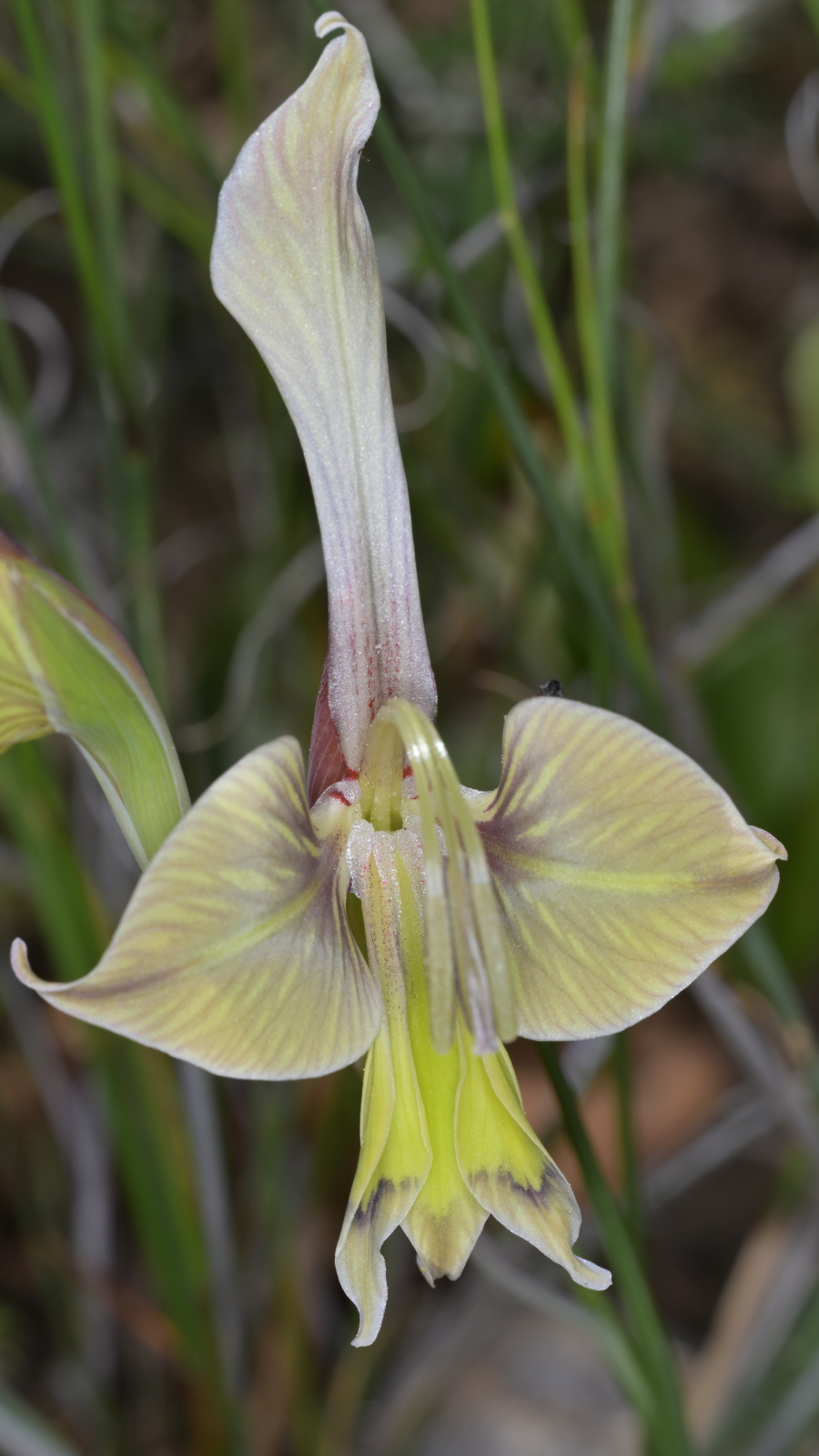
Quick facts
- Family: Iridaceae
- Difficulty: Moderate care
- Watering: every 7 days
- Light: Partial shade
- Temperature: 10–30 °C
- Toxicity: Toxic to pets
About Gladiolus ceresianus
Gladiolus ceresianus, commonly known as mečík cereský, is a native gladiolus species recognized for its elegant flower spikes in shades ranging from pale pink to purple. Its vibrant blooms bring a touch of color and sophistication to any Mediterranean-style garden or rockery. It is ideal for flower beds, borders, and as a cut flower, adding height and visual drama.
Native range
Southeastern Europe, specifically the Balkans
Care tips
It requires full sun exposure for optimal flowering, at least 6 hours of direct light daily. Watering should be moderate, allowing the substrate to dry slightly between waterings, and more abundant during flowering. It prefers well-drained, sandy or slightly clayey soils, with a neutral to slightly acidic pH. Avoid waterlogging, as it can lead to corm rot, and ensure the soil does not retain too much moisture.
How to save a dying Gladiolus ceresianus
- Warning signs
- Yellowing or wilting leaves from the base, unopened or dropping flowers, soft or moldy corms. This indicates watering or soil issues.
- First aid
- Check the corm: if soft, remove it. If soil is waterlogged, repot in fresh, well-draining soil. If dry, water deeply.
- What kills it
- Overwatering, which rots the corms, or lack of good drainage. Also planting in heavy, compact soils.
- Can it be saved?
- Yes, if you act quickly and the corm isn't completely rotted. A healthy corm is key to its recovery.