Blue-eyed grass (Sisyrinchium scabrum)
Care, watering, light and tips for Blue-eyed grass on Floravia.
Quick facts
- Family: Iridaceae
- Difficulty: Easy to care for
- Watering: every 7 days
- Light: Partial shade
- Temperature: 10–30 °C
- Toxicity: Toxic to pets
About Blue-eyed grass
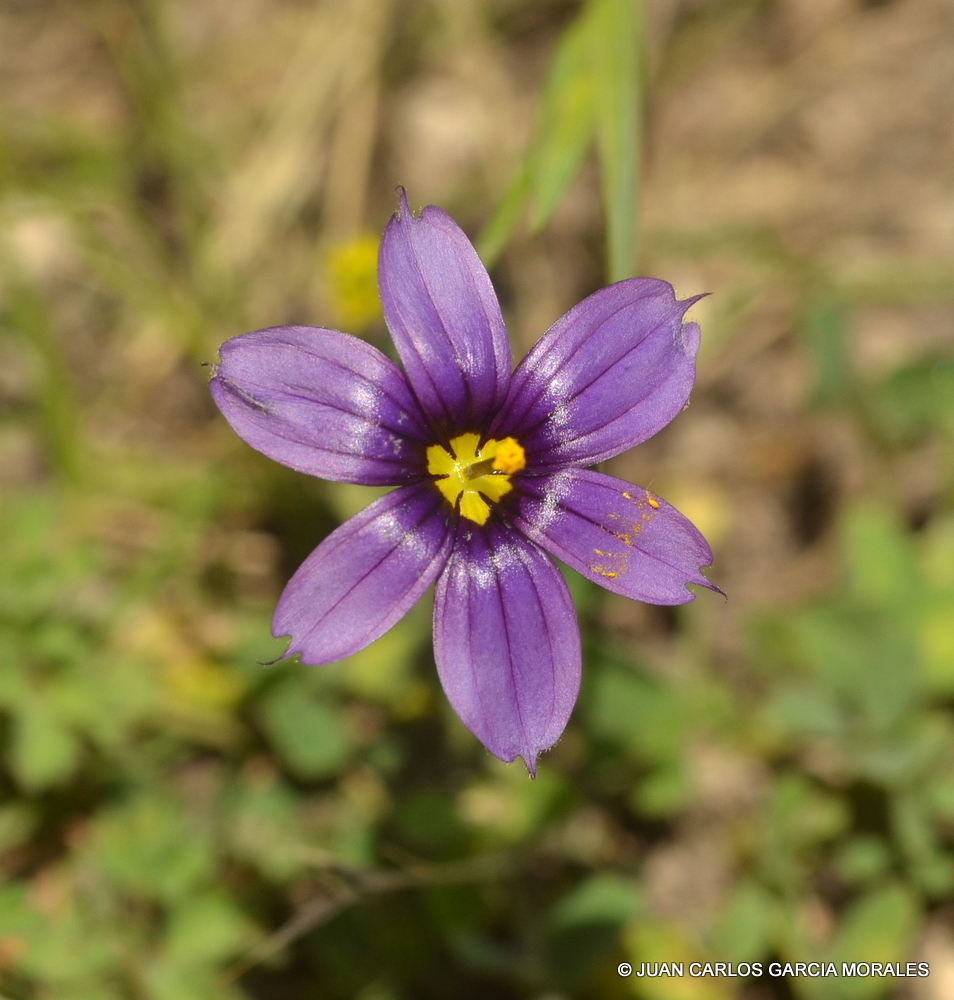
Sisyrinchium scabrum, commonly known as Blue-eyed Grass, is a herbaceous perennial plant from the Iridaceae family, producing delicate star-shaped blue or violet flowers with a yellow center. Its leaves are slender and grass-like, forming dense and attractive clumps. It is ideal for rock gardens, path edges, or as a groundcover in low-maintenance gardens.
Native range
Chile and Argentina
Care tips
It prefers full sun to partial shade, where it will flower more profusely. It requires regular watering to keep the soil moist but well-drained, especially in hot and dry climates, though it tolerates short periods of drought. The ideal substrate is well-drained and slightly sandy. A common mistake is overwatering in heavy soils, which can lead to root rot.
How to save a dying Blue-eyed grass
- Warning signs
- Yellowish or brown leaves from tips, droopy and dehydrated appearance. No blooms or tiny flowers.
- First aid
- Check drainage. If waterlogged, remove plant, clear wet soil, repot with aerated soil. If dry, water thoroughly.
- What kills it
- Overwatering is its worst enemy, quickly rotting roots. Also constant waterlogging.
- Can it be saved?
- Yes! If roots aren't completely rotted, it can recover with good drainage and moderate watering.