Easter lily (Lilium longiflorum)
Care, watering, light and tips for Easter lily on Floravia.
Quick facts
- Family: Liliaceae
- Difficulty: Moderate care
- Watering: every 3 days
- Light: Partial shade
- Temperature: 10–30 °C
- Toxicity: Toxic to pets
About Easter lily
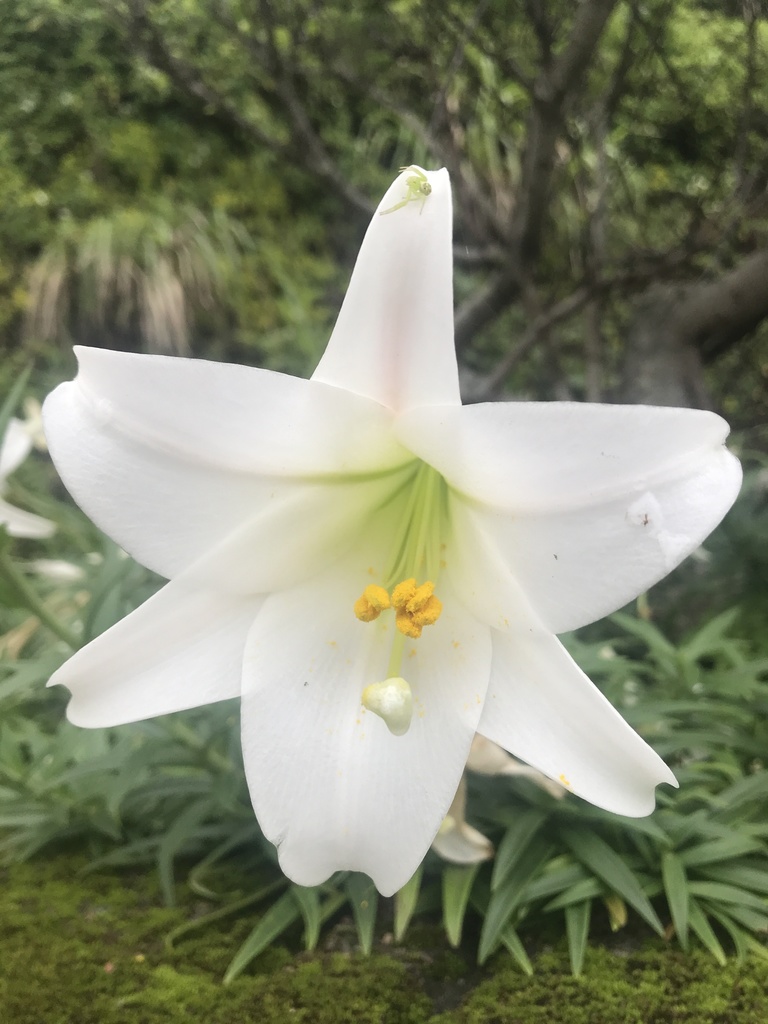
Lilium longiflorum, commonly known as Easter Lily or St. Joseph Lily, is a perennial bulbous plant celebrated for its large, fragrant, trumpet-shaped white flowers that bloom in spring and early summer. Native to Japan and Taiwan, it is widely cultivated for its ornamental beauty and use in floral arrangements, especially during Easter festivities. Its elegant stems and pure white blooms make it ideal for pots, garden borders, or as a cut flower indoors.
Native range
Japan and Taiwan
Care tips
This plant requires a location with full sun to partial shade, preferably with the top of the plant exposed to sun and the base shaded. The soil should be well-drained, rich in organic matter, and slightly acidic to neutral, avoiding waterlogging which can rot the bulb. Keep the substrate moist during growth and flowering, reducing watering once the flowers have faded. A common mistake is overwatering when the plant is dormant, leading to bulb rot.
How to save a dying Easter lily
- Warning signs
- Yellow leaves from base, soft stems, flower buds not opening or dropping. Soft, dark roots.
- First aid
- Remove plant from pot. Inspect roots, cut off rotten ones. Repot with fresh, well-draining soil. Reduce watering.
- What kills it
- Overwatering is the main culprit. Also, insufficient light and poor drainage.
- Can it be saved?
- Yes, if you act quickly. Root rot is reversible in early stages. With care and patience, it can recover.