Saw greenbrier (Smilax bona-nox)
Care, watering, light and tips for Saw greenbrier on Floravia.
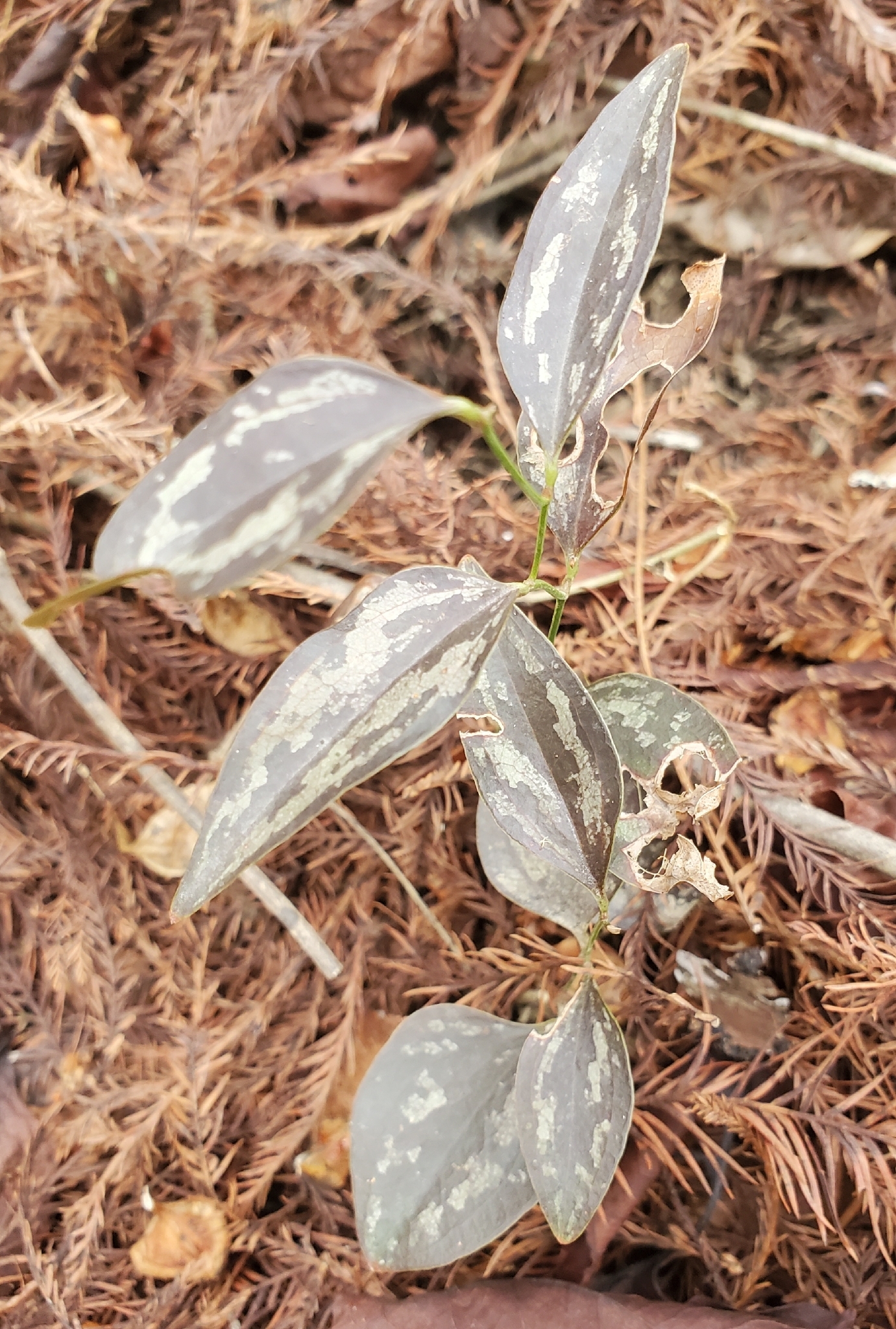
Quick facts
- Family: Smilacaceae
- Difficulty: Easy to care for
- Watering: every 7 days
- Light: Partial shade
- Temperature: 10–30 °C
About Saw greenbrier
Smilax bona-nox, commonly known as saw greenbrier or catbrier, is a woody, perennial vine native to the southeastern United States. It is characterized by its thorny stems, leathery leaves, and dark fruits that persist into winter, providing excellent wildlife cover. This plant is ideal for creating defensive hedges, covering fences, or as an understory plant in wild gardens, offering a rustic and resilient texture.
Native range
Southeastern United States
Care tips
This species is extremely adaptable and low-maintenance. It prefers locations with partial to full sun exposure, although it tolerates dense shade, where its growth will be less vigorous. Watering should be moderate once established, as it is drought-tolerant, and it thrives in a wide range of soils, from sandy to clayey, as long as they have good drainage. A common mistake is to underestimate its vigor and spreading capacity, so pruning is recommended to control its size if grown in limited spaces.
How to save a dying Saw greenbrier
- Warning signs
- Yellowing or browning, wilted leaves, soft stems. May indicate overwatering or compacted soil.
- First aid
- Check drainage. Reduce watering if soil is moist. If potted, consider repotting to one with good drainage.
- What kills it
- Constant waterlogging suffocates its roots. Also, complete lack of water during prolonged drought.
- Can it be saved?
- Yes, if roots are not completely rotted. Gentle pruning of damaged parts can help it recover.