Ashwagandha (Withania somnifera)
Care, watering, light and tips for Ashwagandha on Floravia.
Quick facts
- Family: Solanaceae
- Difficulty: Easy to care for
- Watering: every 7 days
- Light: Full sun
- Temperature: 10–35 °C
- Toxicity: Toxic to pets
About Ashwagandha
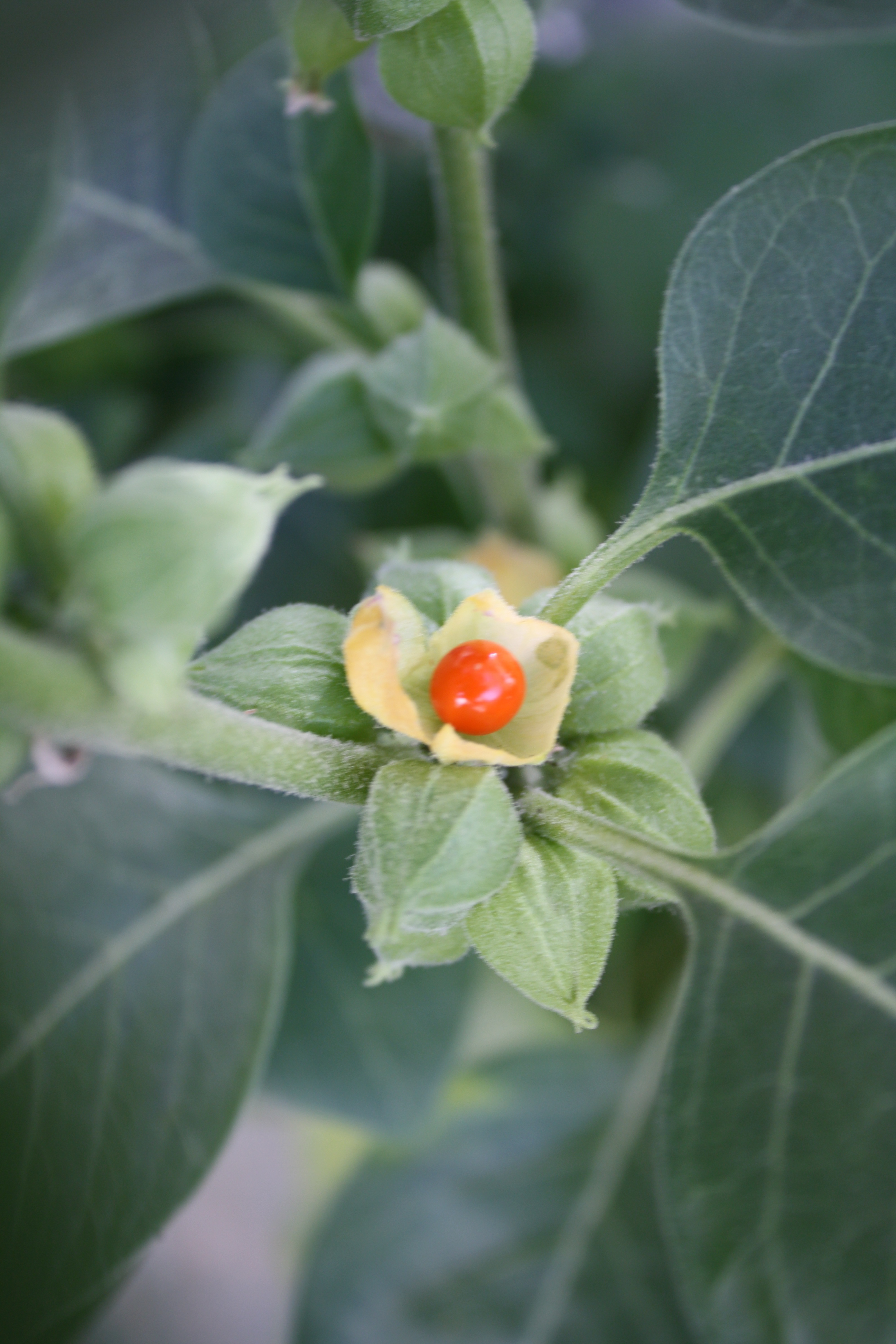
Withania somnifera, commonly known as Ashwagandha or Indian Ginseng, is a small to medium-sized perennial shrub, valued for its medicinal properties. Its leaves are oval-shaped and grayish-green, while its flowers are small and greenish or yellowish, giving way to small, red berries. It is ideal for medicinal plant gardens, urban allotments, or as part of a xeriscape landscape, thanks to its drought resistance.
Native range
Arid and semi-arid regions of Africa, the Middle East, and India.
Care tips
It requires full sun for optimal growth, although it can tolerate some partial shade in very hot climates. Watering should be moderate; it is a drought-tolerant plant, so it is crucial to avoid waterlogging, allowing the substrate to dry out completely between waterings. It prefers well-drained, sandy or loamy soils, with a neutral to slightly alkaline pH. A common mistake is overwatering, which can lead to root rot, especially in winter.
How to save a dying Ashwagandha
- Warning signs
- Yellow or wilting leaves, soft stems, stunted growth.
- First aid
- Check drainage and soil moisture. Move to indirect light and stable temperature.
- What kills it
- Overwatering causing root rot; lack of light or extreme temperatures.
- Can it be saved?
- Yes, if roots are not completely rotted and you act quickly.