Night-blooming jasmine (Cestrum citrifolium)
Care, watering, light and tips for Night-blooming jasmine on Floravia.
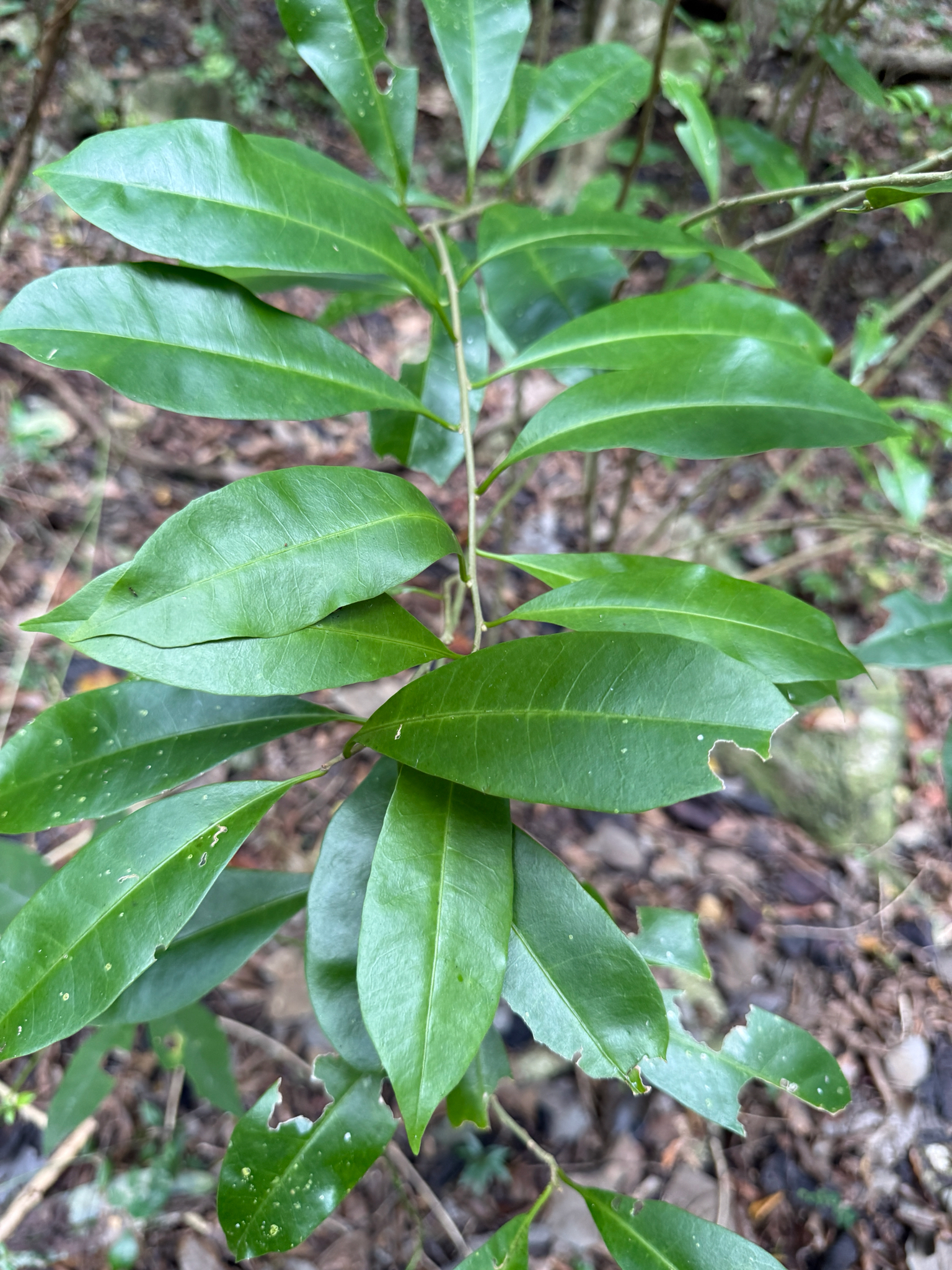
Quick facts
- Family: Solanaceae
- Difficulty: Easy to care for
- Watering: every 3 days
- Light: Full sun
- Temperature: 10–35 °C
- Toxicity: Toxic to pets
About Night-blooming jasmine
Cestrum citrifolium, commonly known as yellow night-blooming jasmine or lemon-scented cestrum, is a perennial shrub belonging to the Solanaceae family, native to the Americas. It is noted for its clusters of pale yellow to cream tubular flowers, which release an intense, sweet fragrance, especially at dusk. It is ideal for perfuming gardens, patios, and balconies, or as part of an aromatic hedge.
Native range
Tropical South America, from Colombia and Venezuela to southern Brazil and northern Argentina.
Care tips
This plant thrives in full sun to partial shade for abundant flowering, and requires well-drained, fertile, and slightly acidic soil. Watering should be regular, keeping the substrate moist but not waterlogged, especially during flowering and active growth periods. Light pruning after flowering will help maintain its shape and encourage new blooms, preventing the accumulation of dry branches that can reduce flowering.
How to save a dying Night-blooming jasmine
- Warning signs
- Yellow or drooping leaves, soft shoots, no flowering. Night-blooming Jasmine is hardy, but these are stress signals.
- First aid
- Check watering (avoid soggy or dry soil), light (needs sun, but not harsh midday), and temperature (dislikes frost). Prune dead branches.
- What kills it
- Overwatering causing root rot or complete lack of light. Also, extreme cold and persistent frost.
- Can it be saved?
- Yes, it's very resilient! With proper care, it recovers. Be patient and consistent with watering and placement.