Cape gooseberry (Physalis peruviana)
Care, watering, light and tips for Cape gooseberry on Floravia.
Quick facts
- Family: Solanaceae
- Difficulty: Easy to care for
- Watering: every 3 days
- Light: Full sun
- Temperature: 10–35 °C
- Toxicity: Toxic to pets
About Cape gooseberry
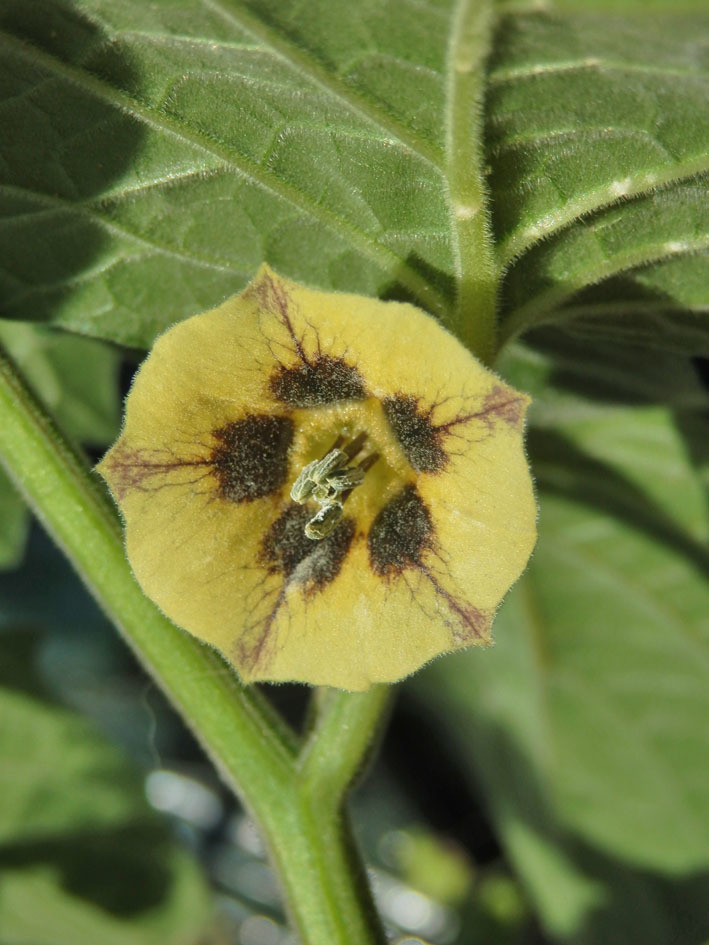
Physalis peruviana, commonly known as Cape Gooseberry or Goldenberry, is a perennial fruiting shrub from the Solanaceae family, prized for its delicious orange berries encased in a papery calyx. Its leaves are velvety and its flowers small and yellow. It is perfect for orchards, edible gardens, or even as an ornamental plant in large pots, adding an exotic and productive touch.
Native range
The Andes of South America, especially in Peru and Colombia.
Care tips
It requires full sun for optimal fruiting and well-drained, slightly acidic soil rich in organic matter. Watering should be regular, keeping the substrate moist but not waterlogged, especially during flowering and fruiting. Avoid excessive nitrogen, which can promote leaf growth at the expense of fruit; a balanced fertilizer or one rich in phosphorus and potassium is preferable. A common mistake is the lack of pruning, which can lead to an overly dense plant with reduced fruit production.
How to save a dying Cape gooseberry
- Warning signs
- Yellow or drooping leaves, general wilting, small or no fruits. Could be due to over or under-watering.
- First aid
- Check soil moisture. If dry, water deeply. If waterlogged, repot to dry, aerated soil.
- What kills it
- Constant waterlogging or prolonged drought. Also lack of direct sun or nutrient-poor soil.
- Can it be saved?
- Yes, if you act quickly. Good drainage and proper watering are key. Ensure full sun and fertilizer.