Coast redwood (Sequoia sempervirens)
Care, watering, light and tips for Coast redwood on Floravia.
Quick facts
- Family: Cupressaceae
- Difficulty: Demanding
- Watering: every 7 days
- Light: Partial shade
- Temperature: 10–30 °C
About Coast redwood
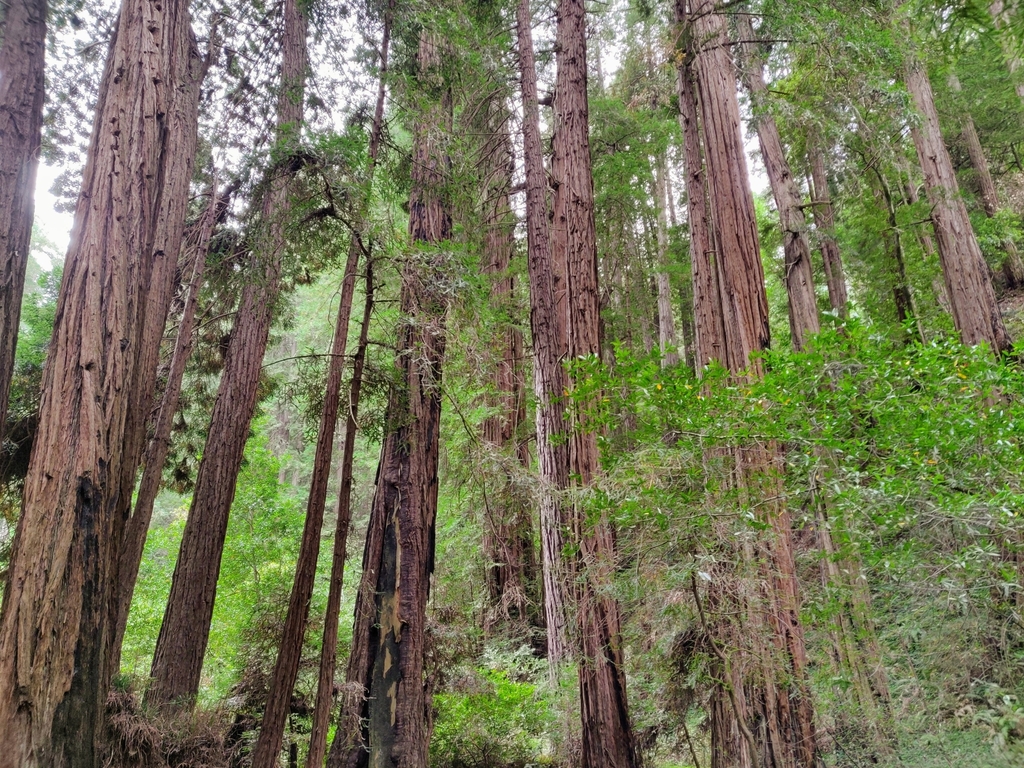
Sequoia sempervirens, or California Redwood, is a majestic and long-lived tree, renowned as the tallest tree species in the world. It features a straight, thick trunk with fibrous reddish-brown bark and dense green needle-like foliage, giving it an imposing appearance. It is ideal for large parks, botanical gardens, or extensive properties where a lasting visual impact and deep shade are desired.
Native range
Pacific coast of North America, from southern Oregon to central California, United States.
Care tips
It requires full sun to partial shade and prefers temperate climates with high atmospheric humidity, tolerating coastal fogs well. Watering should be abundant and regular, especially during the first few years and in dry periods, to keep the soil consistently moist but well-drained. It thrives in deep, fertile, and slightly acidic soils. Absolutely avoid water stress and prolonged dryness, as it is crucial for its survival and growth.
How to save a dying Coast redwood
- Warning signs
- Brown, dry, brittle needles, especially at the base; massive needle drop; branches drying from tips.
- First aid
- Deep, consistent watering (avoid waterlogging); place in semi-shade if sun is intense; check soil drainage.
- What kills it
- Prolonged drought or poor soil moisture; full exposure to strong sun and dry wind in hot climates.
- Can it be saved?
- Yes, if main branches are still flexible and hidden green shoots exist. Act quickly.