American arborvitae (Thuja occidentalis)
Care, watering, light and tips for American arborvitae on Floravia.
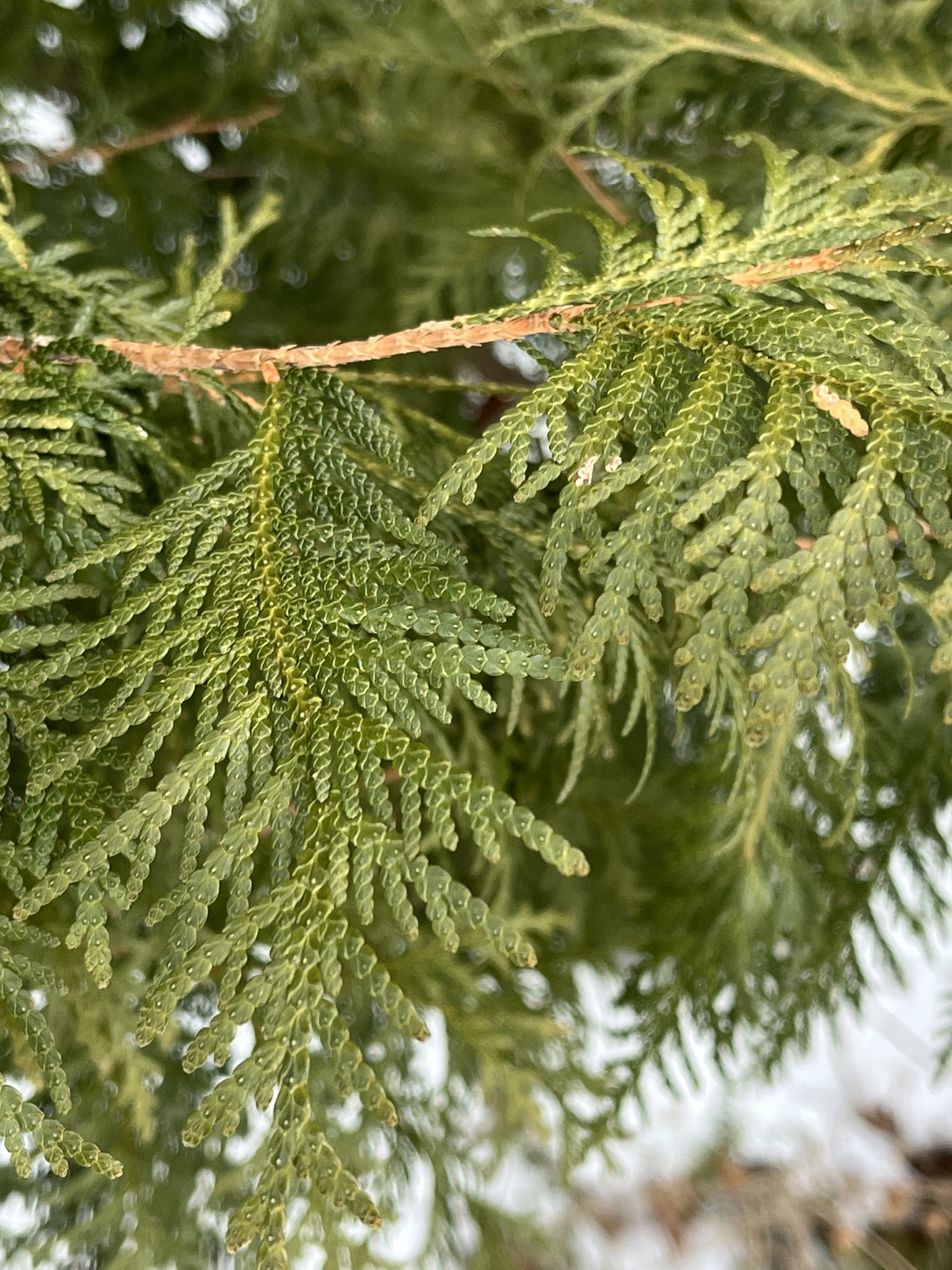
Quick facts
- Family: Cupressaceae
- Difficulty: Easy to care for
- Watering: every 7 days
- Light: Partial shade
- Temperature: 10–30 °C
- Toxicity: Toxic to pets
About American arborvitae
Thuja occidentalis, also known as American arborvitae or white cedar, is an evergreen conifer native to eastern North America. It is characterized by its columnar or pyramidal shape and dense, bright green foliage, which may turn bronze in winter. It is an excellent choice for creating hedges, privacy screens, or as an ornamental tree in gardens.
Native range
Northeastern North America (southeastern Canada and northeastern United States)
Care tips
It prefers full sun to partial shade for optimal growth and dense foliage. It needs well-drained, moist, and slightly acidic to neutral soil, avoiding waterlogging which can cause root rot. Water regularly, especially during dry periods and in its first years of establishment, but reduce watering in winter. Avoid excessive and severe pruning, as inner branches may not sprout again if cut too deeply.
How to save a dying American arborvitae
- Warning signs
- Dry or brown inner branches, yellow tips, foliage loss.
- First aid
- Check watering, ensure good soil drainage. Prune dry branches.
- What kills it
- Over or under-watering, drought stress, or poor soil.
- Can it be saved?
- Yes, if detected early and the issue is corrected.