Eastern redcedar (Juniperus virginiana)
Care, watering, light and tips for Eastern redcedar on Floravia.
Quick facts
- Family: Cupressaceae
- Difficulty: Easy to care for
- Watering: every 7 days
- Light: Partial shade
- Temperature: 10–30 °C
- Toxicity: Toxic to pets
About Eastern redcedar
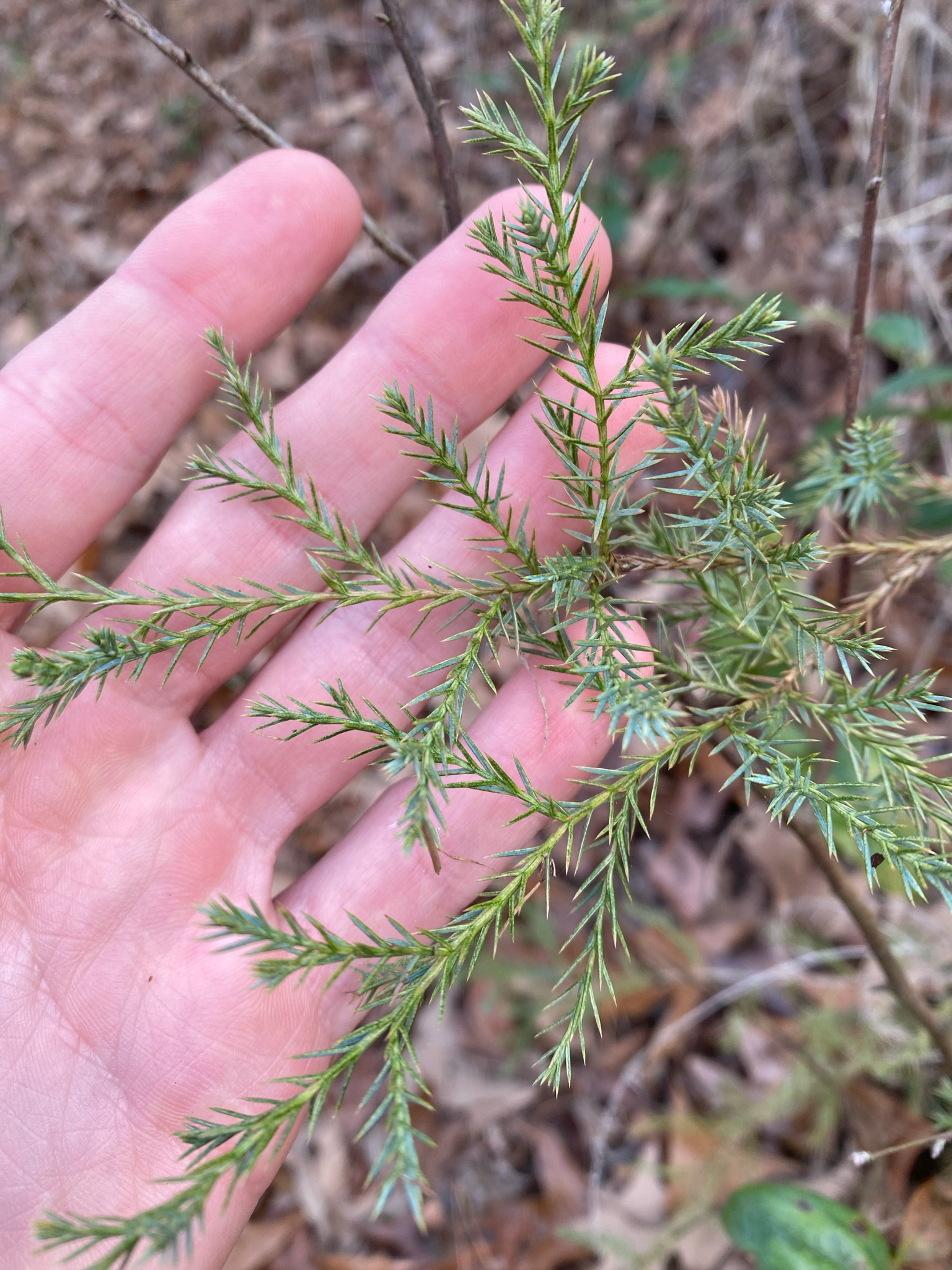
Juniperus virginiana, commonly known as Eastern Redcedar or Red Cedar, is an evergreen conifer with a pyramidal to columnar shape that can reach significant heights. Its scale-like needles are dark green, often developing a bluish or bronze tint in winter. It's an excellent choice for windbreaks, hedges, or as a standalone specimen in large gardens and naturalistic landscapes.
Native range
Eastern North America, from southeastern Canada to the Gulf of Mexico
Care tips
It thrives in full sun for optimal growth and good foliage density, tolerating some light shade. It is extremely drought-tolerant once established, so watering should be sparse and only when the soil is dry; overwatering is its main enemy. It adapts to a wide range of soils, from sandy to clay, as long as they have good drainage. Avoid planting it in areas with persistent waterlogging, as this can lead to root rot.
How to save a dying Eastern redcedar
- Warning signs
- Brown, dry, brittle needles falling excessively. Entire sections of foliage drying out.
- First aid
- Check soil moisture. If dry, water deeply. If potted, check drainage. Prune dead branches.
- What kills it
- Consistent over or under-watering. Insufficient sun or poor soil drainage. Root rot is common.
- Can it be saved?
- Yes, if roots are still healthy and main trunk isn't completely dry. Act quickly.