Austrocedrus chilensis
Care, watering, light and tips for Austrocedrus chilensis on Floravia.
Quick facts
- Family: Cupressaceae
- Difficulty: Moderate care
- Watering: every 7 days
- Light: Partial shade
- Temperature: 10–30 °C
- Toxicity: Toxic to pets
About Austrocedrus chilensis
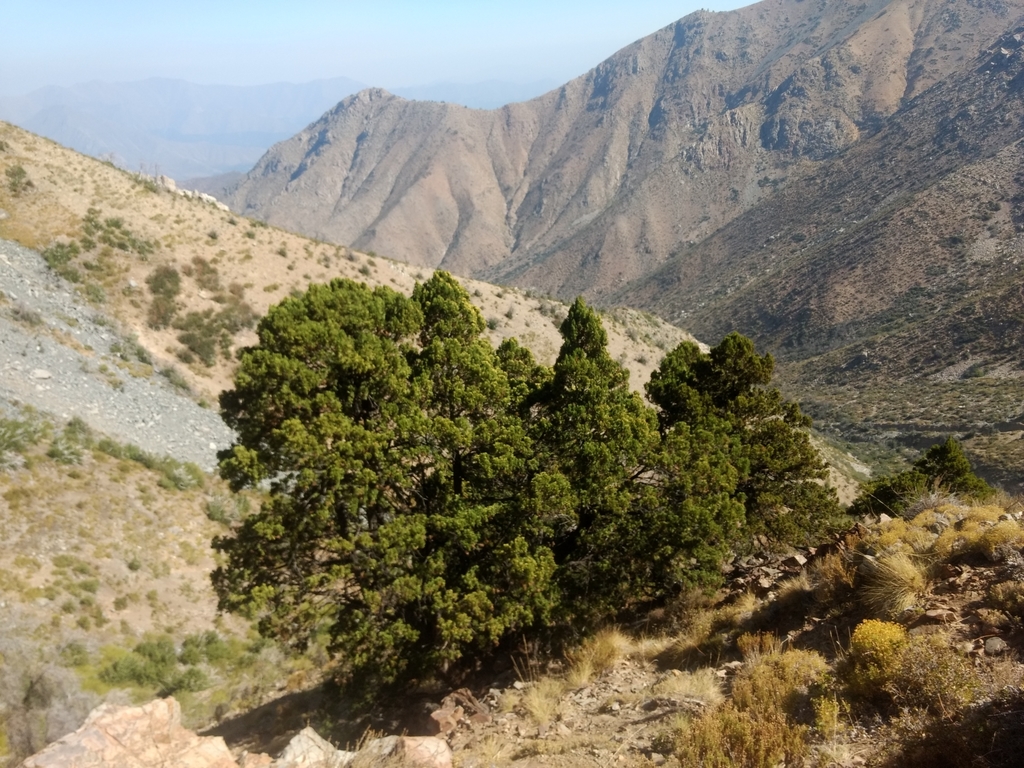
Austrocedrus chilensis, known as Chilean Cedar or Cordilleran Cypress, is a slow-growing, evergreen coniferous tree native to the Andes of Chile and Argentina. It features dense, dark green foliage with small, flattened scales and reddish bark that peels off in strips, providing significant ornamental value. It is ideal for parks, large gardens, and as a specimen tree, where its pyramidal or columnar habit can be fully appreciated.
Native range
Chile and Argentina
Care tips
It prefers full sun to partial shade exposure and well-drained, slightly acidic to neutral soils. It is drought-tolerant once established but will benefit from regular watering during its first few years and in periods of extreme heat. Avoid waterlogging, as it is susceptible to root rot. A common mistake is planting it in heavy or very wet soils, which will compromise its health.
How to save a dying Austrocedrus chilensis
- Warning signs
- Yellowish or brown, dry, brittle needles that fall easily. Entire branches drying out. General decline of the canopy.
- First aid
- Check soil drainage and moisture. Ensure good air circulation. Protect from intense direct sun if young. Water deeply if soil is dry.
- What kills it
- Constant waterlogging (root rot), prolonged drought in young or recently planted specimens, and lack of protection from strong winds and late frosts.
- Can it be saved?
- Yes, if acted upon promptly. Check the root system; if not rotted, there is hope. Improve drainage and exposure.