Japanese cedar (Cryptomeria japonica)
Care, watering, light and tips for Japanese cedar on Floravia.
Quick facts
- Family: Cupressaceae
- Difficulty: Moderate care
- Watering: every 7 days
- Light: Partial shade
- Temperature: 10–30 °C
About Japanese cedar
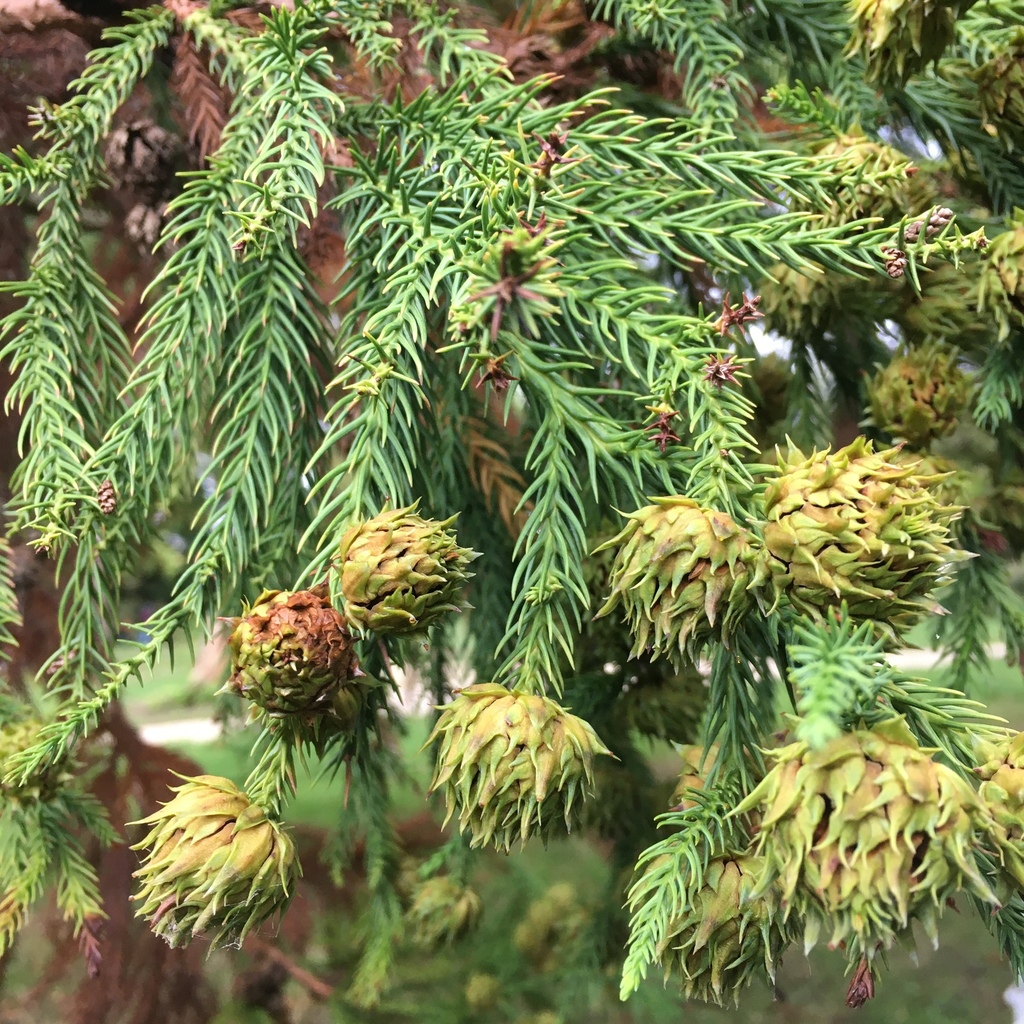
Cryptomeria japonica, also known as Japanese cedar, is a majestic evergreen coniferous tree native to Japan. It is characterized by its elegant conical shape, dense foliage of short, soft bright green needles that can turn bronze in winter, and fibrous reddish-brown bark that peels in strips. It is an excellent choice as an ornamental tree in large gardens, parks, or as a specimen plant, creating an imposing focal point and adding distinctive texture to the landscape.
Native range
Japan and China
Care tips
It prefers full sun exposure or light partial shade, especially in very warm climates. It needs fertile, well-drained, and slightly acidic soil, maintaining consistent moisture but avoiding waterlogging; young specimens appreciate regular watering. Although drought-tolerant once established, supplemental watering during prolonged dry periods is beneficial. Avoid calcareous or compacted soils, as they can negatively affect its growth.
How to save a dying Japanese cedar
- Warning signs
- Brown, dry, brittle needles falling; entire branches drying from the bottom up.
- First aid
- Check watering (moist but not waterlogged soil), protect from intense direct sun if potted, improve humidity.
- What kills it
- Prolonged drought or constant waterlogging, suffocating roots. Intolerant to salinity.
- Can it be saved?
- Yes, if main branches are still flexible and there are green shoots, act quickly.