Quina (Cinchona pubescens)
Care, watering, light and tips for Quina on Floravia.
Quick facts
- Family: Rubiaceae
- Difficulty: Demanding
- Watering: every 7 days
- Light: Partial shade
- Temperature: 10–30 °C
- Toxicity: Toxic to pets
About Quina
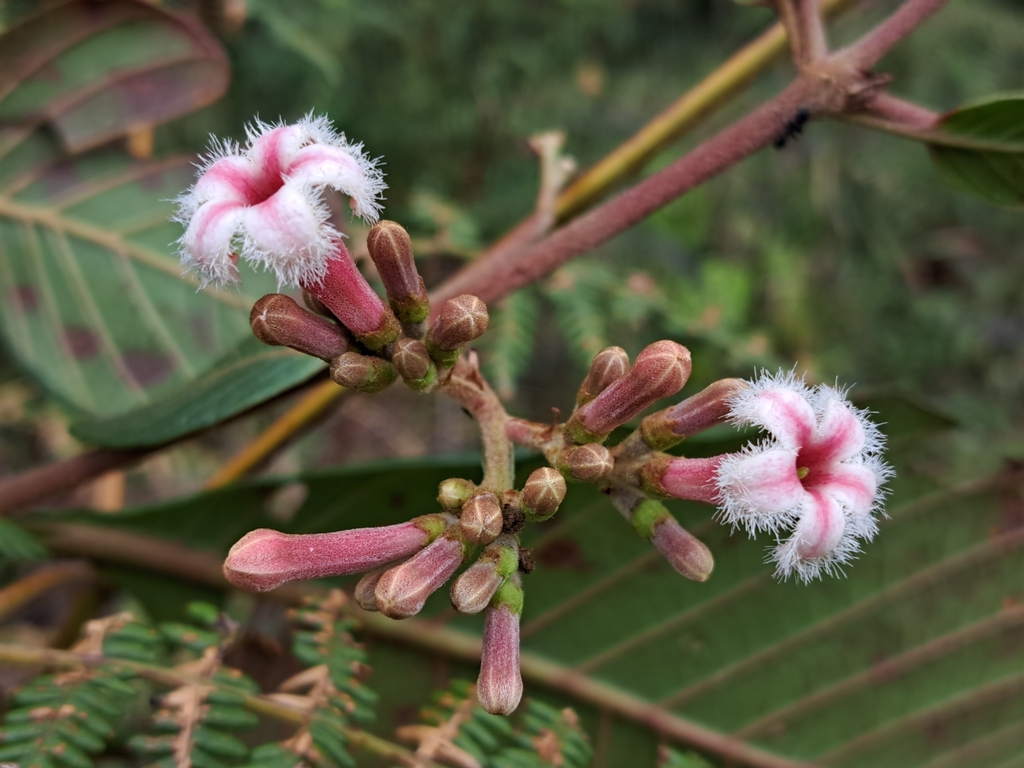
Cinchona pubescens, also known as red cinchona, is an evergreen tree native to the Andes, renowned for its bark from which quinine is extracted. It features large, glossy leaves and pink or reddish flowers in panicles, creating an attractive contrast. It is ideal for spacious tropical or subtropical gardens, where its majestic stature and medicinal history can be appreciated.
Native range
Tropical South America (Andes of Colombia, Ecuador, Peru, and Bolivia)
Care tips
It requires full sun to partial shade and a warm, humid climate, avoiding frost. The soil should be acidic, well-drained, and rich in organic matter, kept consistently moist but not waterlogged. A common mistake is insufficient ambient humidity and watering, which can lead to leaf drop and poor growth. Protect from strong winds and provide nutrients regularly during the growing season.
How to save a dying Quina
- Warning signs
- Yellowish or brown leaves, wilting, young leaf drop, stunted growth.
- First aid
- Check drainage and watering (keep soil moist, not waterlogged). Ensure high humidity and partial shade.
- What kills it
- Prolonged dry soil, intense direct sun exposure, or lack of ambient humidity.
- Can it be saved?
- Yes, if the issue is corrected quickly. It's sensitive to drastic changes.