Canary bellflower (Canarina canariensis)
Care, watering, light and tips for Canary bellflower on Floravia.
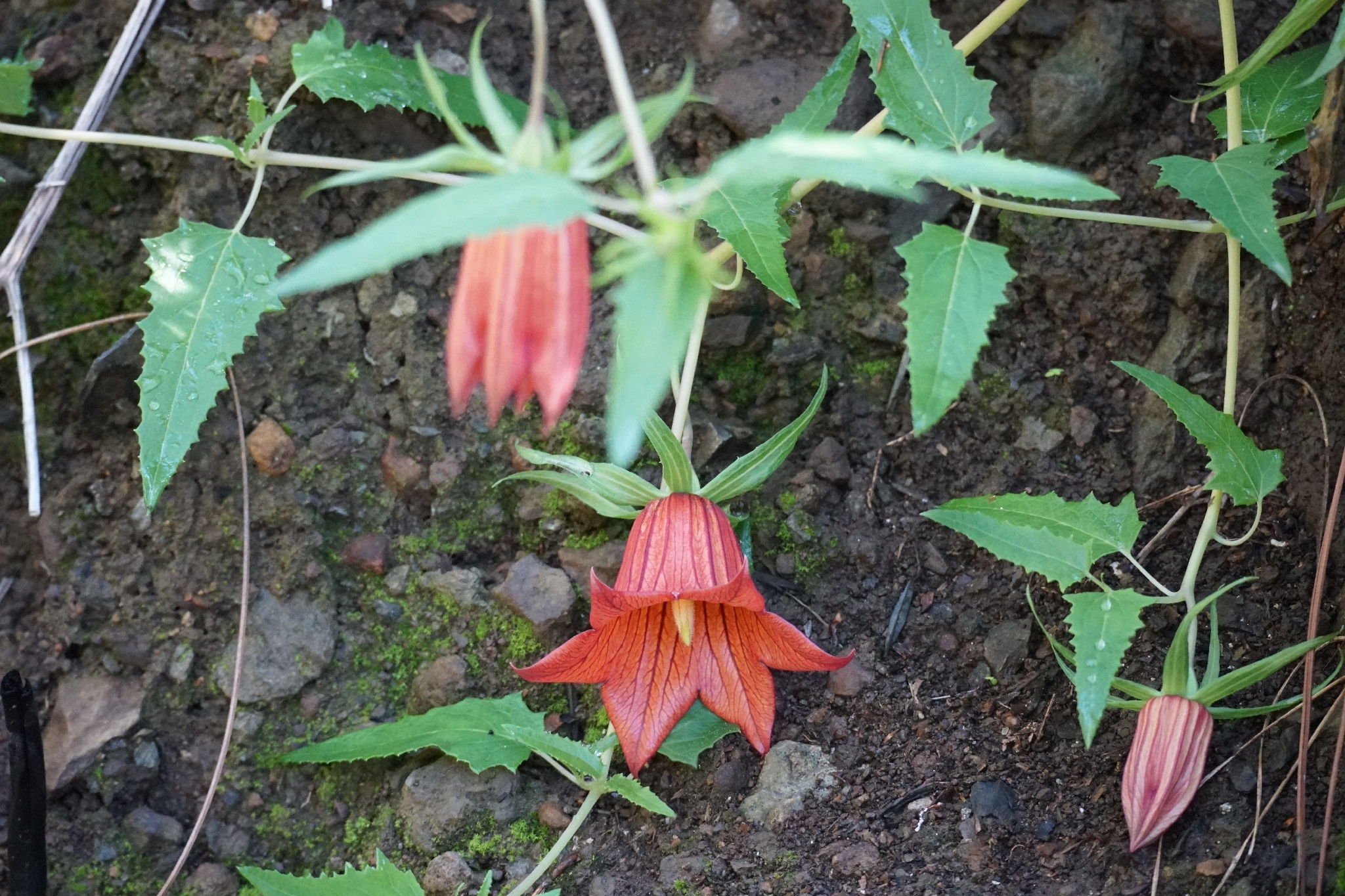
Quick facts
- Family: Campanulaceae
- Difficulty: Moderate care
- Watering: every 3 days
- Light: Partial shade
- Temperature: 10–30 °C
- Toxicity: Toxic to pets
About Canary bellflower
Canarina canariensis, commonly known as Canary Bellflower or kanarieklocka, is a perennial herbaceous plant endemic to the Canary Islands. It is notable for its attractive, bell-shaped flowers, ranging from intense orange to reddish, which hang elegantly from trailing or climbing stems. It is ideal for hanging baskets, shaded rock gardens, or as ground cover in subtropical gardens, adding an exotic and vibrant touch.
Native range
Canary Islands
Care tips
It prefers partial to full shade, especially in warm climates, as direct sun can scorch its leaves. It requires well-drained soil, rich in organic matter, and consistent moisture; avoid waterlogging, which can lead to root rot. Water regularly during its active growing period, reducing frequency in winter when the plant may enter a dormant state. A common mistake is exposing it to frost, as it is cold-sensitive and prefers mild temperatures.
How to save a dying Canary bellflower
- Warning signs
- Soft, yellowing leaves or brown spots. Bud or flower drop. Stunted growth.
- First aid
- Check drainage. If waterlogged, remove plant and aerate roots. If dry, water moderately.
- What kills it
- Overwatering and poor drainage, rotting its delicate tuberous roots. Also extreme dryness.
- Can it be saved?
- Yes, if you act quickly. It's resilient, but won't tolerate prolonged waterlogging.