Canterbury bells (Campanula medium)
Care, watering, light and tips for Canterbury bells on Floravia.
Quick facts
- Family: Campanulaceae
- Difficulty: Moderate care
- Watering: every 4 days
- Light: Partial shade
- Temperature: 10–30 °C
About Canterbury bells
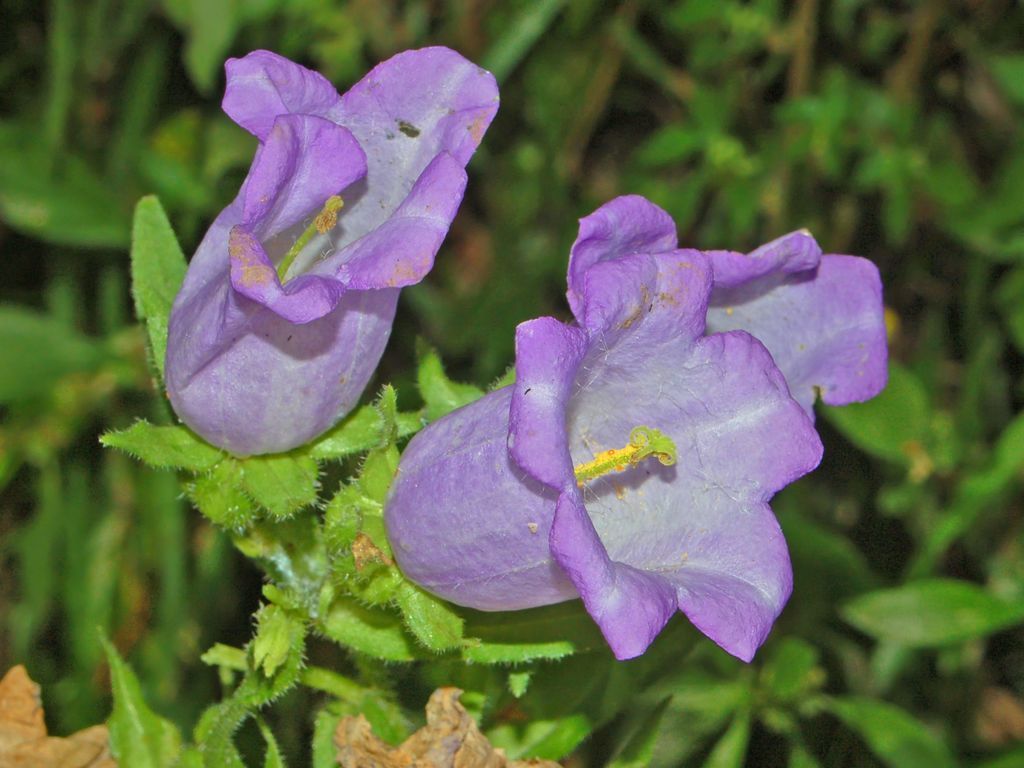
Campanula medium, commonly known as Canterbury Bells, is a striking biennial plant renowned for its large, bell-shaped flowers that bloom in a wide array of colors, including blue, pink, white, and purple. Its upright stems and abundant flowering make it ideal for garden borders, beds, and as a cut flower, adding a classic and elegant touch. It's perfect for cottage-style gardens or for adding verticality and color to any arrangement.
Native range
Southern Europe
Care tips
It prefers full sun to partial shade, with at least 4-6 hours of direct sunlight daily for optimal flowering. Watering should be regular, keeping the soil moist but not waterlogged, especially during its growth and flowering period; reduce watering in winter. It needs well-drained, fertile, and slightly alkaline to neutral soil. A common mistake to avoid is overwatering, which can lead to root rot, and not deadheading spent blooms, which can prolong flowering.
How to save a dying Canterbury bells
- Warning signs
- Yellowish or brown, wilting, lifeless leaves. Lack of flowering or dropped blooms.
- First aid
- Move to partial shade, check soil moisture (not waterlogged or dry), improve ventilation. Remove damaged leaves/flowers.
- What kills it
- Excessive direct sun and high temperatures. Inadequate watering (too much or too little) and poor drainage.
- Can it be saved?
- Yes, if you act quickly. It's quite resilient. Review its conditions and adjust care.