Rampion bellflower (Campanula rapunculus)
Care, watering, light and tips for Rampion bellflower on Floravia.
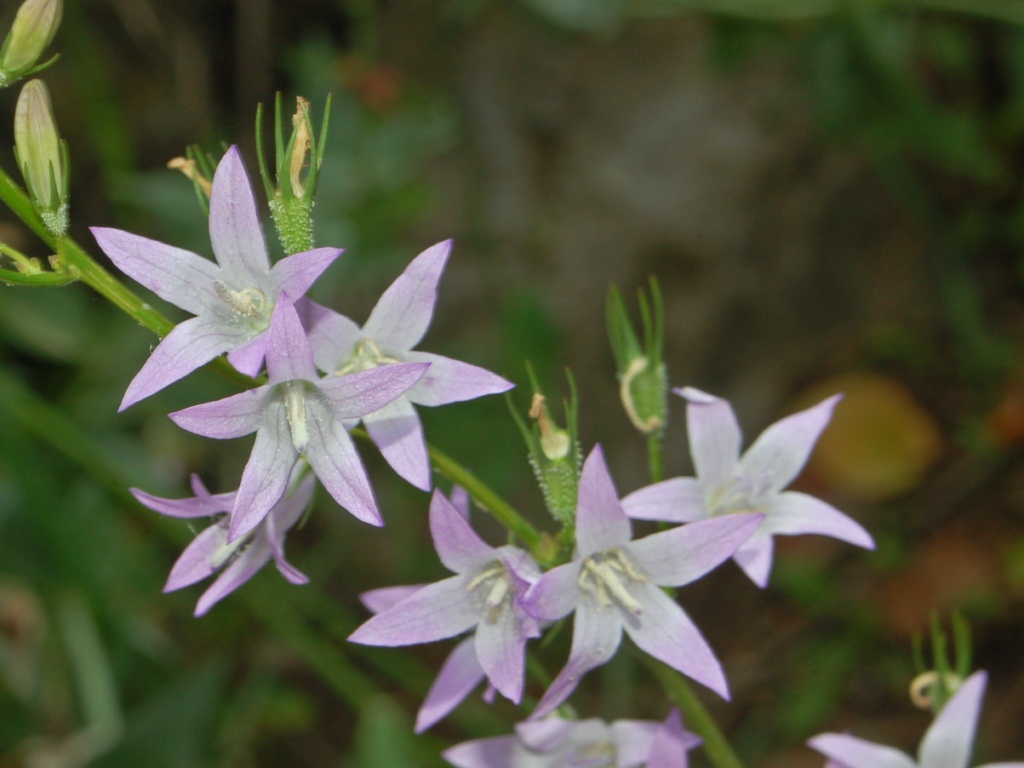
Quick facts
- Family: Campanulaceae
- Difficulty: Moderate care
- Watering: every 4 days
- Light: Partial shade
- Temperature: 10–30 °C
About Rampion bellflower
Campanula rapunculus, commonly known as rampion bellflower, is a biennial or short-lived perennial herbaceous plant, prized for its delicate, bell-shaped flowers ranging from pale blue to violet. Its erect, slender stems can reach up to 1 meter in height, adorned with lanceolate leaves. It is ideal for cottage gardens, path edges, or as part of naturalized meadows, adding a wild and charming touch.
Native range
Europe and North Africa
Care tips
It prefers full sun to partial shade, thriving in well-drained and slightly alkaline soils. Watering should be moderate, allowing the substrate to dry out slightly between waterings, though it tolerates short periods of drought once established. Avoid waterlogging, as it can lead to root rot. A common mistake is planting it in heavy, clayey soils without improving drainage, which will compromise its growth.
How to save a dying Rampion bellflower
- Warning signs
- Wilting or yellowing leaves, soft stems, scarce or no flowering. May indicate overwatering or lack of light.
- First aid
- Check drainage and soil moisture. Ensure bright indirect light. Remove damaged leaves.
- What kills it
- Constant waterlogging of roots is fatal. Also, inadequate light and excessive heat.
- Can it be saved?
- Yes! If acted upon promptly by correcting watering and location, it can recover.