Lenga beech (Nothofagus pumilio)
Care, watering, light and tips for Lenga beech on Floravia.
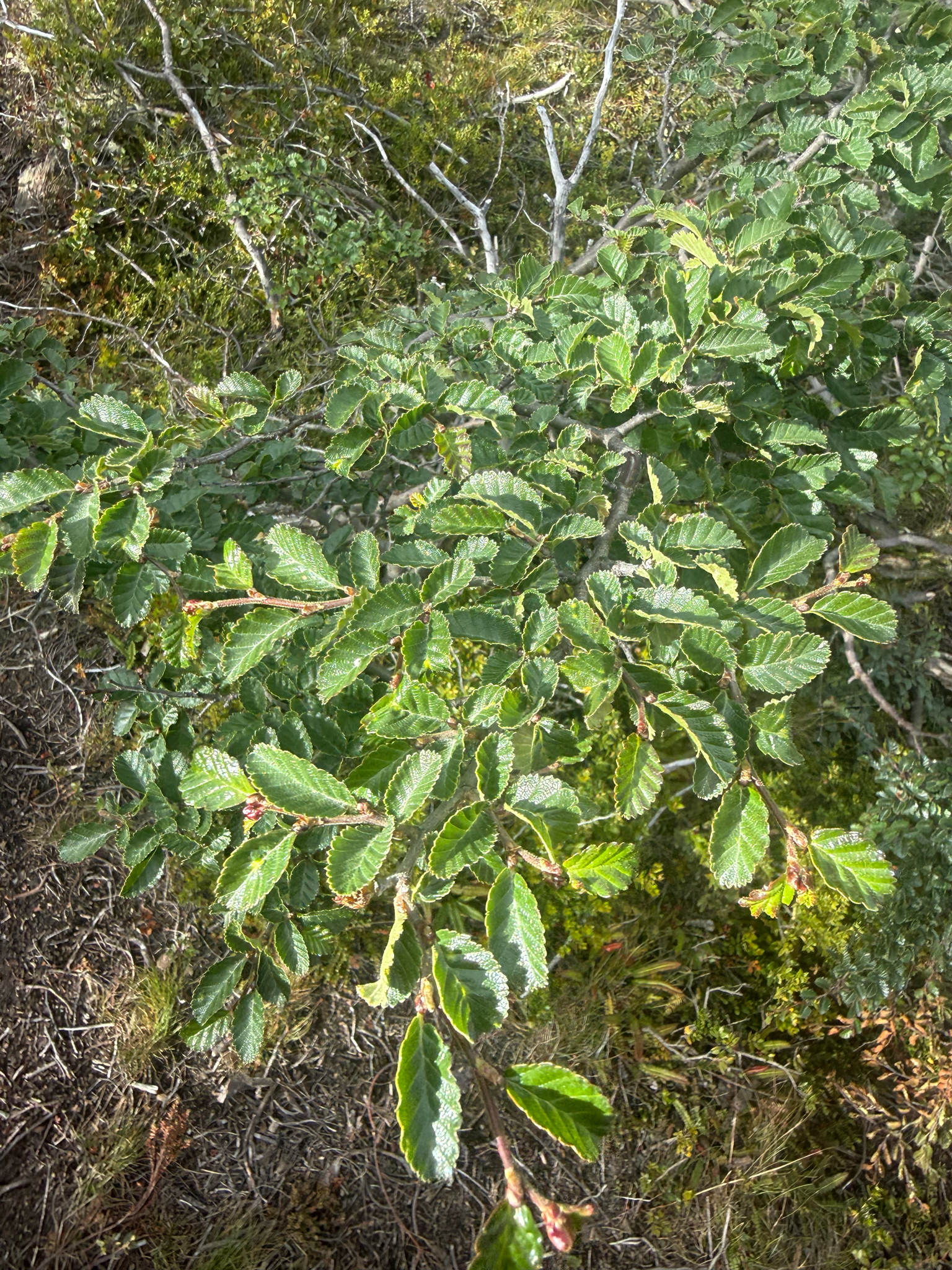
Quick facts
- Family: Nothofagaceae
- Difficulty: Demanding
- Watering: every 7 days
- Light: Partial shade
- Temperature: 10–30 °C
About Lenga beech
Nothofagus pumilio, commonly known as Lenga Beech, is a deciduous tree native to the Patagonian Andes. It stands out for its spectacular autumn foliage, which turns brilliant shades of red and orange, making it a magnificent specimen for large gardens or parks in cold and temperate climates, where its seasonal change can be admired. Its trunk is straight and its crown pyramidal in young specimens, becoming more irregular with age.
Native range
Southern Chile and Argentina (Patagonia and Tierra del Fuego)
Care tips
Lenga Beech thrives in well-drained, acidic to slightly acidic soils, preferring full sun to partial shade exposure. It requires regular watering in its early years to establish, especially during dry periods, but once mature it is quite drought-tolerant. It's crucial to avoid waterlogged soils, as it is sensitive to excessive root moisture. A common mistake is attempting to grow it in warm climates or with mild winters, as it needs a period of winter chill for proper development.
How to save a dying Lenga beech
- Warning signs
- Yellowing or browning leaves, premature leaf drop, stunted growth. Soft stems or spots.
- First aid
- Repot to a larger container with good drainage if potted. Check watering; lenga prefers constant moisture but not waterlogging.
- What kills it
- Prolonged drought (especially young plants), poor or compacted soil, excessive heat and lack of humidity.
- Can it be saved?
- Yes, if acted upon quickly. Check its light, water, and soil conditions. It needs a cool, humid environment.