Mediterranean tapeweed (Cymodocea nodosa)
Care, watering, light and tips for Mediterranean tapeweed on Floravia.
Quick facts
- Family: Cymodoceaceae
- Difficulty: Demanding
- Watering: every 7 days
- Light: Partial shade
- Temperature: 10–30 °C
About Mediterranean tapeweed
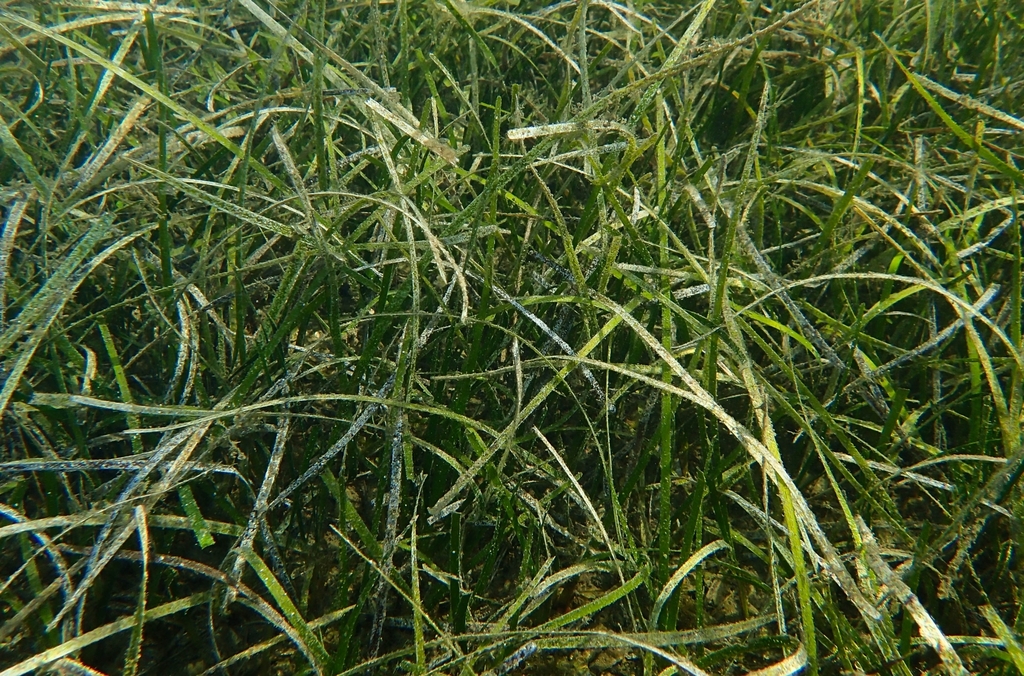
Cymodocea nodosa, commonly known as Cymodocée noueuse or Sea Grass, is a marine flowering plant that forms underwater meadows in shallow coastal waters. It is characterized by its long, narrow, bright green leaves that grow in bundles from a robust rhizome. These meadows are vital for the marine ecosystem, providing habitat and food for various species, and are a natural spectacle of great beauty underwater.
Native range
Mediterranean Sea and Northeast Atlantic, from southern Portugal to Senegal, including the Canary Islands.
Care tips
As a marine plant, Cymodocea nodosa is not suitable for home cultivation in aquariums without a highly specialized and controlled marine environment. It requires clean, well-oxygenated saltwater, adequate underwater lighting to simulate filtered sunlight, and a sandy or muddy substrate where its rhizome can root. The most common mistake would be to attempt to grow it outside its natural habitat, as it is a strictly marine species with very specific environmental needs.
How to save a dying Mediterranean tapeweed
- Warning signs
- Pale, yellowish, or whitish leaves, lacking rigidity, or excessive epiphytes.
- First aid
- Check water salinity and nutrients. Ensure good light and sandy substrate. Gently remove epiphytes.
- What kills it
- Abrupt changes in salinity or temperature, lack of light or nutrients, or unsuitable substrate and low current.
- Can it be saved?
- Yes, if conditions are corrected quickly. It's sensitive but resilient to recovery with proper care.