Maltese fungus (Cynomorium coccineum)
Care, watering, light and tips for Maltese fungus on Floravia.
Quick facts
- Family: Cynomoriaceae
- Difficulty: Demanding
- Watering: every 7 days
- Light: Partial shade
- Temperature: 10–30 °C
About Maltese fungus
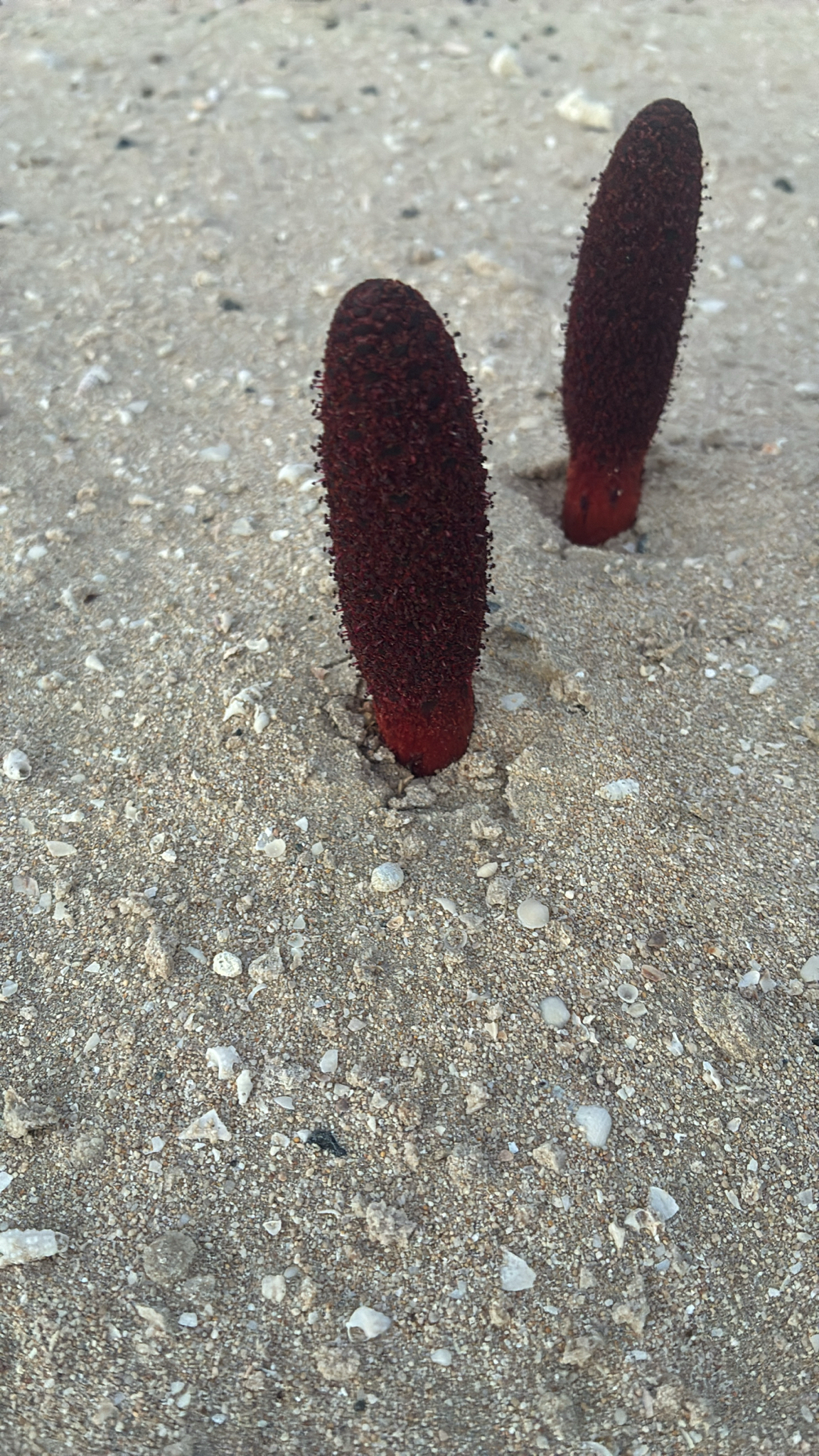
Cynomorium coccineum, also known as 'Maltese Mushroom' or 'Maltese Fungus', is a non-photosynthetic parasitic plant resembling a fungus or coral, with an intense red to crimson color. It thrives in arid, saline environments, emerging from the soil as a cylindrical mass. Due to its parasitic nature and unusual appearance, it is more of a botanical curiosity than a typical ornamental houseplant, best suited for specialized collections or scientific study.
Native range
Mediterranean region, including Southern Europe, North Africa, and the Middle East.
Care tips
Cynomorium coccineum is an obligate parasitic plant that cannot be cultivated independently; it relies entirely on the roots of its host plants, typically from the Cistaceae family. Therefore, its 'care' focuses on ensuring the health of the host plant in an arid, well-drained environment. It requires no direct watering or light, as it obtains all its nutrients from the host and its visible part does not photosynthesize. The common mistake to avoid is attempting to cultivate it as a standalone plant, as this is impossible.
How to save a dying Maltese fungus
- Warning signs
- General wilting, unusual discoloration, or stem softening. It's a parasite, its health depends on its host's.
- First aid
- Identify and assess the host plant's health. Ensure the host is healthy and in optimal growing conditions.
- What kills it
- Host plant destruction or disease. Rough handling that damages its connection to the host's roots.
- Can it be saved?
- Very difficult, as its life is tied to a specific host. If the host dies, the Maltese fungus will too.