Soapbark tree (Quillaja saponaria)
Care, watering, light and tips for Soapbark tree on Floravia.
Quick facts
- Family: Quillajaceae
- Difficulty: Moderate care
- Watering: every 7 days
- Light: Partial shade
- Temperature: 10–30 °C
- Toxicity: Toxic to pets
About Soapbark tree
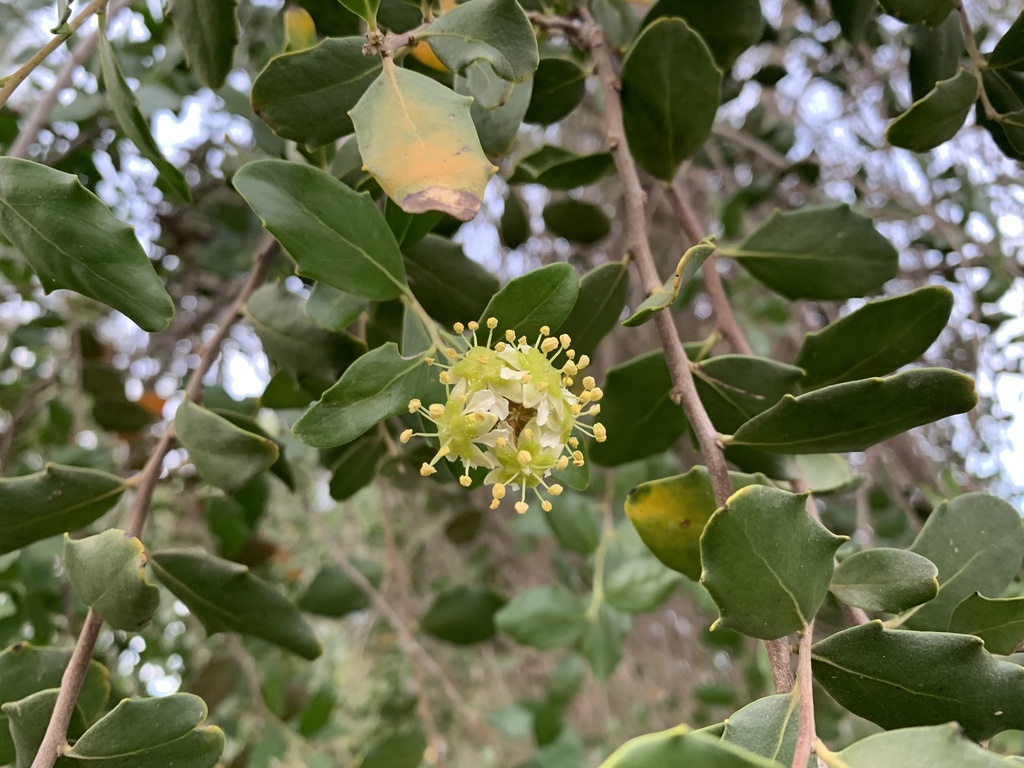
Quillaja saponaria, also known as Quillay, is an evergreen tree native to Chile, valued for its saponin-rich bark. It grows to significant heights, featuring glossy leaves and white flowers in spring, making it ideal as an ornamental or reforestation tree. Its elegant habit and hardiness make it perfect for low-maintenance gardens or as a standalone specimen in large areas.
Native range
Chile and Peru
Care tips
Quillaja saponaria thrives in full sun exposure, although it can tolerate some partial shade. It is drought-tolerant once established, requiring moderate watering; avoid waterlogging, which can be fatal. It adapts to a wide range of soils but prefers well-drained, slightly acidic to neutral types. A common mistake is overwatering, especially in heavy soils.
How to save a dying Soapbark tree
- Warning signs
- Yellowing or browning leaves dropping massively, cracked bark, lack of flowering.
- First aid
- Check drainage and soil moisture. Prune dead branches. Protect from strong winds and frost.
- What kills it
- Overwatering in heavy soils or prolonged drought in summer. Sensitive to late transplanting.
- Can it be saved?
- Yes, if acted upon quickly. Ensure good drainage and proper watering. Well-aerated soil is key.